- Utah legislators may revisit 2025's HB309 requiring licenses for access to 30 wildlife areas.
- Some lawmakers argue the law, which went into effect in May, restricts public land access.
- At least two legislative committees are exploring potential changes ahead of the 2026 legislative session.
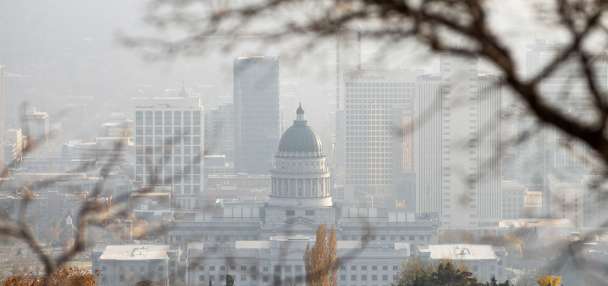
SALT LAKE CITY — State Rep. Nelson Abbott referenced Woody Guthrie's "This Land is Your Land" as he raised concerns with a provision in a bill that he and his colleagues passed earlier this year.
Guthrie promises that this land belongs to everyone, but Abbott, R-Orem, believes HB309 — an omnibus wildlife resources bill that included the addition of a hunting or fishing license requirement to enter most Utah Division of Wildlife Resources lands within the Wasatch Front — has ultimately fallen short of that belief.
"I think we've lost sight of that with (HB309), because these trails have always been open to the public. We've always been able to hike on those, and I think there's a lot of good that comes from that tradition," he said during an interim committee meeting last week.
That's why Abbott is hoping to explore changes to the law in the lead-up to the 2026 legislative session.
Members of the Utah Legislature's Judiciary Interim Committee voted last week to approve his motion to open a bill file to reexamine the bill. It's the second bill file exploring changes to the law, joining one that the Natural Resources, Agriculture and Environment Interim Committee had already initiated in June.
It has turned into a debate over how to best manage public land that's funded differently than most public lands.
What is HB309?
HB309 called for several wildlife changes, but one measure ultimately created the biggest uproar after it became law in May.
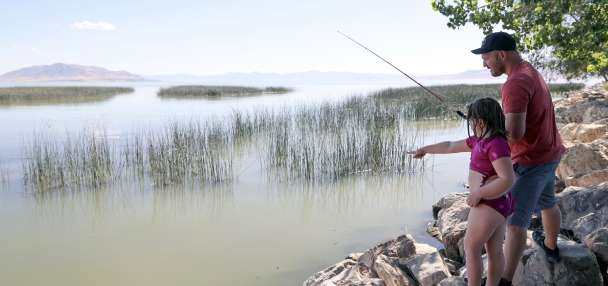
There are a few exemptions, but in most cases, anyone 18 or older entering a wildlife management area within Davis, Salt Lake, Utah and Weber counties must now have a hunting, fishing or combination license. It applies to 30 management areas, including Timpanogos Wildlife Management Area and Farmington Bay Waterfowl Management Area, and a few others that are popular for activities beyond hunting or fishing.
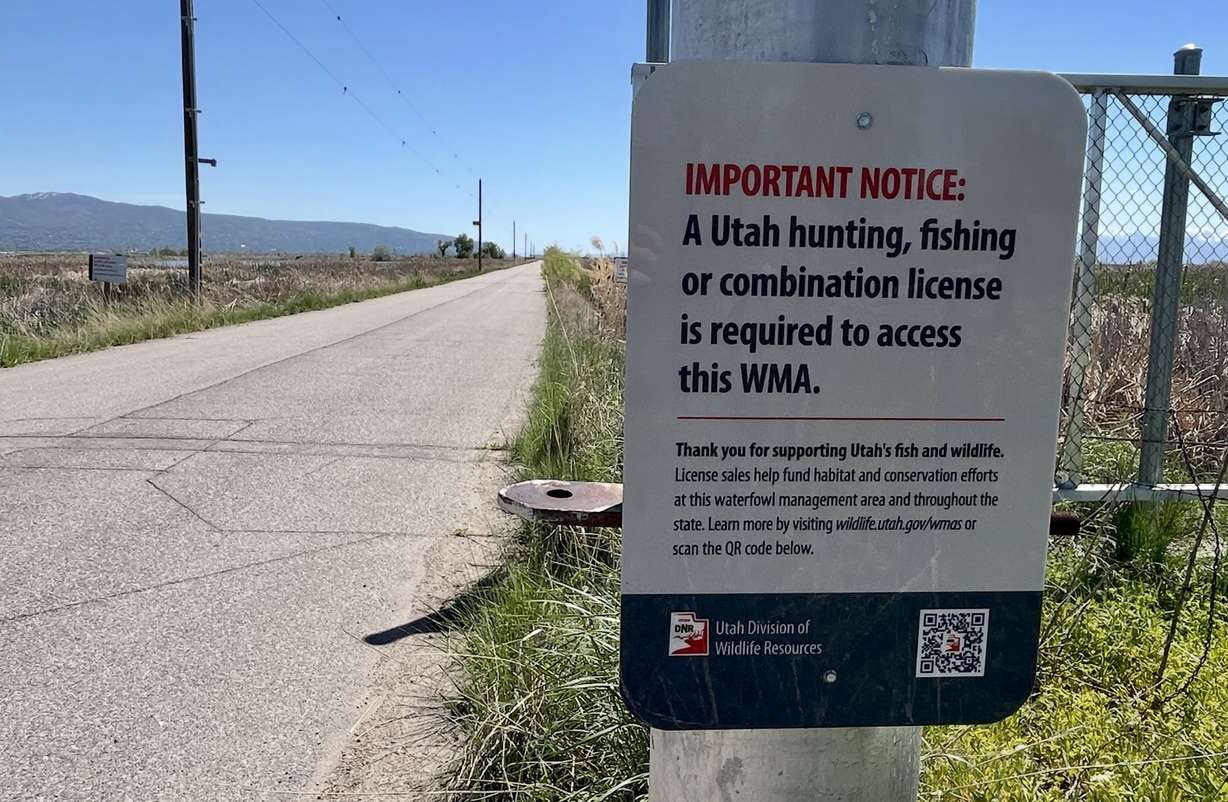
The rule is something the state had explored for years, said House Majority Leader Casey Snider, R-Paradise, who sponsored HB309.
Wildlife management areas are created and maintained through an account funded by money collected through licenses, along with federal funds tied to sales of those licenses. As such, it's a different "pot of money" than taxpayer dollars, Utah Division of Wildlife Resources director Riley Peck told lawmakers in June.
A license costs $40 per year, and this generates an additional $80 from federal funding sources that go toward the program funds. The division allocated $6.5 million for operations and maintenance and $2.5 million for one-time projects, within all 149 management areas totaling close to 600,000 acres statewide over the last fiscal year.
However, Peck said maintenance costs have been "significant," especially in areas closer to larger populations due to use from other outdoor recreation activities.
Utah leaders considered a statewide rule to help with overcrowding, but ultimately narrowed it down to a size that currently applies to just four counties.
Causing a stir
Many Utahns found out about the rule when they were approached by officers from the Utah Department of Natural Resources. That includes Kyle Burgess, of Orem, who was stopped as he passed through the Timpanogos Wildlife Management Area while running along the Bonneville Shoreline Trail in July.
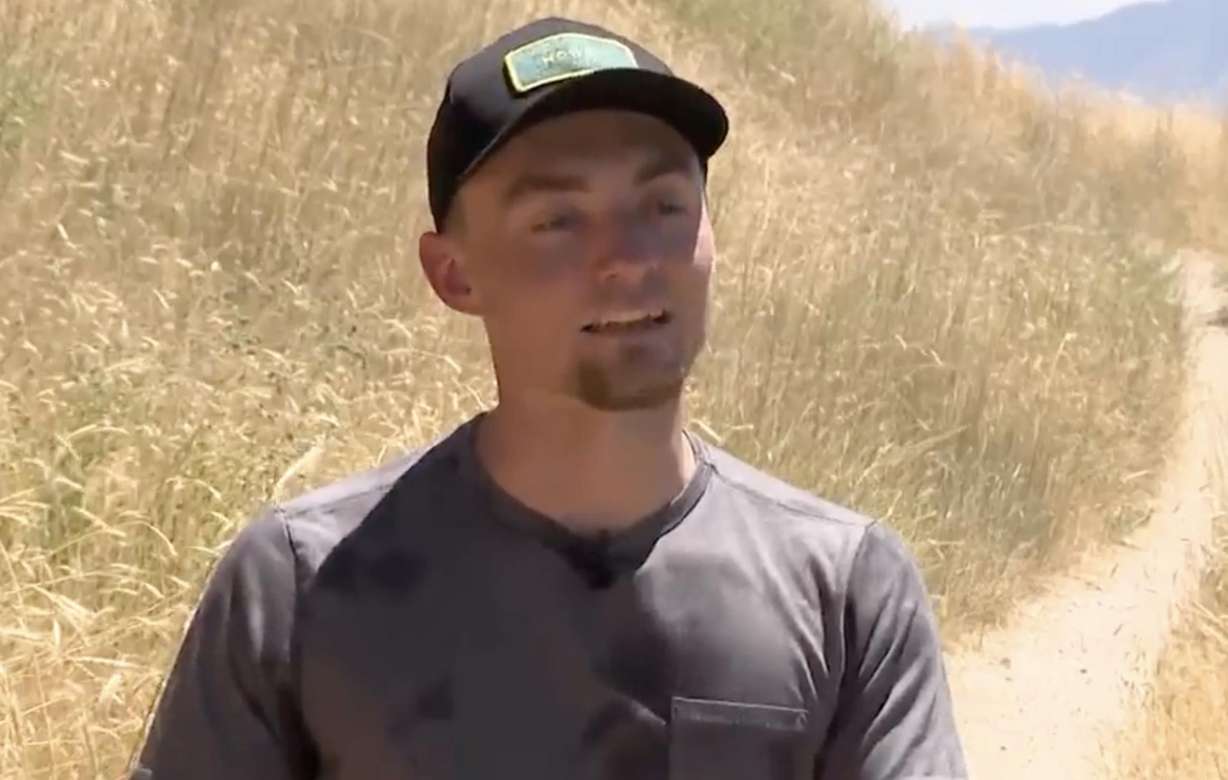
Many others chimed in, leading to a change in the rule soon after that allowed people to cross through the management area without a license as long as they stick to the Bonneville Shoreline and Great Western trails within it.
Still, it's been a topic of discussion that carried over into the Utah Legislature's interim meetings last week. Abbott said people who don't hunt or fish shouldn't be required to obtain a license just to access the land owned by a state agency, pointing out that licenses are required to hunt and fish because wildlife is considered state property.
"That's really just a tax because they're not taking public property, they're not taking anything to their benefit," he said last week. "I think we need to revisit this issue (and) look at it."
Snider contends that the state's wildlife and waterfowl management areas aren't the same because of how they're funded, but he's also open to future amendments. He agrees there has been "confusion," which contributed to the Legislature's natural resources committee decision to review potential changes in a bill file opened in June.
"I think the discussion may be: Is there a better way to do this? ... There are a lot different aspects at play here," added Sen. Keven Stratton, R-Orem, the committee's co-chair, at the time, noting there's a difficult balance handling outdoor places being loved to death while also making sure public lands are accessable without a license.
Education and enforcement clarifications were some of the changes recommended at the time the Natural Resources, Agriculture and Environment Interim Committee opened its bill file.
What will the law look like next?
It's still too early to know what types of changes will be made to the law — if any — but it figures to be a major topic of discussion during the 2026 legislative session.
A spokesperson for the Utah Division of Wildlife Resources confirmed that the natural resources committee had reached out to the agency for feedback on potential changes, but they had not heard from anyone from the judiciary committee as of Monday.
Lawmakers reported last week that there has been a "consensus" reached among wildlife groups on the first potential new bill. This led to some debate as to whether to explore additional changes within a different committee.
However, the judiciary committee agreed to move forward because of the large amount of feedback the state has received since May.
"I think the part that is missing here is the public, and I've certainly heard from a lot of constituents on this issue," said Rep. Karianne Lisonbee, R-Syracuse, the committee's co-chair. "If, as a committee, we can open up a bill file to simply push the conversation in a way that allows public input, I think that would be helpful."