'%3e%3cpath%20d='M34.1406%205.85938C30.3906%202.10547%2025.3047%200%2020%200C14.6953%200%209.60938%202.10547%205.85938%205.85938C2.10938%209.61328%200%2014.6953%200%2020C0%2025.3047%202.10547%2030.3906%205.85938%2034.1406C9.61328%2037.8906%2014.6953%2040%2020%2040C25.3047%2040%2030.3906%2037.8945%2034.1406%2034.1406C37.8906%2030.3906%2040%2025.3047%2040%2020C40%2014.6953%2037.8945%209.60938%2034.1406%205.85938ZM37.0117%2023.543H31.1602V13.5391H27.6328V19.9414C28.1211%2020.6914%2028.3711%2021.582%2028.3711%2022.5625V22.625C28.3711%2023.668%2028.1172%2024.6055%2027.6328%2025.4297V26.6094H36.082C33.4883%2032.9375%2027.2891%2037.3789%2020.0039%2037.3789C10.3711%2037.3789%202.62109%2029.6289%202.62109%2020C2.62109%2010.3711%2010.3711%202.62109%2020%202.62109C29.6289%202.62109%2037.3789%2010.3711%2037.3789%2020C37.3789%2021.1484%2037.2617%2022.2656%2037.0508%2023.3477C37.0391%2023.4141%2037.0234%2023.4766%2037.0117%2023.543Z'%20fill='white'/%3e%3cpath%20d='M22.3086%2018.5352C20.4336%2018.125%2019.9531%2017.8398%2019.9766%2017.1836V17.1406C19.9766%2016.6992%2020.3477%2016.2148%2021.4023%2016.2148C22.582%2016.2148%2023.8867%2016.6797%2025.0781%2017.4766L26.8516%2015.0195C25.4453%2013.8906%2023.707%2013.3398%2021.5547%2013.3398C18.5195%2013.3398%2016.4375%2015%2016.4063%2017.4766V17.5352C16.3633%2020.2617%2018.5859%2020.9805%2021.293%2021.6016C23.0391%2021.9766%2023.5703%2022.3164%2023.5703%2022.9609L23.5469%2022.9766C23.5469%2023.3906%2023.2578%2023.7031%2022.7852%2023.8359C22.5742%2023.9062%2022.1289%2023.9727%2021.5156%2023.9727C20.7617%2023.9727%2019.7539%2023.8633%2018.6328%2023.4844C18.0898%2023.2891%2017.4727%2023.0039%2016.8047%2022.6133L20.1406%2026.625C20.2813%2026.6602%2021.0977%2026.8516%2021.7734%2026.8516C25.0039%2026.8516%2027.0859%2025.2461%2027.1094%2022.6328V22.5703C27.1602%2020.1133%2025.2148%2019.1719%2022.3086%2018.5352Z'%20fill='white'/%3e%3cpath%20d='M5.24219%2013.5664V26.6133H8.75391V23.7578L10.2969%2021.9531L14.2031%2026.6133H18.3867L12.3555%2019.5195L17.4023%2013.5664H13.4531L8.75391%2019.0586V13.5664H5.24219Z'%20fill='white'/%3e%3c/g%3e%3cdefs%3e%3cclipPath%20id='clip0_97_2430'%3e%3crect%20width='40'%20height='40'%20fill='white'/%3e%3c/clipPath%3e%3c/defs%3e%3c/svg%3e)


- Rebeca Granillo and Pat Ronneburg are key figures in Utah fly-fishing.
- Granillo became Utah's second female fly-fishing guide, pioneering female participation.
- Ronneburg's "Women's Fly-fish Days" and Granillo's club boost female angler numbers.
SALT LAKE CITY — Rebeca Granillo dreamed of being a patrol officer. Growing up in South Salt Lake and later moving to the east bench, she often felt like a "troublemaker." During those years, she noticed the police didn't know how to communicate with her or her friends. Those experiences sparked a desire to become the officer she never had.
While doing a crime-scene internship, Granillo realized reality was not quite as it was depicted on TV. The real smells, real sights and real people took a heavy toll, leading to severe post-traumatic stress disorder.
She soon realized she couldn't move forward with a career in law enforcement. Granillo voiced her concerns to an officer, who suggested a change of scenery. During a lunch break, he took her to a local fly-fishing shop. Though she had never fished, the owner offered her a job on the spot.
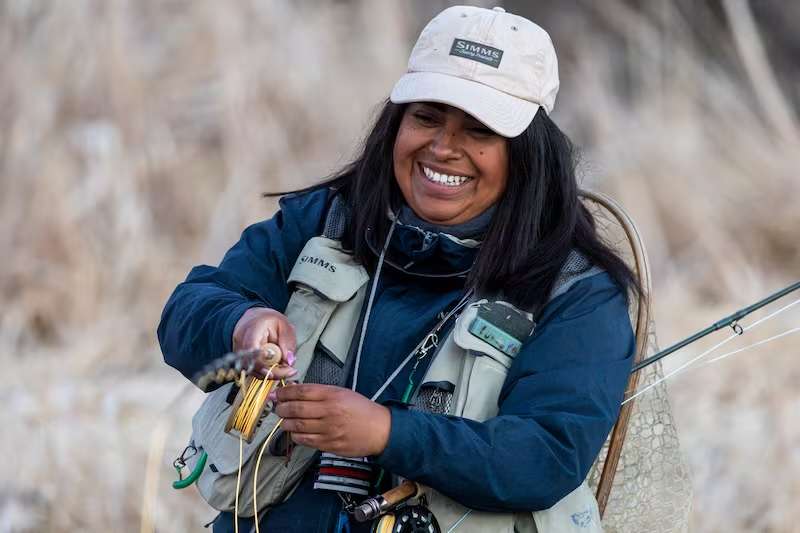
Feeling a need for something "fresh and new" to combat her PTSD, she took the job in 2011 and "never looked back."
"For me, it was an accident. I think most things that we fall in love with are accidents," Granillo said.
That "accident" would change her life and career forever.
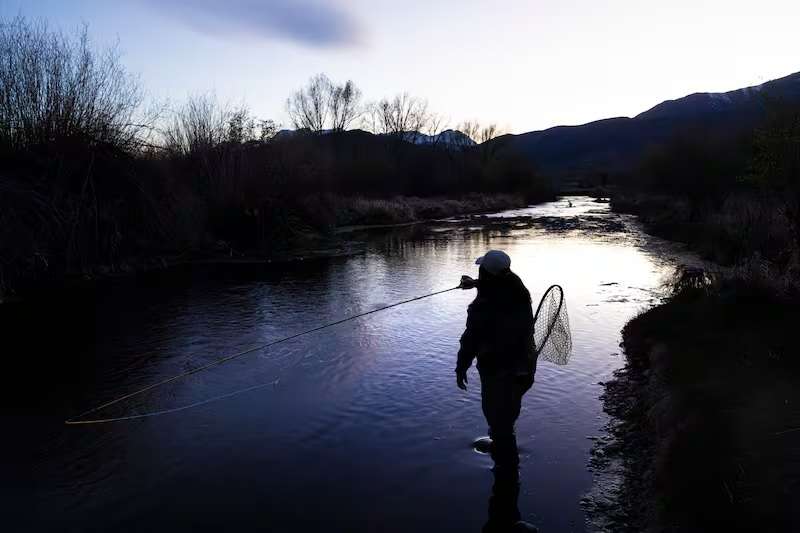
Eventually, Granillo would become the second female fly-fishing guide in Utah, following pioneer Andrea Jeffery; it's a roster that continues to grow.
The rise of the female fly-fisher
In the years since, Granillo has seen a "huge" shift in the sport's demographics — a shift she helped pioneer, but she wasn't alone.
Pat Ronneburg, a Utah Fly Fisherman Hall of Fame inductee, has been out on the water for as long as she could remember.
As a young girl, Ronneburg rarely caught a fish, but that wasn't why she was out.
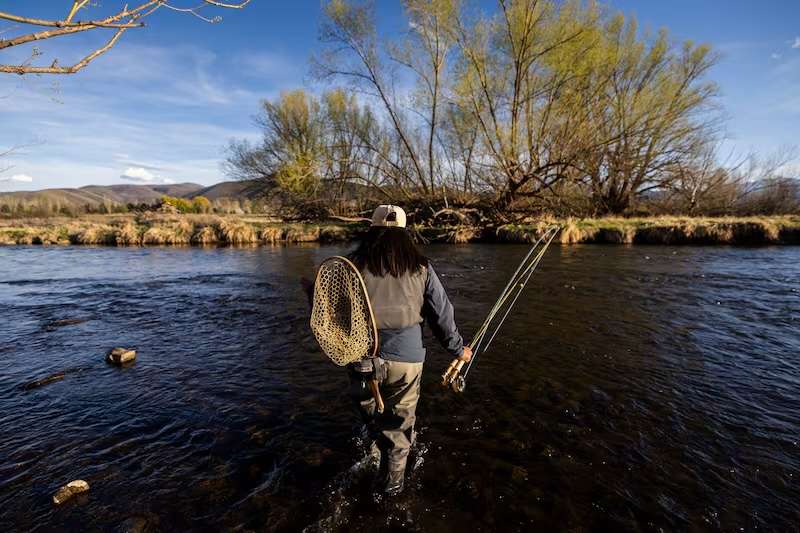
"That didn't matter," Ronneburg shared with the Deseret News. She was there for the wildlife, the flowers and the simple act of being outside.
As life went on, Ronneburg drifted away from the water but reconnected with the sport in Jackson Hole, Wyoming, through her second husband. When that marriage ended, she continued to head to the river alone.
She remembers the "invisible" feeling of walking into fly shops back then, where employees assumed she was lost, because not many women fly-fished at the time.
"Most fly shops back then, when I'd walk into them, they'd look at me like I was invisible. They would just look straight through me because they figured I'd gotten in the wrong place because there were not a lot of women who fly fished," Ronneburg said.
After a move to Utah in 2008, Ronneburg began attending High Country Fly Fishers meetings in Park City. She noticed that the few women in the room were there with significant others. "But there was nobody who fished by herself," she recalled.
One member, Bill, teased her about this, but eventually nudged her. "'Why don't you start a program that's fishing for women?'" she recalled him joking. "'You need somebody to fish with and none of us will fish with you.'"
What was said in jest sparked an idea.
"I thought, 'I am absolutely going to start something like that.' So I did," Ronneburg said.
She launched "Women's Fly-fish Days," and began leading beginners' clinics and organizing outings.
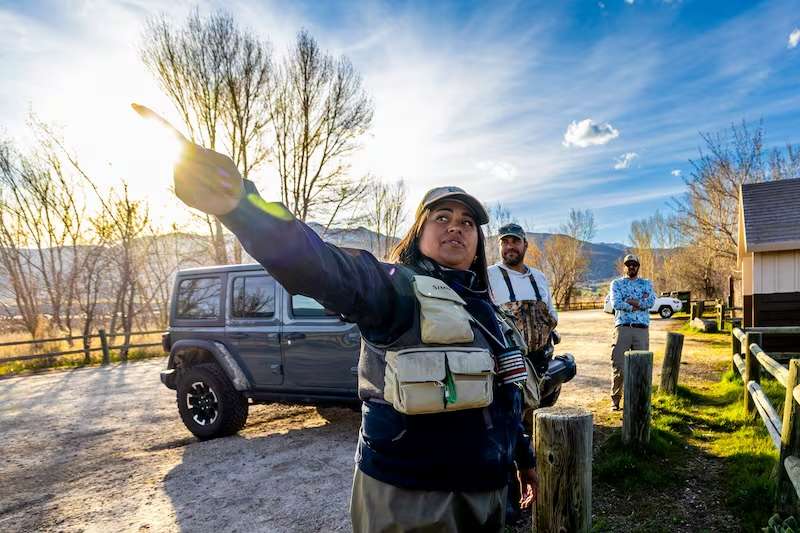
Through the community, she met Granillo, who would later found Wasatch Women's Fly Fishing Club.
Granillo's club had a slow start. "A lot of the times at the events, it would just be me, no one else would show up, it'd just be me," she laughed. "I was still happy because I was going fishing either way. So I was not losing." Years later, the club has seen a surge in participation as the sport grows among female anglers. According to a 2023 report from Fly Fishing Outfitters, women now make up roughly 31% of the 6.5 million anglers nationwide.
'Soul work' and conservation
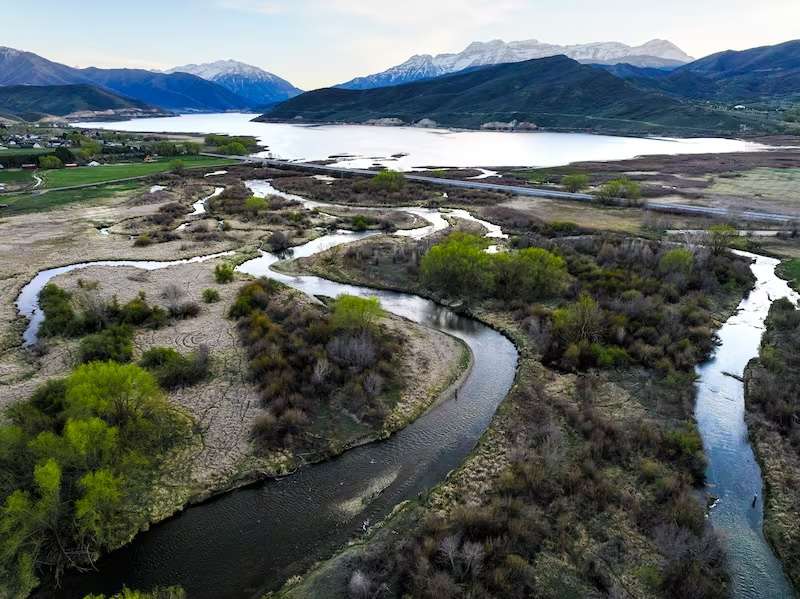
For these women, fly-fishing is about more than the catch; it's about conservation. Jayne Guyse, vice president of High Country Fly Fishers, sees the sport as a natural bridge to environmental advocacy.
"It's all about giving back, giving back to something you love," Guyse said.
This year, the group is partnering with the Utah Division of Wildlife Resources to rehabilitate Soapstone Creek after the Yellow Lake fire, planting willows and building beaver dam analogs.
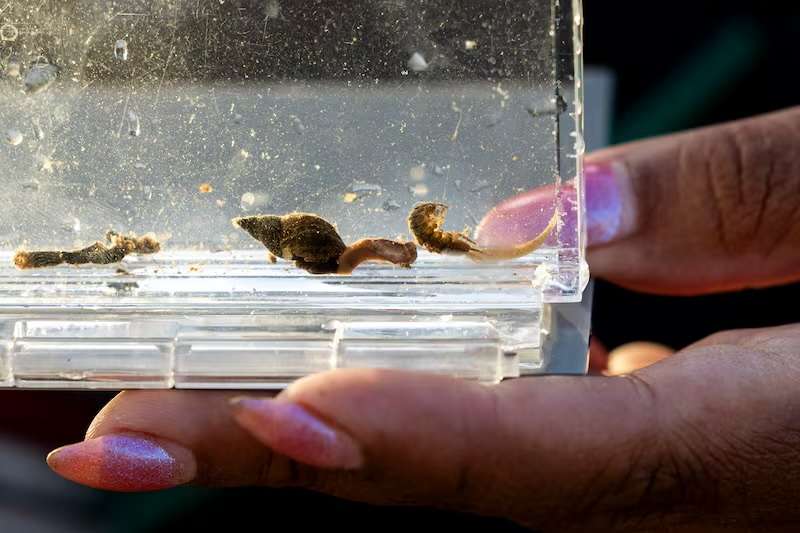
Ronneburg calls this her "soul work" — giving back and volunteering in the community. Now, after retirement, she is an "octopus with a hundred arms," involved in everything from education and conservation club fish days. The sport and being outside bring her a sense of security.
"I feel safer when I'm out in the woods alone than I do when I'm in the middle of the city," she said. "That's my happy place is out there."
Learning the art
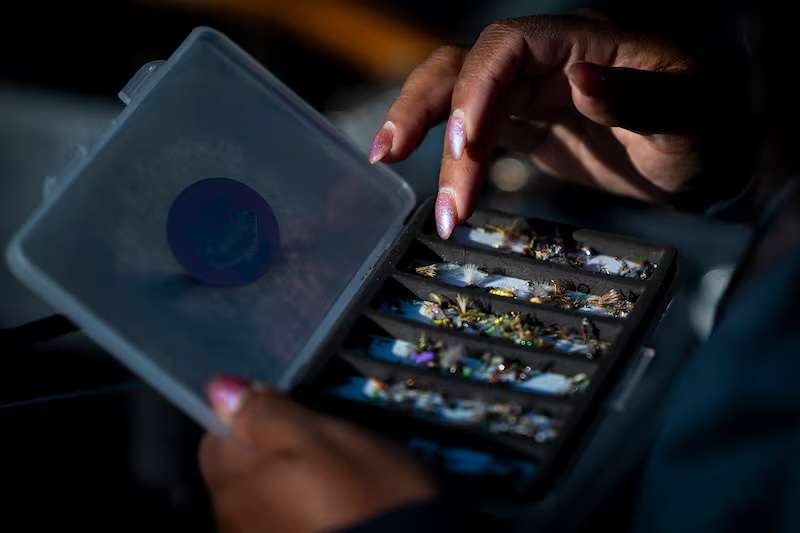
While the terms are often used interchangeably by those who don't know the sport, there is a difference between a fishing guide and a casting instructor.
Audrey Wilson, who competed for Team USA at the 2022 Fly Casting World Championship, explains that a guide focuses on the "hunt" — understanding everything from the entomology to the gear to help a client catch a fish.
Casting instruction, however, is about the art of the movement and reading the conditions of the water.
"I love casting to a level of trying to perfect it for competition; that's not really my goal when I work with people," Wilson said. "It's helping people work through whatever barriers they have in order to help them fish better. So once they can get the line on the water, then all the other things come into play."
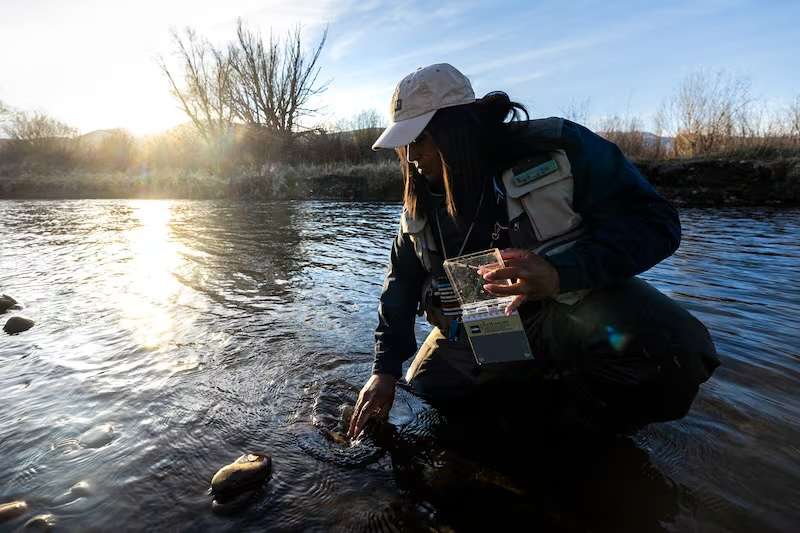
All four women encourage newcomers to dive in by visiting a local fly shop or joining a club.
"The only thing that teaches you to fish is time on the water, and a little friendly advice, if you care to listen to it," Ronneburg said.
"I've learned that the best way to grow in just about any hobby or sport is to definitely surround yourself with others that know how to do it," Granillo said.