- Beef prices have reached record highs, nearly doubling since the 1980s.
- Factors include reduced cattle supply, increased demand, drought and pandemic effects.
- Economist David Anderson cites a 'perfect storm' of supply-demand issues for the spike.
FILLMORE — The week starts for Aaron Rees on Sunday afternoons. That is when customers drop off beef at his packaging facility in Fillmore, Utah. He doesn't refer to the cows that are delivered as "cows," for the most part, or "cattle" much either.
As someone who has been in the business his whole life, Rees calls cows what they are to the public. They're beef.
Rees and the small team of folks he and his wife, Dana, employ — it's a family affair, with a few part-timers and a lone full-time person — spend all day Monday slaughtering what came in over the weekend. This past week, it was nine beef.
Tuesday to Friday is for cutting, or what he calls butchering, the eight to 15 cattle that he takes in weekly. Rees cut nine last week, too.
Once they're finished with the cattle, he then heads over to a separate game cooler and butchers whatever hunters dropped off.
"It's not for weenies, that's hard work," Rees said. "By the end of the day, if you've killed beef all day, you know you've done something."
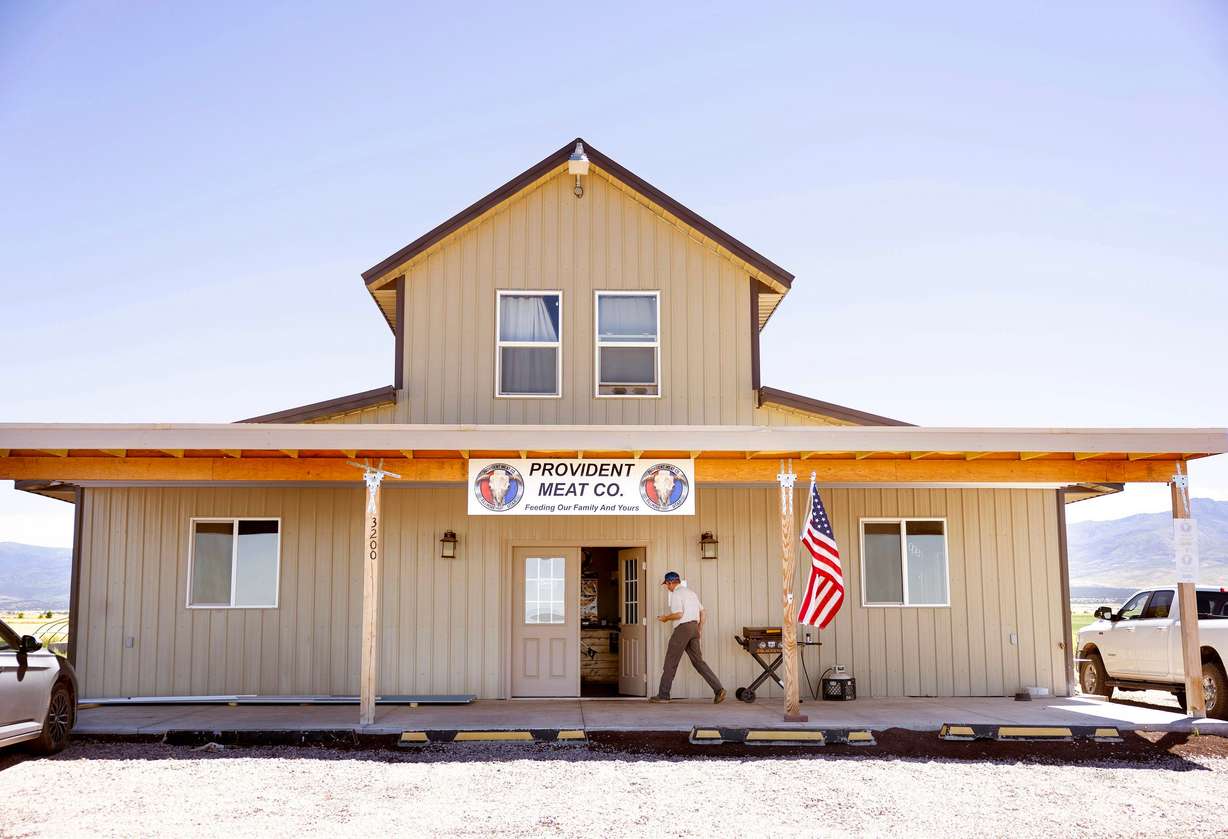
He and his wife own and operate Provident Meat Company, a slaughterhouse and packaging plant that also has a small retail operation out front. It's 145 miles south of Salt Lake City, just a six-minute drive west of I-15, so folks who know can pass through and pick up steaks on their travels.
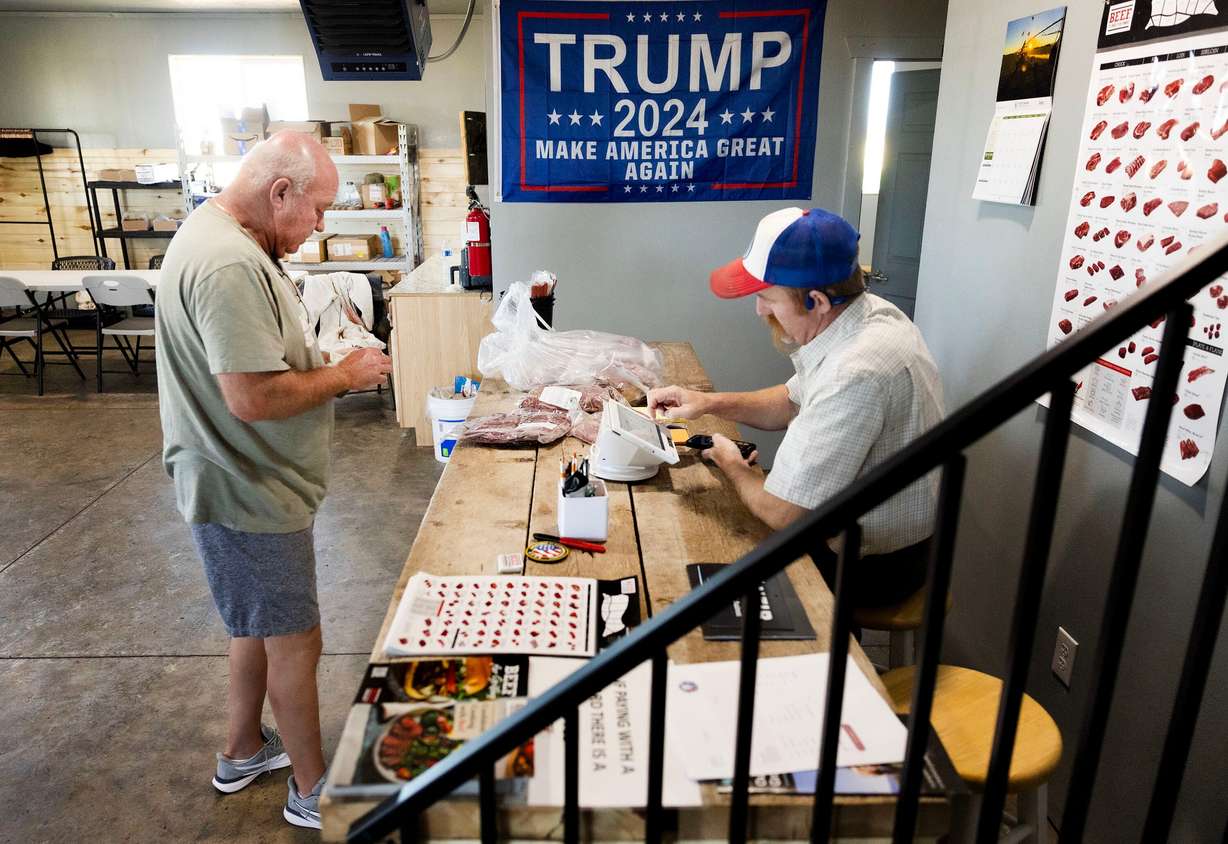
The shop's open six days a week from 9 a.m. to 5 p.m., with a slight reprieve on Saturday when it closes at noon. A day later, everything starts all over again.
Though it's more than a full-time job for the Rees family and small packers like them, the operation is done on a scale that hardly registers within the supply chain of the greater American beef industry, which is almost too massive to fathom.
Provident's facility is 4,400 square feet — about double the size of the average American home — and processes less than 20 head a week. There are some facilities capable of processing 5,000 head a day. Those plants are well over half a million square feet with values running upwards of a billion dollars.
Of course, that doesn't mean that Rees and his family are insulated from the larger, prevailing pressures of the industry. Nor are they without exposure to steep fluctuations in consumer beef pricing.
As of June, all uncooked beef prices are the highest they've been since the data was first tracked, beginning in the 1980s. They are nearly double what they were 10 years ago.
According to the Bureau of Labor Statistics' most recent Consumer Price Index, ground beef's price has gone up about a dollar per pound since last year, now costing over $6. That's a nearly 12% increase year-over-year. For all other cuts, the price went up 8% to $11.49 per pound.
As all food items have only gone up a collective 2.7% in the last year, according to the report, beef prices stand out. Some headlines referred to beef as "the new eggs."
(President Donald Trump has questioned information from the Bureau of Labor Statistics, and last week fired its commissioner after the most recent jobs report was published, claiming without evidence that she manipulated the data.)
"Our ribeyes went from $17 to $20 a pound, so that was a one-week price change on that," Rees said. "So when somebody walks in and all of a sudden that ribeye, instead of $35, is whatever the number is, they're like, 'well, maybe I'll buy hamburger or something cheaper.'"
For small businesses like the Rees', which juggle massive expenses and tight margins, that cumulative loss of revenue has an impact.
But for those familiar with the business and its dizzyingly large range of implicating factors, the increase is just another in a much longer story. One that is more akin to a saga, due to the scale of the forces — man-made and natural — that constantly force alterations and adjustments to the beef cattle industry.
"Obviously, in the last CPI report, we saw that spike in beef prices," said David Anderson, a livestock economist at Texas A&M University. "But we've been setting new records in beef prices using the CPI data for several years now."
What these numbers reflect today, Anderson said, is part of a trend that goes back a long time. Trade plays a part, so Trump's tariffs do affect prices. But mostly it's a wide variety of things that include lower supplies due to smaller herds, sustained increases in overall demand, long-term and significant drought and, still, some shocks from the pandemic.
"I think God's got a plan and we're fitting in it or not," Rees said. "There's just a lot of factors affecting ranches and farms right now."
Supply and demand
A USDA spokesperson wrote in a statement to Deseret News that the current prices are "the perfect storm" resulting from a combination of sustained demand and prolonged decrease in cattle supply.
Anderson takes that assessment and zooms in to explain the most recent CPI data.
The results are an indication of beef prices at the end of the spring, specifically. The timing coincides with the period when stores prepare for Memorial Day and the high demands of the summer.
"Everybody likes a hamburger and a steak and we've got grilling season kicking off," Anderson said. "So we have this confluence of tighter supplies with good seasonal demand and that drives prices higher."
The demand is not really seasonal, however. Rees referenced the wide variety of social media accounts or YouTube channels available to teach people how to make a brisket.
"In five minutes, you can find 20 different videos," Rees said. Some with millions of followers.