'%3e%3cpath%20d='M34.1406%205.85938C30.3906%202.10547%2025.3047%200%2020%200C14.6953%200%209.60938%202.10547%205.85938%205.85938C2.10938%209.61328%200%2014.6953%200%2020C0%2025.3047%202.10547%2030.3906%205.85938%2034.1406C9.61328%2037.8906%2014.6953%2040%2020%2040C25.3047%2040%2030.3906%2037.8945%2034.1406%2034.1406C37.8906%2030.3906%2040%2025.3047%2040%2020C40%2014.6953%2037.8945%209.60938%2034.1406%205.85938ZM37.0117%2023.543H31.1602V13.5391H27.6328V19.9414C28.1211%2020.6914%2028.3711%2021.582%2028.3711%2022.5625V22.625C28.3711%2023.668%2028.1172%2024.6055%2027.6328%2025.4297V26.6094H36.082C33.4883%2032.9375%2027.2891%2037.3789%2020.0039%2037.3789C10.3711%2037.3789%202.62109%2029.6289%202.62109%2020C2.62109%2010.3711%2010.3711%202.62109%2020%202.62109C29.6289%202.62109%2037.3789%2010.3711%2037.3789%2020C37.3789%2021.1484%2037.2617%2022.2656%2037.0508%2023.3477C37.0391%2023.4141%2037.0234%2023.4766%2037.0117%2023.543Z'%20fill='white'/%3e%3cpath%20d='M22.3086%2018.5352C20.4336%2018.125%2019.9531%2017.8398%2019.9766%2017.1836V17.1406C19.9766%2016.6992%2020.3477%2016.2148%2021.4023%2016.2148C22.582%2016.2148%2023.8867%2016.6797%2025.0781%2017.4766L26.8516%2015.0195C25.4453%2013.8906%2023.707%2013.3398%2021.5547%2013.3398C18.5195%2013.3398%2016.4375%2015%2016.4063%2017.4766V17.5352C16.3633%2020.2617%2018.5859%2020.9805%2021.293%2021.6016C23.0391%2021.9766%2023.5703%2022.3164%2023.5703%2022.9609L23.5469%2022.9766C23.5469%2023.3906%2023.2578%2023.7031%2022.7852%2023.8359C22.5742%2023.9062%2022.1289%2023.9727%2021.5156%2023.9727C20.7617%2023.9727%2019.7539%2023.8633%2018.6328%2023.4844C18.0898%2023.2891%2017.4727%2023.0039%2016.8047%2022.6133L20.1406%2026.625C20.2813%2026.6602%2021.0977%2026.8516%2021.7734%2026.8516C25.0039%2026.8516%2027.0859%2025.2461%2027.1094%2022.6328V22.5703C27.1602%2020.1133%2025.2148%2019.1719%2022.3086%2018.5352Z'%20fill='white'/%3e%3cpath%20d='M5.24219%2013.5664V26.6133H8.75391V23.7578L10.2969%2021.9531L14.2031%2026.6133H18.3867L12.3555%2019.5195L17.4023%2013.5664H13.4531L8.75391%2019.0586V13.5664H5.24219Z'%20fill='white'/%3e%3c/g%3e%3cdefs%3e%3cclipPath%20id='clip0_97_2430'%3e%3crect%20width='40'%20height='40'%20fill='white'/%3e%3c/clipPath%3e%3c/defs%3e%3c/svg%3e)


Estimated read time: 3-4 minutes
This archived news story is available only for your personal, non-commercial use. Information in the story may be outdated or superseded by additional information. Reading or replaying the story in its archived form does not constitute a republication of the story.
ST. GEORGE — Utah wildlife officials say they've noticed a slowly growing problem.
They've noticed an uptick in tortoise-related thefts.
Officials from the Utah Division of Wildlife Resources say they have encountered nine tortoise-related cases this year. Seven have happened in Washington County by the native range for the Mojave desert tortoise, while two happened in central Utah. A majority of the cases happened this summer.
Much like other wildlife in the state, it is illegal to remove desert tortoises from the wild. That's also backed by federal statute. The Mojave desert tortoise is considered threatened under the Endangered Species Act.
"Removing tortoises from the wild can harm wild populations by reducing their ability to reproduce and sustain themselves on the landscape," Ann McLuckie, a DWR biologist, said in a statement Thursday. "Tortoises that are removed from the wild cannot be released back into the wild due to a risk of introducing diseases, especially if they've been kept in a home with other animals. They are susceptible to a density-dependent disease called upper respiratory tract disease, which presents like pneumonia."
Kane and Washington counties are considered two of the most northeast native ranges for the Mojave desert tortoise, according to the U.S. Fish & Wildlife Service. It's also predominantly found in Arizona, California and Nevada in the United States. The San Diego Zoo Wildlife Alliance says there have been "major declines" in tortoise populations over the past few decades.
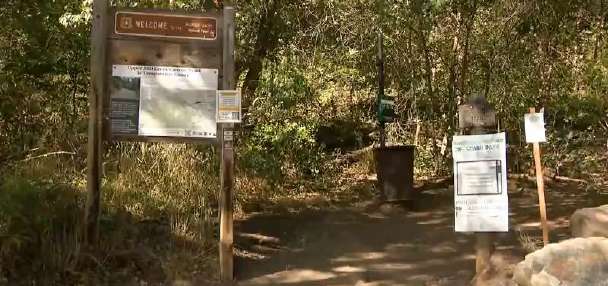
The Red Cliffs Desert Reserve was established in Washington County 25 years ago to help preserve some of this native habitat. Another almost 53 acres were added to the reserve earlier this year, making it about 62,000 acres in size. However, fires have threatened the area in recent years.
It's still estimated there are about 2,000 adult tortoises within the range.
But it's not just thefts that are causing a problem. Utah conservation officers say they've also run into issues with people bringing tortoises with them into the state illegally.
"Unfortunately, it is fairly common that we have to seize tortoises either brought into the state illegally or that are illegally removed from the wild," said DWR Lt. Paul Washburn.
Utah residents are allowed to own desert tortoises but only with the proper certifications. Even tortoise owners who legally own tortoises in other states must be approved by state wildlife officials to bring their pet with them when they move to the Beehive State, according to the division. The tortoises in the recent cases — both from illegal theft and illegal transportation into the state — were seized and put into the state's tortoise adoption program.
And when it comes to seeing these creatures in the wild, McLuckie says look but don't touch — and certainly don't take.
"If you see a desert tortoise when you are hiking, watch it from a distance and leave it alone so other people can enjoy it as well," she said.
"Tortoises are cute, but they can live for decades, may outgrow their artificial habitats and can dig themselves out of — or simply escape — most backyards. Please let them stay wild and don't add to the decline of their population."