'%3e%3cpath%20d='M34.1406%205.85938C30.3906%202.10547%2025.3047%200%2020%200C14.6953%200%209.60938%202.10547%205.85938%205.85938C2.10938%209.61328%200%2014.6953%200%2020C0%2025.3047%202.10547%2030.3906%205.85938%2034.1406C9.61328%2037.8906%2014.6953%2040%2020%2040C25.3047%2040%2030.3906%2037.8945%2034.1406%2034.1406C37.8906%2030.3906%2040%2025.3047%2040%2020C40%2014.6953%2037.8945%209.60938%2034.1406%205.85938ZM37.0117%2023.543H31.1602V13.5391H27.6328V19.9414C28.1211%2020.6914%2028.3711%2021.582%2028.3711%2022.5625V22.625C28.3711%2023.668%2028.1172%2024.6055%2027.6328%2025.4297V26.6094H36.082C33.4883%2032.9375%2027.2891%2037.3789%2020.0039%2037.3789C10.3711%2037.3789%202.62109%2029.6289%202.62109%2020C2.62109%2010.3711%2010.3711%202.62109%2020%202.62109C29.6289%202.62109%2037.3789%2010.3711%2037.3789%2020C37.3789%2021.1484%2037.2617%2022.2656%2037.0508%2023.3477C37.0391%2023.4141%2037.0234%2023.4766%2037.0117%2023.543Z'%20fill='white'/%3e%3cpath%20d='M22.3086%2018.5352C20.4336%2018.125%2019.9531%2017.8398%2019.9766%2017.1836V17.1406C19.9766%2016.6992%2020.3477%2016.2148%2021.4023%2016.2148C22.582%2016.2148%2023.8867%2016.6797%2025.0781%2017.4766L26.8516%2015.0195C25.4453%2013.8906%2023.707%2013.3398%2021.5547%2013.3398C18.5195%2013.3398%2016.4375%2015%2016.4063%2017.4766V17.5352C16.3633%2020.2617%2018.5859%2020.9805%2021.293%2021.6016C23.0391%2021.9766%2023.5703%2022.3164%2023.5703%2022.9609L23.5469%2022.9766C23.5469%2023.3906%2023.2578%2023.7031%2022.7852%2023.8359C22.5742%2023.9062%2022.1289%2023.9727%2021.5156%2023.9727C20.7617%2023.9727%2019.7539%2023.8633%2018.6328%2023.4844C18.0898%2023.2891%2017.4727%2023.0039%2016.8047%2022.6133L20.1406%2026.625C20.2813%2026.6602%2021.0977%2026.8516%2021.7734%2026.8516C25.0039%2026.8516%2027.0859%2025.2461%2027.1094%2022.6328V22.5703C27.1602%2020.1133%2025.2148%2019.1719%2022.3086%2018.5352Z'%20fill='white'/%3e%3cpath%20d='M5.24219%2013.5664V26.6133H8.75391V23.7578L10.2969%2021.9531L14.2031%2026.6133H18.3867L12.3555%2019.5195L17.4023%2013.5664H13.4531L8.75391%2019.0586V13.5664H5.24219Z'%20fill='white'/%3e%3c/g%3e%3cdefs%3e%3cclipPath%20id='clip0_97_2430'%3e%3crect%20width='40'%20height='40'%20fill='white'/%3e%3c/clipPath%3e%3c/defs%3e%3c/svg%3e)


- The Tenth Circuit Court revived a case challenging presidential monument designations.
- The court ruled that presidential discretion under the Antiquities Act isn't unlimited.
- Utah's AG hailed the decision as a check on presidential power.
SALT LAKE CITY — The U.S. Court of Appeals for the Tenth Circuit reversed a lower court ruling on monument designations by reviving a thrown-out case against the federal government on Tuesday.
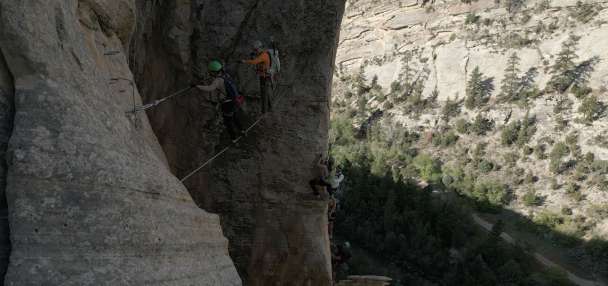
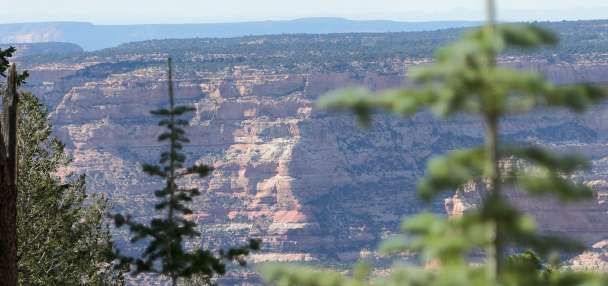
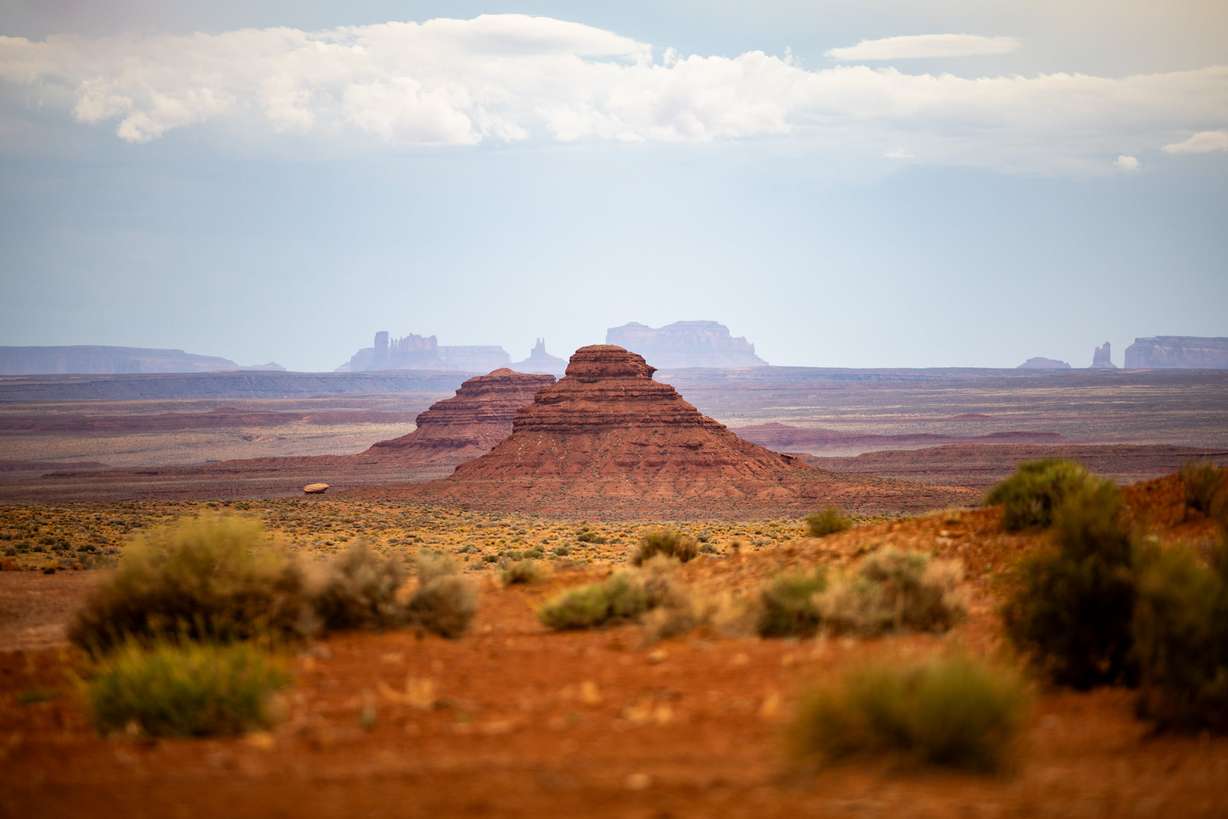
The case centers around the president's power under the Antiquities Act to designate "cultural and natural resources of historic or scientific interest on federal lands." In 2021, former President Joe Biden expanded Utah's Grand Staircase-Escalante and Bears Ears National Monuments.
President Bill Clinton created the Grand Staircase-Escalante National Monument in 1996, and President Barack Obama created the Bears Ears National Monument in 2016.
The law states that "all cases shall be confined to the smallest area compatible," but Biden "set aside 3.23 million acres in total around both monuments," per Tuesday's filing.
In 2017, President Donald Trump lowered the dedicated land to 1.11 million acres.
Utah, Garfield County, Kane County, several individuals, and advocacy groups sued the federal government, but their cases were dismissed, and the federal court ultimately ruled, in part, that the parties could not challenge Biden's decision under "sovereign immunity."
The 10th Circuit disagreed with that ruling.
"We conclude that the district court erred in dismissing plaintiffs' claims," Judge Joel Carson said in the majority opinion. "The district court based its determinations on a flawed view of sovereign immunity's ultra vires exception, and we must correct those errors."
The majority opinion did not rule Biden's monument expansion illegal, but repeatedly emphasized that a president's discretion under the Act is not unlimited and that the courts may determine whether a president has stayed within Congress's statutory limits.
Utah Attorney General Derek Brown said Tuesday's ruling was a "win for Utah." He agreed that it's the court's authority to keep presidential power in check and said Utah would continue to fight the case.
"For years, the federal government has insisted that a president's monument proclamation is unlimited and can't be reviewed. That once a president acts, the courthouse door closes," he said.
"The Tenth Circuit has rejected that argument, and agreed with our argument that federal courts do have the authority — and even the responsibility — to check these designations against the limits Congress deliberately wrote into the statute over 120 years ago," he continued. "A statute that says 'smallest' cannot mean limitless."
In his dissent from the majority, Judge Richard Federico said he agreed that the lower court's dismissal was "wrong to afford total immunity and absolute deference to the executive. However, I also conclude that the majority's opinion and remand swings too far in the opposite direction."
The Southern Utah Wilderness Alliance, a conservation nonprofit that previously defended the federal government's actions under Biden, said in a statement on Tuesday that Biden acted within his powers.
"Today's decision confirms a key point that the lower court previously got wrong: Federal courts can hear challenges to a president's use of the Antiquities Act to establish or diminish a national monument," Steve Bloch, legal director at the Southern Utah Wilderness Alliance, said. "His (Biden's) executive orders establishing the monuments protected irreplaceable cultural, biological and geological resources found nowhere else in the world. For over 100 years, no court has ever overturned a President's use of this authority, and we fully expect President Biden's actions will be upheld and these National Monuments will remain protected."

Most recent Outdoors stories
Related topics
 Emma Pitts