'%3e%3cpath%20d='M34.1406%205.85938C30.3906%202.10547%2025.3047%200%2020%200C14.6953%200%209.60938%202.10547%205.85938%205.85938C2.10938%209.61328%200%2014.6953%200%2020C0%2025.3047%202.10547%2030.3906%205.85938%2034.1406C9.61328%2037.8906%2014.6953%2040%2020%2040C25.3047%2040%2030.3906%2037.8945%2034.1406%2034.1406C37.8906%2030.3906%2040%2025.3047%2040%2020C40%2014.6953%2037.8945%209.60938%2034.1406%205.85938ZM37.0117%2023.543H31.1602V13.5391H27.6328V19.9414C28.1211%2020.6914%2028.3711%2021.582%2028.3711%2022.5625V22.625C28.3711%2023.668%2028.1172%2024.6055%2027.6328%2025.4297V26.6094H36.082C33.4883%2032.9375%2027.2891%2037.3789%2020.0039%2037.3789C10.3711%2037.3789%202.62109%2029.6289%202.62109%2020C2.62109%2010.3711%2010.3711%202.62109%2020%202.62109C29.6289%202.62109%2037.3789%2010.3711%2037.3789%2020C37.3789%2021.1484%2037.2617%2022.2656%2037.0508%2023.3477C37.0391%2023.4141%2037.0234%2023.4766%2037.0117%2023.543Z'%20fill='white'/%3e%3cpath%20d='M22.3086%2018.5352C20.4336%2018.125%2019.9531%2017.8398%2019.9766%2017.1836V17.1406C19.9766%2016.6992%2020.3477%2016.2148%2021.4023%2016.2148C22.582%2016.2148%2023.8867%2016.6797%2025.0781%2017.4766L26.8516%2015.0195C25.4453%2013.8906%2023.707%2013.3398%2021.5547%2013.3398C18.5195%2013.3398%2016.4375%2015%2016.4063%2017.4766V17.5352C16.3633%2020.2617%2018.5859%2020.9805%2021.293%2021.6016C23.0391%2021.9766%2023.5703%2022.3164%2023.5703%2022.9609L23.5469%2022.9766C23.5469%2023.3906%2023.2578%2023.7031%2022.7852%2023.8359C22.5742%2023.9062%2022.1289%2023.9727%2021.5156%2023.9727C20.7617%2023.9727%2019.7539%2023.8633%2018.6328%2023.4844C18.0898%2023.2891%2017.4727%2023.0039%2016.8047%2022.6133L20.1406%2026.625C20.2813%2026.6602%2021.0977%2026.8516%2021.7734%2026.8516C25.0039%2026.8516%2027.0859%2025.2461%2027.1094%2022.6328V22.5703C27.1602%2020.1133%2025.2148%2019.1719%2022.3086%2018.5352Z'%20fill='white'/%3e%3cpath%20d='M5.24219%2013.5664V26.6133H8.75391V23.7578L10.2969%2021.9531L14.2031%2026.6133H18.3867L12.3555%2019.5195L17.4023%2013.5664H13.4531L8.75391%2019.0586V13.5664H5.24219Z'%20fill='white'/%3e%3c/g%3e%3cdefs%3e%3cclipPath%20id='clip0_97_2430'%3e%3crect%20width='40'%20height='40'%20fill='white'/%3e%3c/clipPath%3e%3c/defs%3e%3c/svg%3e)



- Retired radiologist Dr. Brett Parkinson underwent robotic surgery for prostate cancer.
- Parkinson chose robotic surgery over radiation due to its minimally invasive nature.
- He encourages men over 50 to get screened for prostate cancer regularly.
SALT LAKE CITY — For decades, Dr. Brett Parkinson was the one caring for patients.
"As a diagnostic radiologist, I had always been on the other end of the needle," he said. "And to tell you the truth, I was scared."
Parkinson served as the medical director of breast imaging at Intermountain Healthcare.
But after an abnormal prostate-specific antigen blood test in September and a biopsy the following month, he learned he had prostate cancer.
"I had no symptoms at all," he said.
Parkinson decided to undergo robotic-assisted surgery to remove the cancer.
"I needed to do something, and I chose the robotic surgery over radiation for a variety of reasons," he said.
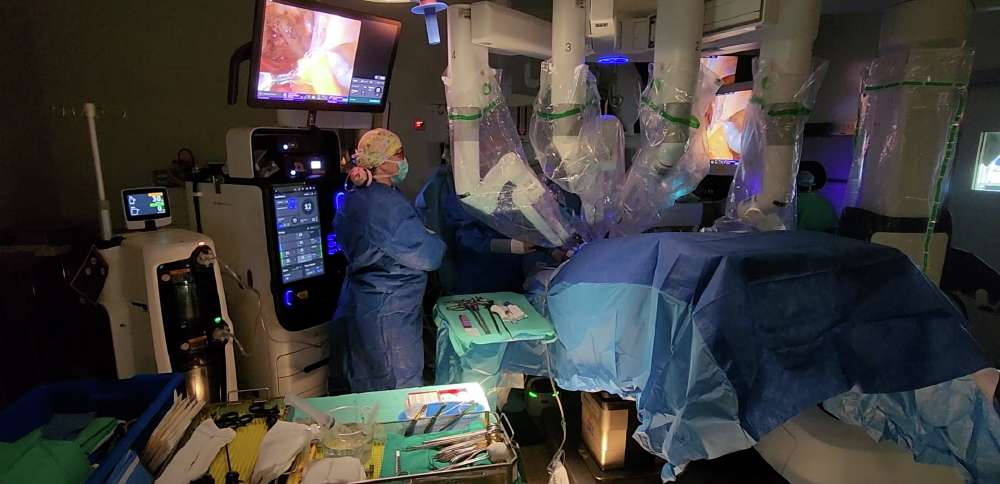
Dr. Richard Matern, a urologist with Intermountain Healthcare, performed Parkinson's surgery. He said robotic-assisted surgery has changed how many prostate cancer patients are treated.
"Initially, these patients were treated predominantly with open surgery. And over the years, it's progressed to where probably 95-plus percent of patients are treated with robotic surgery," Matern said. "It's become an essential tool to take care of these patients in a minimally invasive fashion."
Matern explained that during the procedure, surgeons make small incisions in the abdomen and insert laparoscopic ports. The robotic system is then connected, allowing the surgeon to use specialized instruments and a camera inside the patient to perform the procedure.
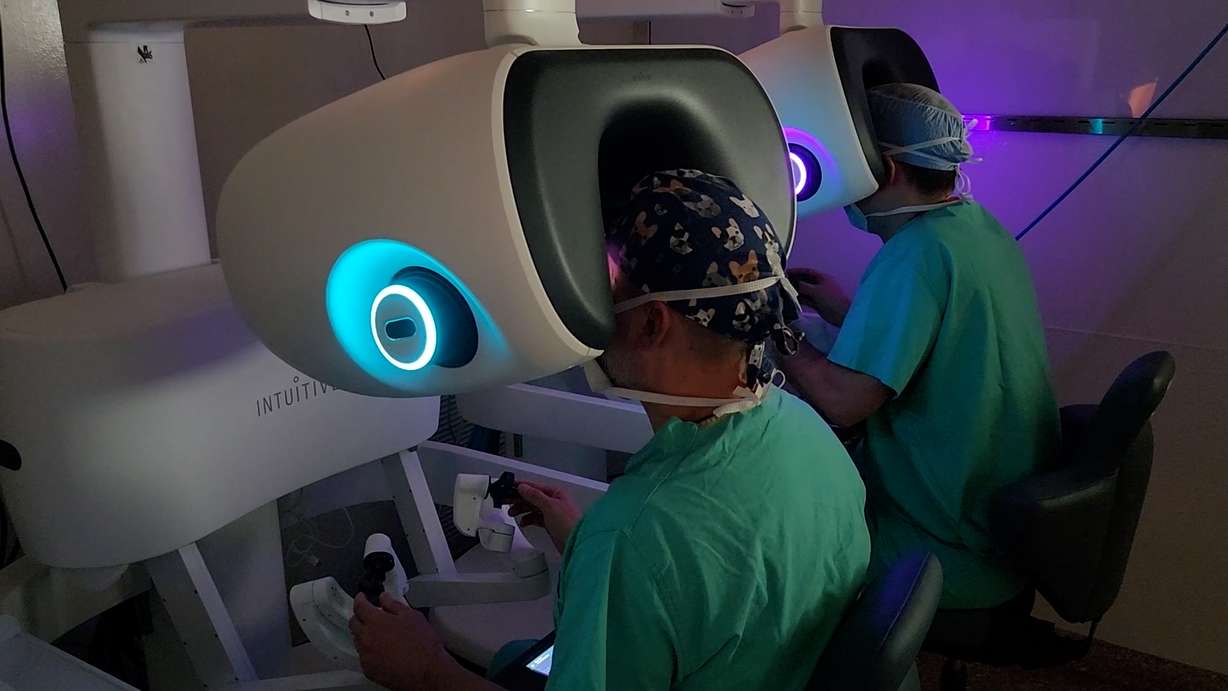
"It's really improved the outcomes for patients," Matern said. "There's less blood loss, there's less pain, there's shorter hospitalization stays (and) there's quicker return to normal activities."
"It's fascinating how it works," Parkinson said. "When I think of this technology, I'm blown away by it, because when I graduated from medical school and when I finished my residency, there was no such thing as robotic surgery."
Parkinson's surgery lasted a few hours, and he was able to go home the same day.
He spent about a week with a urinary catheter during recovery, which he said was the most challenging part of the process.
"The recovery is pretty good," he said. "Because they do it robotically, you don't have a big incision."
He has since returned to the activities he enjoys, including riding his bike.
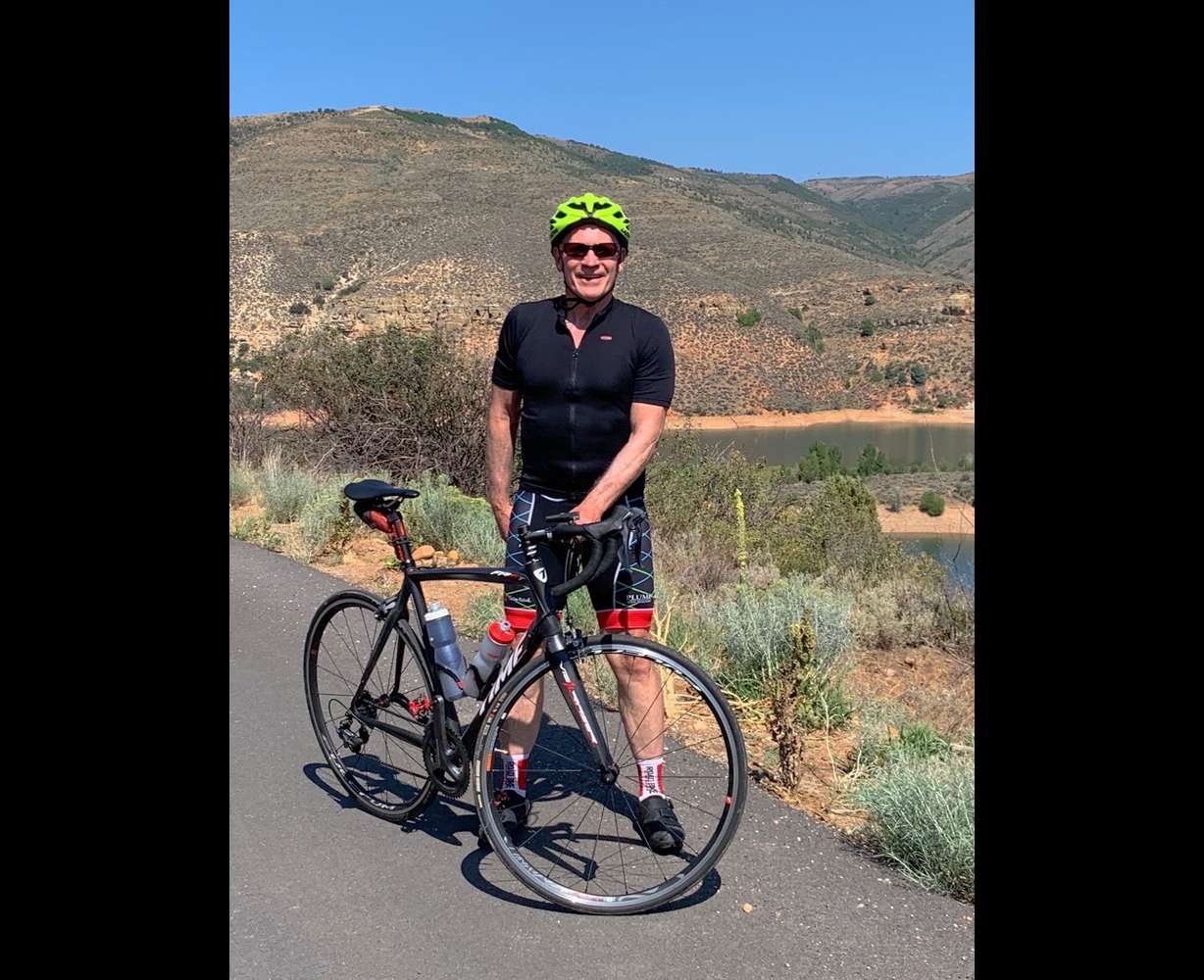
Parkinson hopes his experience encourages other men to take their health seriously.
"I think that men over 50 should be screened ... you don't want to be negligent with your own health," he said.
Prostate cancer screening recommendations can vary depending on a person's age, risk factors and medical history, and men should talk with their healthcare provider about what is right for them.