'%3e%3cpath%20d='M34.1406%205.85938C30.3906%202.10547%2025.3047%200%2020%200C14.6953%200%209.60938%202.10547%205.85938%205.85938C2.10938%209.61328%200%2014.6953%200%2020C0%2025.3047%202.10547%2030.3906%205.85938%2034.1406C9.61328%2037.8906%2014.6953%2040%2020%2040C25.3047%2040%2030.3906%2037.8945%2034.1406%2034.1406C37.8906%2030.3906%2040%2025.3047%2040%2020C40%2014.6953%2037.8945%209.60938%2034.1406%205.85938ZM37.0117%2023.543H31.1602V13.5391H27.6328V19.9414C28.1211%2020.6914%2028.3711%2021.582%2028.3711%2022.5625V22.625C28.3711%2023.668%2028.1172%2024.6055%2027.6328%2025.4297V26.6094H36.082C33.4883%2032.9375%2027.2891%2037.3789%2020.0039%2037.3789C10.3711%2037.3789%202.62109%2029.6289%202.62109%2020C2.62109%2010.3711%2010.3711%202.62109%2020%202.62109C29.6289%202.62109%2037.3789%2010.3711%2037.3789%2020C37.3789%2021.1484%2037.2617%2022.2656%2037.0508%2023.3477C37.0391%2023.4141%2037.0234%2023.4766%2037.0117%2023.543Z'%20fill='white'/%3e%3cpath%20d='M22.3086%2018.5352C20.4336%2018.125%2019.9531%2017.8398%2019.9766%2017.1836V17.1406C19.9766%2016.6992%2020.3477%2016.2148%2021.4023%2016.2148C22.582%2016.2148%2023.8867%2016.6797%2025.0781%2017.4766L26.8516%2015.0195C25.4453%2013.8906%2023.707%2013.3398%2021.5547%2013.3398C18.5195%2013.3398%2016.4375%2015%2016.4063%2017.4766V17.5352C16.3633%2020.2617%2018.5859%2020.9805%2021.293%2021.6016C23.0391%2021.9766%2023.5703%2022.3164%2023.5703%2022.9609L23.5469%2022.9766C23.5469%2023.3906%2023.2578%2023.7031%2022.7852%2023.8359C22.5742%2023.9062%2022.1289%2023.9727%2021.5156%2023.9727C20.7617%2023.9727%2019.7539%2023.8633%2018.6328%2023.4844C18.0898%2023.2891%2017.4727%2023.0039%2016.8047%2022.6133L20.1406%2026.625C20.2813%2026.6602%2021.0977%2026.8516%2021.7734%2026.8516C25.0039%2026.8516%2027.0859%2025.2461%2027.1094%2022.6328V22.5703C27.1602%2020.1133%2025.2148%2019.1719%2022.3086%2018.5352Z'%20fill='white'/%3e%3cpath%20d='M5.24219%2013.5664V26.6133H8.75391V23.7578L10.2969%2021.9531L14.2031%2026.6133H18.3867L12.3555%2019.5195L17.4023%2013.5664H13.4531L8.75391%2019.0586V13.5664H5.24219Z'%20fill='white'/%3e%3c/g%3e%3cdefs%3e%3cclipPath%20id='clip0_97_2430'%3e%3crect%20width='40'%20height='40'%20fill='white'/%3e%3c/clipPath%3e%3c/defs%3e%3c/svg%3e)


- Utah's national parks saw steady visitation in 2025, with Zion leading at over 4.9 million.
- Glen Canyon's visits dropped by 1 million, possibly due to declining water levels at Lake Powell.
- Factors like economic uncertainty and government shutdowns influenced visitation trends last year.
SALT LAKE CITY — Visitation to Utah's "Mighty 5" slid somewhat in 2025, but not to the extent of other National Park Service-managed parks in the state.
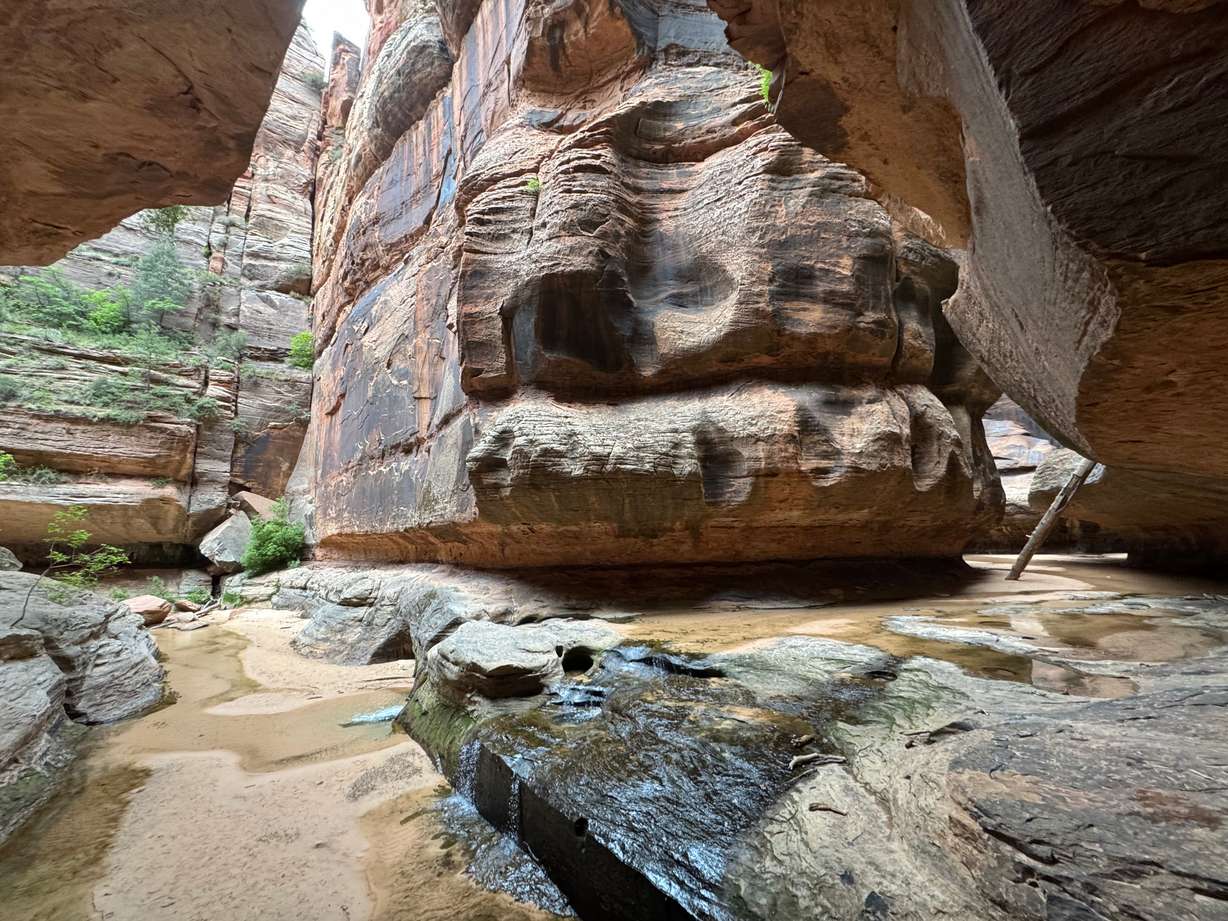
A little more than 11 million visits were recorded across Arches, Bryce Canyon, Canyonlands, Capitol Reef and Zion national parks last year, according to preliminary visitation data analyzed by KSL. That represents less than a 1% decrease from the previous year.
Zion National Park led the way with over 4.9 million visits, falling about 15,000 visits shy of 5 million for just the second time in its history. It appears to have remained the most visited national park in the West and the second most visited overall, behind Great Smoky Mountains National Park's 11.5 million visits.
It and Arches reported slight visitation increases in 2025, while Bryce Canyon, Canyonlands and Capitol Reef all reported slight decreases.
Utah's national historical parks, monuments and recreation areas that the agency manages added close to another 4.9 million visits last year, although a few months of data at Cedar Breaks National Monuments remain unavailable. The final number will be significantly lower than 2024 either way because visitation at Glen Canyon National Recreation Area, home to Lake Powell, dropped by nearly 1 million from 2024 to 2025, per Park Service data.
Inside the trends
The data doesn't explain changes in visitation, but several factors could have contributed in park visitation levels last year. The entire travel and tourism industry has had to navigate "considerable challenges amid economic uncertainty," as well as changing consumer preferences and "global geopolitical friction," said Natalie Randall, managing director of the Utah Office of Tourism and Film, in a statement to KSL.
For instance, Canadian travel — a major driver in Utah tourism — lagged across at least the first half of 2025 amid tariff disputes between the U.S. and Canada. Nationwide consumer sentiment also tumbled last year, indicating many Americans had economic concerns.
How Utah responded to last year's government shutdown may have helped ease the impacts of another challenge, though.
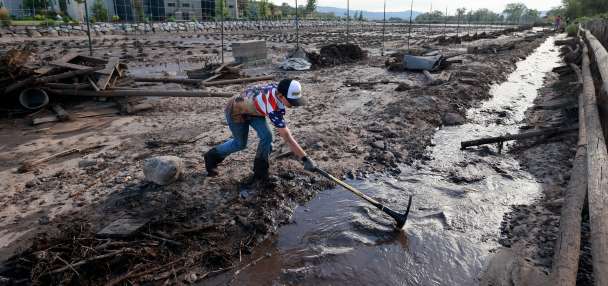
Visitation in the state's five national parks may have remained mostly the same from 2024 to 2025 because there weren't as significant impacts to its parks as others during last year's government shutdown. The state stepped in and kept operations going, while parks in other states either closed or weren't able to track who was coming in.
Yosemite National Park in California reported a massive drop in visitation beginning in October, when the shutdown began, which appears to be the top reason for its 16% year-over-year decline.
"We united as an industry through the government shutdown, ensuring the visitor experience was maintained, parks were preserved and communities that rely on visitation were supported," Randall said.
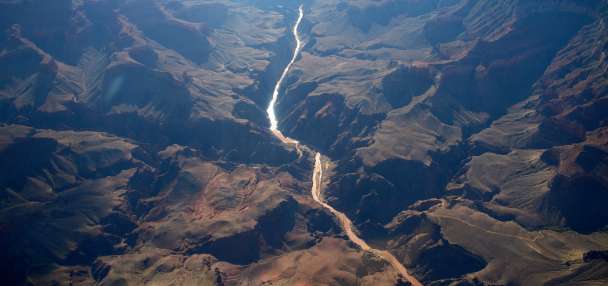
The Beehive State also avoided the natural disasters that plagued neighboring parks, such as the Grand Canyon. Visitation at the Arizona park dropped by 10%, possibly because its North Rim was closed for months due to a massive wildfire that destroyed several of its iconic structures.
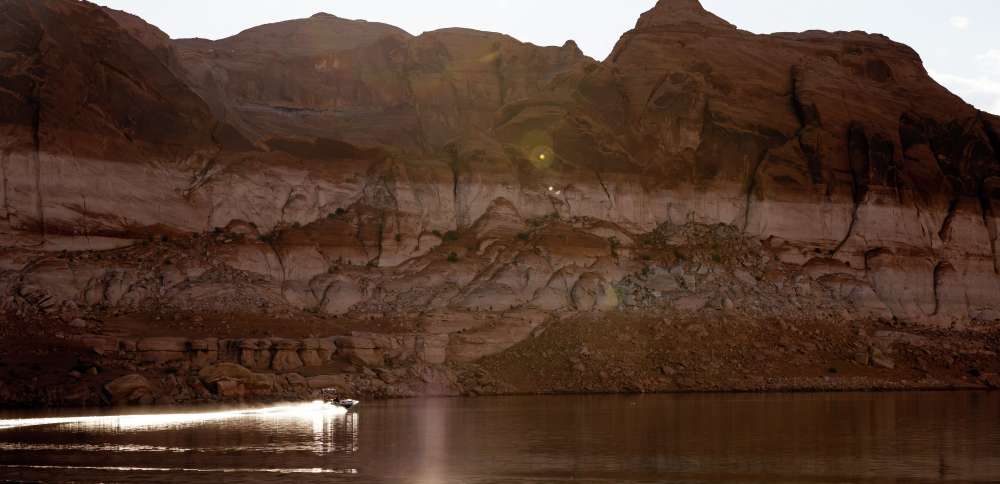
However, declining water levels may have factored into Glen Canyon National Recreation Area's visitation woes.
The park notably received a surge in visits after Utah's record snowpack helped raise Lake Powell levels and open more ramps in 2023. Its 5.2 million visits that year even climbed past Zion to make it the state's most-visited park for the first time.
Visitation has noticeably declined since then, though, like the water levels in the nation's second-largest reservoir. Total visits fell to 4.7 million in 2024 and 3.7 million in 2025.
What's expected in 2026?
That's where it may run into trouble again this year. Lake Powell remains just 27% full, not far above its low levels a few years ago. Federal hydrologists noted that it may not increase much this year unless there's a significant snowfall after a sluggish start across the Colorado River's Upper Basin.
The National Park Service raised entry fees for international tourists for 2026, though it's unclear whether that will factor into travel trends this year, too.
But some things could boost interest in Utah's national parks in 2026, such as the U.S.'s 250th birthday. The country's national parks are a key piece of "America 250" celebrations, which may generate more interest in the country's outdoor gems.
"Travelers are looking for unique, immersive travel experiences that lend to a deeper connection with nature and local culture. International visitors are integral to our economy, and we have ensured Utah remains top-of-mind for travelers around the world," Randall said. "Looking to 2026, we have numerous reasons to be optimistic about travel in Utah."