- Utah may gain a new state park at Mantua Reservoir in 2026, funded by collected fees.
- Gov. Spencer Cox's 2027 budget includes $5M for a trail outlining Salt Lake City history.
- An additional $5M is requested for Great Salt Lake water leasing to address lake issues.
SALT LAKE CITY — Utah will consider adding a new state park in 2026, adding to a popular system that generated close to 13 million visits last year.
Gov. Spencer Cox unveiled his proposed 2027 fiscal year budget on Wednesday, which includes recommendations to fund all sorts of outdoor recreation-related items, such as $2 million to designate and build out Mantua State Park in Box Elder County.
"Demand for Utah's outdoor recreation is growing. The state is working to meet this need by establishing a new state park and improved amenities at Mantua Reservoir," his team wrote in the budget request.
Funding for the new state park is a little different from most of the items in his proposed $30.7 billion budget, though. The Utah Division of State Parks operates its budget from the collection of fees, and it has been raising money for the new state park "for some time," said Sophia DiCaro, executive director of the Office of Planning and Budget.
This request, she explains, is essentially recommending that the Utah Legislature authorize the spending of the money it's collected. The Utah Legislature would also have to designate the reservoir as a state park, which could take place during the 2026 legislative session.
"The money is there. It's just putting it in motion," she said.
Reservoir-based state parks are always among Utah's top outdoor draws. Sand Hollow State Park in Washington County attracted more than 1.5 million visits last year, which was more than Arches, Capitol Reef or Canyonlands national parks. Four others were among the 10 most-visited parks in 2024.
Utah currently has 46 state parks, and Mantua could be its first since Lost Creek and Utahraptor state parks were designated in 2021.
A history trail in Salt Lake?
Cox has been vocal about a statewide trail system, but another item in his proposed budget could link up the history found across downtown Salt Lake City. He's requesting $5 million for the creation of a mile-long walking loop called the "Pioneer Trail."
The loop would connect historic sites in Utah's capital city and could include public art, monuments and trail markers as it's crafted. The whole thing is inspired by the Freedom Trail in Boston, members of the Pioneer Trail Foundation told the Capitol Preservation Board in May.
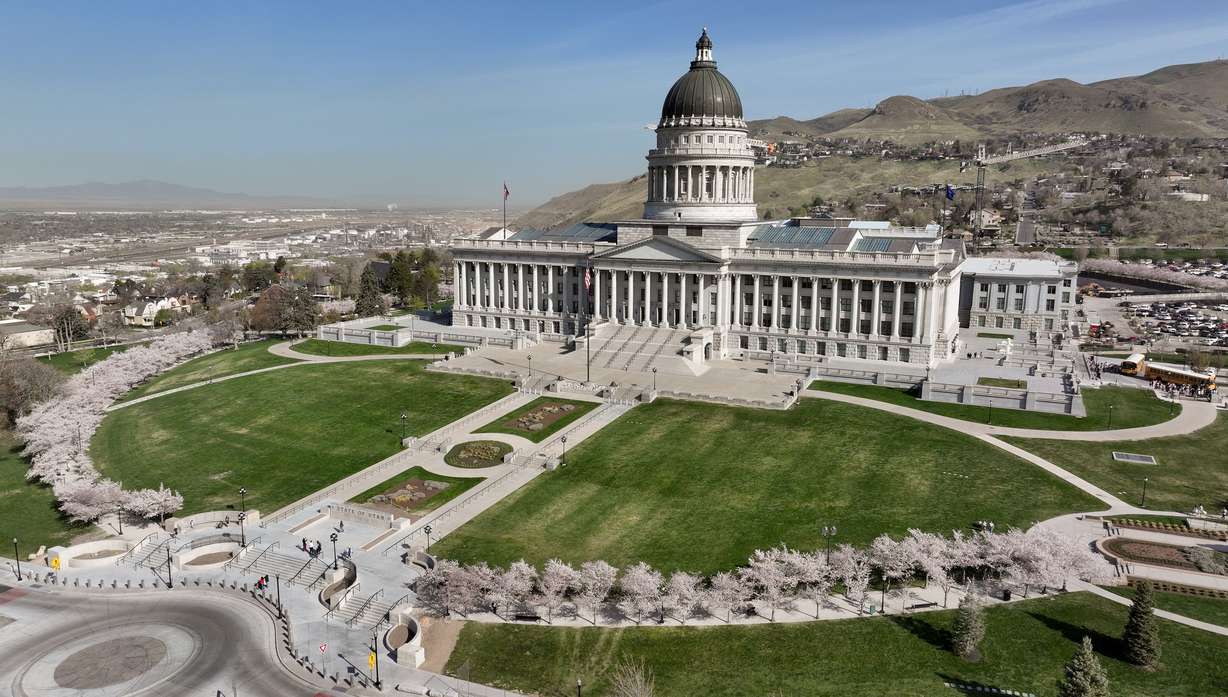
The walking loop would link Temple Square, City Creek Park, Council Hall, the Utah State Capitol and Memory Grove, along with a few other historic sites and "landscaping upgrades and the inclusion of public art."
"The culture and history of Utah are fundamentally inspiring, providing an opportunity to connect with the state's story and values, much like how the Freedom Trail has done for Boston," said Ryan Beck, a representative of the foundation, at the time.
He added that This is the Place Foundation had committed $5 million in "catalytic funding" for the concept, and that Salt Lake City and The Church of Jesus Christ of Latter-day Saints were also supportive of the idea.
Great Salt Lake and other water issues
Meanwhile, Cox is also requesting $5 million in additional funding for leasing water to the Great Salt Lake, after its water levels dropped back into the "serious adverse effects" range of the lake's health this summer. The governor said that the money could help ensure water gets to the lake.
"We are dedicated to saving the Great Salt Lake," he said.
The governor also requested $5 million to go toward extending the demand management pilot program that seeks to improve agricultural water efficiency within the river basin. That may include paying farmers and ranchers not to grow crops, or seeking ways for them to reduce yields or improve technologies if they join the program.
That can be beneficial because Colorado River basin states are preparing for cuts in the water they receive, as they negotiate a new long-term deal on how to split up the river's water, he said. Another $2 million would go toward a program that helps farmers and ranchers "adopt sustainable practices" to preserve water, as well.
Another $6.2 million is requested for dam safety upgrades across the state, as well, which could chip away at the mounting costs expected there.