'%3e%3cpath%20d='M34.1406%205.85938C30.3906%202.10547%2025.3047%200%2020%200C14.6953%200%209.60938%202.10547%205.85938%205.85938C2.10938%209.61328%200%2014.6953%200%2020C0%2025.3047%202.10547%2030.3906%205.85938%2034.1406C9.61328%2037.8906%2014.6953%2040%2020%2040C25.3047%2040%2030.3906%2037.8945%2034.1406%2034.1406C37.8906%2030.3906%2040%2025.3047%2040%2020C40%2014.6953%2037.8945%209.60938%2034.1406%205.85938ZM37.0117%2023.543H31.1602V13.5391H27.6328V19.9414C28.1211%2020.6914%2028.3711%2021.582%2028.3711%2022.5625V22.625C28.3711%2023.668%2028.1172%2024.6055%2027.6328%2025.4297V26.6094H36.082C33.4883%2032.9375%2027.2891%2037.3789%2020.0039%2037.3789C10.3711%2037.3789%202.62109%2029.6289%202.62109%2020C2.62109%2010.3711%2010.3711%202.62109%2020%202.62109C29.6289%202.62109%2037.3789%2010.3711%2037.3789%2020C37.3789%2021.1484%2037.2617%2022.2656%2037.0508%2023.3477C37.0391%2023.4141%2037.0234%2023.4766%2037.0117%2023.543Z'%20fill='white'/%3e%3cpath%20d='M22.3086%2018.5352C20.4336%2018.125%2019.9531%2017.8398%2019.9766%2017.1836V17.1406C19.9766%2016.6992%2020.3477%2016.2148%2021.4023%2016.2148C22.582%2016.2148%2023.8867%2016.6797%2025.0781%2017.4766L26.8516%2015.0195C25.4453%2013.8906%2023.707%2013.3398%2021.5547%2013.3398C18.5195%2013.3398%2016.4375%2015%2016.4063%2017.4766V17.5352C16.3633%2020.2617%2018.5859%2020.9805%2021.293%2021.6016C23.0391%2021.9766%2023.5703%2022.3164%2023.5703%2022.9609L23.5469%2022.9766C23.5469%2023.3906%2023.2578%2023.7031%2022.7852%2023.8359C22.5742%2023.9062%2022.1289%2023.9727%2021.5156%2023.9727C20.7617%2023.9727%2019.7539%2023.8633%2018.6328%2023.4844C18.0898%2023.2891%2017.4727%2023.0039%2016.8047%2022.6133L20.1406%2026.625C20.2813%2026.6602%2021.0977%2026.8516%2021.7734%2026.8516C25.0039%2026.8516%2027.0859%2025.2461%2027.1094%2022.6328V22.5703C27.1602%2020.1133%2025.2148%2019.1719%2022.3086%2018.5352Z'%20fill='white'/%3e%3cpath%20d='M5.24219%2013.5664V26.6133H8.75391V23.7578L10.2969%2021.9531L14.2031%2026.6133H18.3867L12.3555%2019.5195L17.4023%2013.5664H13.4531L8.75391%2019.0586V13.5664H5.24219Z'%20fill='white'/%3e%3c/g%3e%3cdefs%3e%3cclipPath%20id='clip0_97_2430'%3e%3crect%20width='40'%20height='40'%20fill='white'/%3e%3c/clipPath%3e%3c/defs%3e%3c/svg%3e)




- Utah's cut flower industry is booming, generating $1.3 million in 2021, a new USU report finds.
- The report also highlights energy needs, as the state grows.
- It seeks to provide the latest data on land, water and air needs for lawmakers to use.
SALT LAKE CITY — There's a surprising new star in Utah's agricultural industry, and it might be sitting in a vase somewhere in your home.
The cut flower business is booming, accounting for about $1.3 million in state tax revenue in 2021, while Utah has gained an average of 30 new flower farms every year since 2018, as the number of farms jumped from 15 to 199 in seven years, according to a new report led by Utah State University researchers.
It's blossoming because many flowers can't be shipped into the state because they're prone to damage, and many of the ones that can are now rising in cost because of tariffs, said Brian Steed, executive director of USU's Janet Quinny Lawson Institute for Land, Water and Air at Utah State University. Meanwhile, it shows that agriculture can remain profitable on smaller landscapes.
"You see a huge growth in this industry here in the state. ... The cut flower industry growing in greenhouses actually provides more revenue stream than strawberries or peppers, which I never would have thought," he said, as he summarized new findings included in the institute's report for the governor and Utah Legislature last week.
The annual report outlines more than just flowers, though.
It highlights other recent trends and research across the environmental spectrum in the state, and it also describes some of the largest needs on the horizon, such as breaking down the state's anticipated energy needs. It puts the spotlight on upcoming issues, as well, like pointing out that there are still more than 100 "high-hazard" dams in the state that need costly rehabilitation to avoid the disaster of them failing.
The point, Steed said, is to provide state lawmakers with as much data as possible to help them make policy decisions on the smallest to largest environmental topics.
"What we're trying to do is to unite the best information with those who need it the most," he said. "That way, we can inform policy because it's our mantra that good policy cannot happen without good data."
What's also in this year's report?
Energy demand
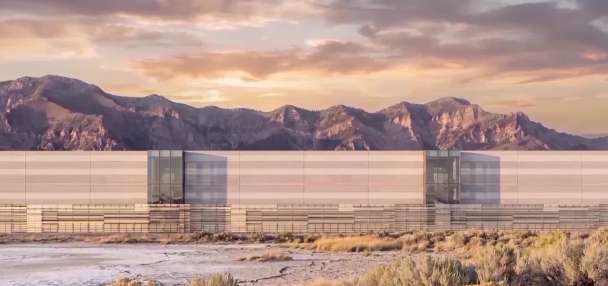
There's a large new section on energy needs, coinciding with the launch of Utah's Operation Gigawatt and the big push to explore nuclear energy that came out of the 2025 legislative session. Nuclear energy, while still controversial, offers a carbon-free option to account for "rapid population growth" and many new data centers.
But turning to nuclear still requires water availability because it and some other new generation energy "depend on secure and predictable water supplies," the USU report points out. Water is a completely different issue that Utah — and the West — has struggled with, especially during the two-decade-long "megadrought."
Utah is uniquely positioned for geothermal, solar and wind energy projects, too, which can help create a "healthy generation mix" to meet the high energy needs.
Water and growth
Water will likely continue to be a major issue beyond energy as the state grows and drought impacts the West. Most of the state's water goes toward agriculture, and the report found that many local farmers and ranchers are eager to help conserve water but are often "challenged by economic and development pressures."
That's on top of the pressures caused by real estate seeking land for new development in the fast-growing region. The report puts the state in another tricky balance between the state's constant needs for "food and housing."
"I think sometimes we're putting growth ahead of the stability of everybody else who lives here," one farmer told researchers.
The report suggests policies that make it easier for farmers to better save water while "earning a fair return on their labors" may help preserve water and the industry.
Wildlife overpasses
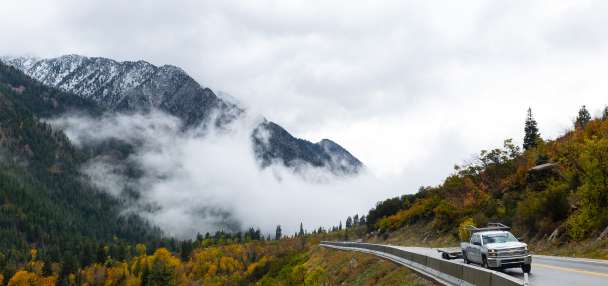
Over 4,300 "unique visits" among 34 different species were calculated on a wildlife overpass that the Utah Department of Transportation installed over Parleys Canyon between May 2020 and September 2024. About 98% of the deer and moose that attempted to use it, which accounted for the majority of these visits during that time, were able to make it across I-80 safely.

That translates into safety and savings. The report estimates that $15 million in taxpayer savings will be generated over its lifetime because of the reduction in motor vehicle collisions along the freeway.
"It's been quite successful, and I think it's something that we can look for in other areas of the state," Steed said.
Air quality
The state has made "substantial progress" in reducing ozone-forming emissions over the Wasatch Front over the past two decades, but ozone levels remain "stagnant" or have increased because of other forces. These may include natural sources or emissions from elsewhere building up over the region, the report points out.
A study launched last year seeks to better identify this trend, which may lead to new policy measures to combat the issue. In general, particulate matter hasn't increased despite the state's growth, which is good, but ongoing challenges remain.
One of those is wildfire smoke. Researchers say that increasing wildfires create more complex air quality challenges than localized wintertime inversions. That's because "chemical composition varies" within smoke, and it can worsen air quality for areas many miles away.
It shows why good policy is needed to address forest health, so wildfires are limited, Steed said.