'%3e%3cpath%20d='M34.1406%205.85938C30.3906%202.10547%2025.3047%200%2020%200C14.6953%200%209.60938%202.10547%205.85938%205.85938C2.10938%209.61328%200%2014.6953%200%2020C0%2025.3047%202.10547%2030.3906%205.85938%2034.1406C9.61328%2037.8906%2014.6953%2040%2020%2040C25.3047%2040%2030.3906%2037.8945%2034.1406%2034.1406C37.8906%2030.3906%2040%2025.3047%2040%2020C40%2014.6953%2037.8945%209.60938%2034.1406%205.85938ZM37.0117%2023.543H31.1602V13.5391H27.6328V19.9414C28.1211%2020.6914%2028.3711%2021.582%2028.3711%2022.5625V22.625C28.3711%2023.668%2028.1172%2024.6055%2027.6328%2025.4297V26.6094H36.082C33.4883%2032.9375%2027.2891%2037.3789%2020.0039%2037.3789C10.3711%2037.3789%202.62109%2029.6289%202.62109%2020C2.62109%2010.3711%2010.3711%202.62109%2020%202.62109C29.6289%202.62109%2037.3789%2010.3711%2037.3789%2020C37.3789%2021.1484%2037.2617%2022.2656%2037.0508%2023.3477C37.0391%2023.4141%2037.0234%2023.4766%2037.0117%2023.543Z'%20fill='white'/%3e%3cpath%20d='M22.3086%2018.5352C20.4336%2018.125%2019.9531%2017.8398%2019.9766%2017.1836V17.1406C19.9766%2016.6992%2020.3477%2016.2148%2021.4023%2016.2148C22.582%2016.2148%2023.8867%2016.6797%2025.0781%2017.4766L26.8516%2015.0195C25.4453%2013.8906%2023.707%2013.3398%2021.5547%2013.3398C18.5195%2013.3398%2016.4375%2015%2016.4063%2017.4766V17.5352C16.3633%2020.2617%2018.5859%2020.9805%2021.293%2021.6016C23.0391%2021.9766%2023.5703%2022.3164%2023.5703%2022.9609L23.5469%2022.9766C23.5469%2023.3906%2023.2578%2023.7031%2022.7852%2023.8359C22.5742%2023.9062%2022.1289%2023.9727%2021.5156%2023.9727C20.7617%2023.9727%2019.7539%2023.8633%2018.6328%2023.4844C18.0898%2023.2891%2017.4727%2023.0039%2016.8047%2022.6133L20.1406%2026.625C20.2813%2026.6602%2021.0977%2026.8516%2021.7734%2026.8516C25.0039%2026.8516%2027.0859%2025.2461%2027.1094%2022.6328V22.5703C27.1602%2020.1133%2025.2148%2019.1719%2022.3086%2018.5352Z'%20fill='white'/%3e%3cpath%20d='M5.24219%2013.5664V26.6133H8.75391V23.7578L10.2969%2021.9531L14.2031%2026.6133H18.3867L12.3555%2019.5195L17.4023%2013.5664H13.4531L8.75391%2019.0586V13.5664H5.24219Z'%20fill='white'/%3e%3c/g%3e%3cdefs%3e%3cclipPath%20id='clip0_97_2430'%3e%3crect%20width='40'%20height='40'%20fill='white'/%3e%3c/clipPath%3e%3c/defs%3e%3c/svg%3e)



- Utah's 2025 wildfire season burned almost 165,000 acres, costing $191.8 million to fight.
- Federal government covered $160.6 million; state and local costs were $31.2 million.
- Utah continues to carry out wildfire reduction projects to prevent more costly large fires.
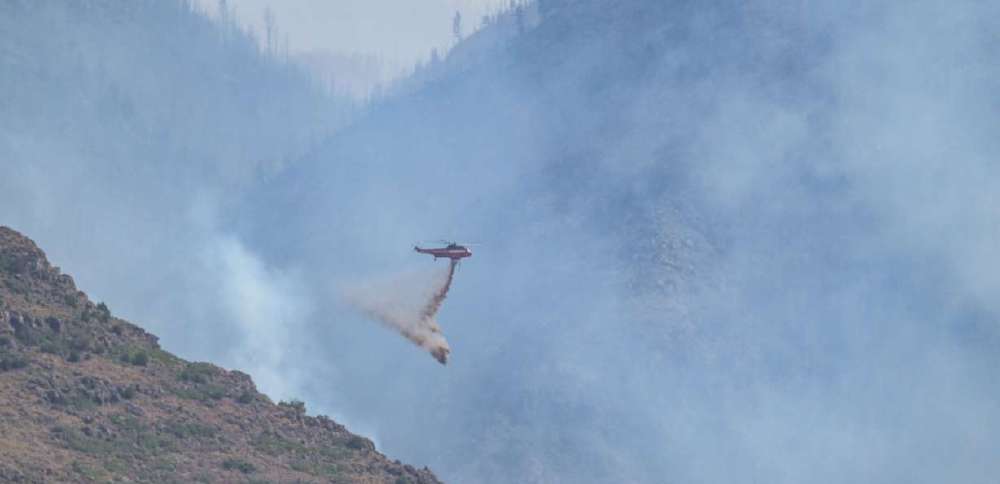
SALT LAKE CITY — Utah's 2025 wildfire season was "insane," as the state experienced an uptick in large wildfires.
Nearly 165,000 acres of land across the state went up in flames last year, the most acreage burned since 2020, and a number larger than the 2022, 2023 and 2024 seasons combined.
It was an expensive fire season, too.
The cost to suppress the 1,161 wildfires reported in Utah last year is estimated to have reached $191.8 million, according to preliminary numbers released by the Utah Division of Forestry, Fire and State Lands on Wednesday.
Most of this would fall on the federal government's dime, with a projected cost of $160.6 million there. The remaining $31.2 million falls between state, county and city costs, with county costs estimated at nearly $25 million of that figure, according to the agency. But it's all subject to change in the coming months.
The Monroe Canyon Fire in central Utah accounted for nearly $100 million of the early estimate, while the Deer Creek and Forsyth fires in southern Utah added another $55.1 million in costs.
"As you can see, it's very costly," said Jamie Barnes, the division's director, as she presented the data to members of the Utah Legislature's Natural Resources, Agriculture, and Environmental Quality Appropriations Subcommittee on Wednesday.
The estimated costs don't account for losses from the fire, including the dozens of structures damaged or destroyed last year. Utah also allocated $3.7 million for initial postfire rehabilitation efforts at the Deer Creek, Forsyth and Monroe Canyon fires.
Barnes said the state expects to receive federal reimbursement for some of last year's largest fires beginning in 2027 or 2028. The state has already collected $300,000 in penalties for human-caused fires, which account for some of the approximately $5 million it's seeking in damage recovery, she added.
Utah's uptick in destructive fires coincided with the return of severe and extreme drought to the state. Windy conditions created challenging fire behavior, making many fires unpredictable and difficult to control.
"We ended up with a lot of extra fuels to burn, and that's why we saw that extreme fire behavior," Kayli Guild, fire prevention and communications coordinator for the Utah Division of Forestry, Fire and State Lands, told KSL last month.
It could have been worse. Firefighters in the state were able to keep 92% of fires under 10 acres through quick responses, the agency reported on Wednesday.
Utah plans to continue work to reduce wildfire risk through its forest action plan with the U.S. Forest Service and similar programs for other public lands, Barnes said.
The state reached a separate 20-year agreement with the Forest Service. Joel Ferry, director of the Utah Department of Natural Resources, called it a "true partnership" that will give Utah greater say in management decisions at national forests in the state, including wildfire reduction projects, when it was signed earlier this month.
That's on top of efforts to reduce human-caused wildfires, which accounted for nearly two-thirds of all new starts and acres burned. The state also implemented a new program that seeks to reduce wildfire impacts on structures in wildland-urban interface areas.