- Democratic congressional candidates traded jabs and staked out progressive policy positions during a debate Wednesday.
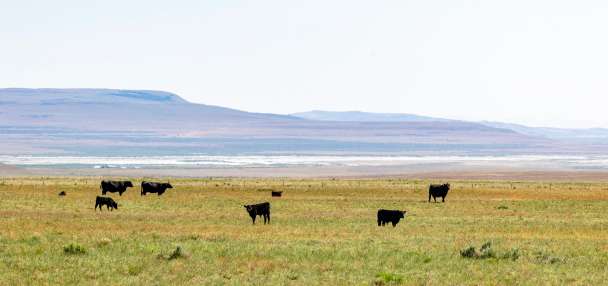
- Candidates stressed the important of the Great Salt Lake and some pledged to fulfill President Donald Trump's request for $1 billion in lake funding.
- Several candidates called for abolishing ICE, and all supported reforms to federal immigration enforcement.
SALT LAKE CITY — Democratic candidates for Utah's 1st Congressional District traded jabs and staked out progressive policy positions during a four-way debate Wednesday evening.
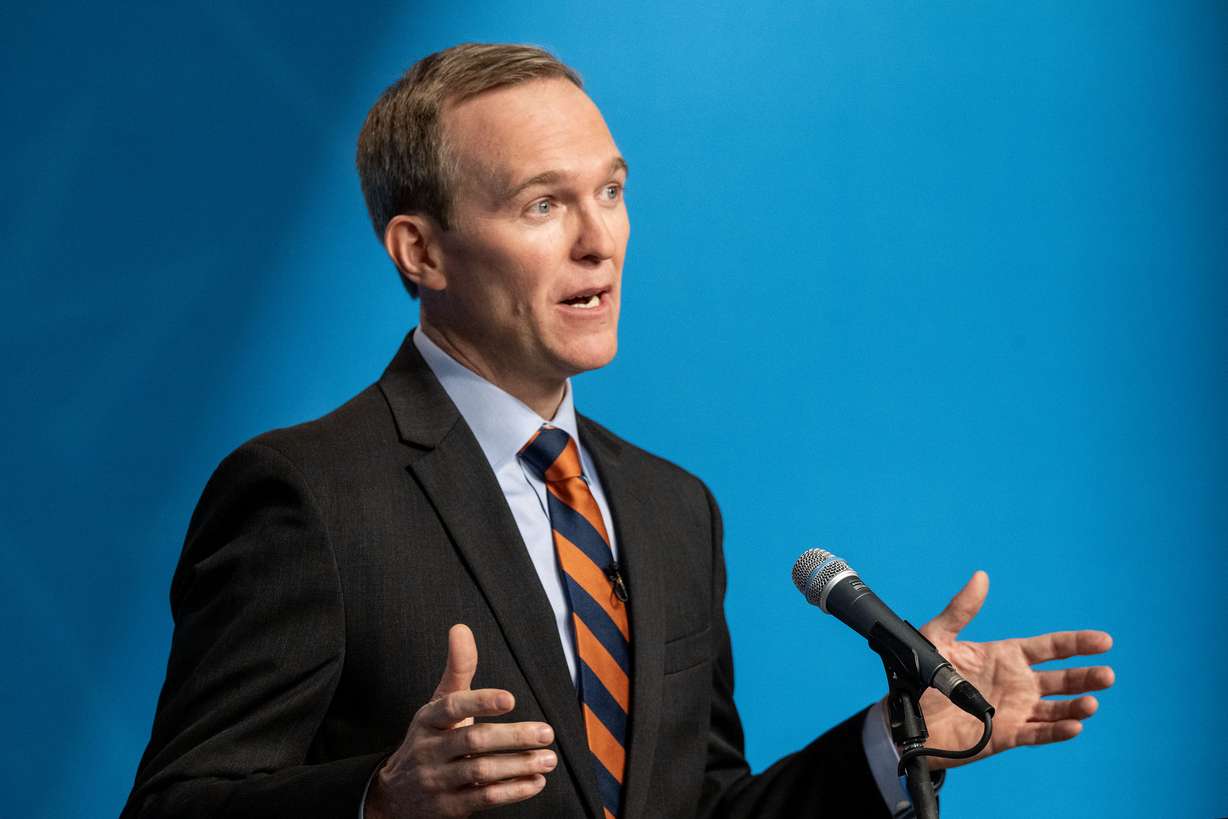
Former Rep. Ben McAdams, the likely front-runner in the race, cast himself as a pragmatic legislator, even as he was called out by each of his opponents throughout the evening.
"I'd like to thank my fellow candidates for all so generously giving extra time on the stage tonight," he said toward the end of the hourlong debate, referring to the frequent rebuttals he was granted.
But McAdams also took shots back at his opponents, including state Sen. Nate Blouin, who faced pressure from more than one opponent for not having passed a bill during his four sessions in the state Legislature.
"The only thing I guess harder than having a record would be to not have a record after having served in public office and have nothing to run on," McAdams said while speaking to reporters after the debate.
Liban Mohamed, the winner of the Democratic nominating convention, went after both McAdams and Blouin, criticizing McAdams for the donations his campaign has received and calling Blouin "performative" and "the most ineffective person since Utah has existed."
Blouin responded by saying he's had to go up against "Republicans and Democrats alike" when pushing for progressive policies.
"It's challenging," Blouin said. "We see Democrats taking money from the same pharma companies, the same corporate PACs that Republicans do in Utah, and I have fought against that."
Attorney Michael Farrell rounded out the quartet of candidates with an anti-establishment message, saying rising costs are one of the biggest issues facing voters in the district.
"We have a government filled with people that do not care about ordinary Americans," he said. "We have such an out of touch federal government ... that doesn't know what people need."
The debate was hosted by the Utah Debate Commission and held at the PBS Utah Studios on the campus of the University of Utah.
Here's where the candidates stand on several key issues, including the Great Salt Lake and immigration.
Saving the Great Salt Lake
Each candidate acknowledged the importance of restoring the health of the Great Salt Lake when asked if they would work to deliver on President Donald Trump's budget request for $1 billion to help the lake. Only McAdams and Farrell affirmatively said they would work with the Republican president if elected, while Blouin called the budget request "a start" and Mohamed stressed the importance of the lake.
Farrell was emphatic about working with the president to help the lake if elected.
"I would happily work with Donald Trump to bring in more funding for the Great Salt Lake," he said. "We could call it the Great Trump Lake if he wants to save it. I don't care. The most important thing is saving the lake."
McAdams said the lake is his No. 1 priority. And referencing New York City Mayor Zohran Mamdani's cooperation with the president, he said he could do the same.
"If Zohran can work with Donald Trump, then to save the Great Salt Lake, I can work with him, too," the former congressman said.
Blouin touted a bill he ran during his first legislative session that would have set a target elevation for the lake and said he supports using eminent domain to secure water rights for the lake.
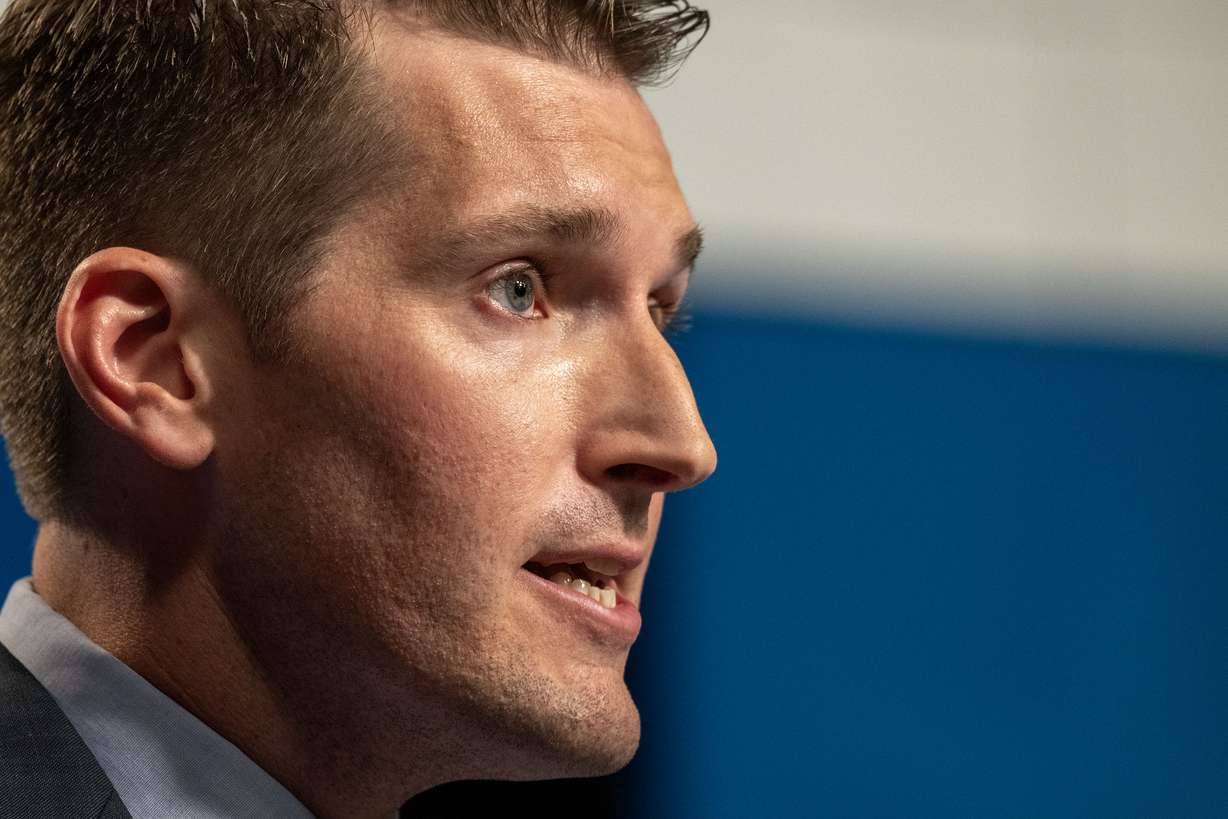
"That billion dollars that Trump put forward is a start, but we need that every year," he said. "And I will fight for a billion dollars a year to actually solve this problem in the long term."
Mohamed called the lake "integral to Utah" and said he would work to get more federal funding for the lake.
"Real funding now," he said, "making sure that we reform our water rights policies and take on people who are extracting from us."
Immigration
All four candidates were critical of a proposed immigration detention center in Salt Lake City and said they would do what they can to block the project. The three progressive candidates called for abolishing Immigration and Customs Enforcement, while McAdams called for more accountability for immigration agents.
Mohamed is the child of Somali immigrant parents and said when they first moved to Utah they were treated "with such dignity — dignity that feels like it's being stripped away from us today."
"What we need to do is this: abolish ICE and build an immigration system that is rooted in our shared humanity," he said, also calling for a pathway to citizenship for undocumented immigrants and taking steps to make sure immigrants are given due process and legal representation.
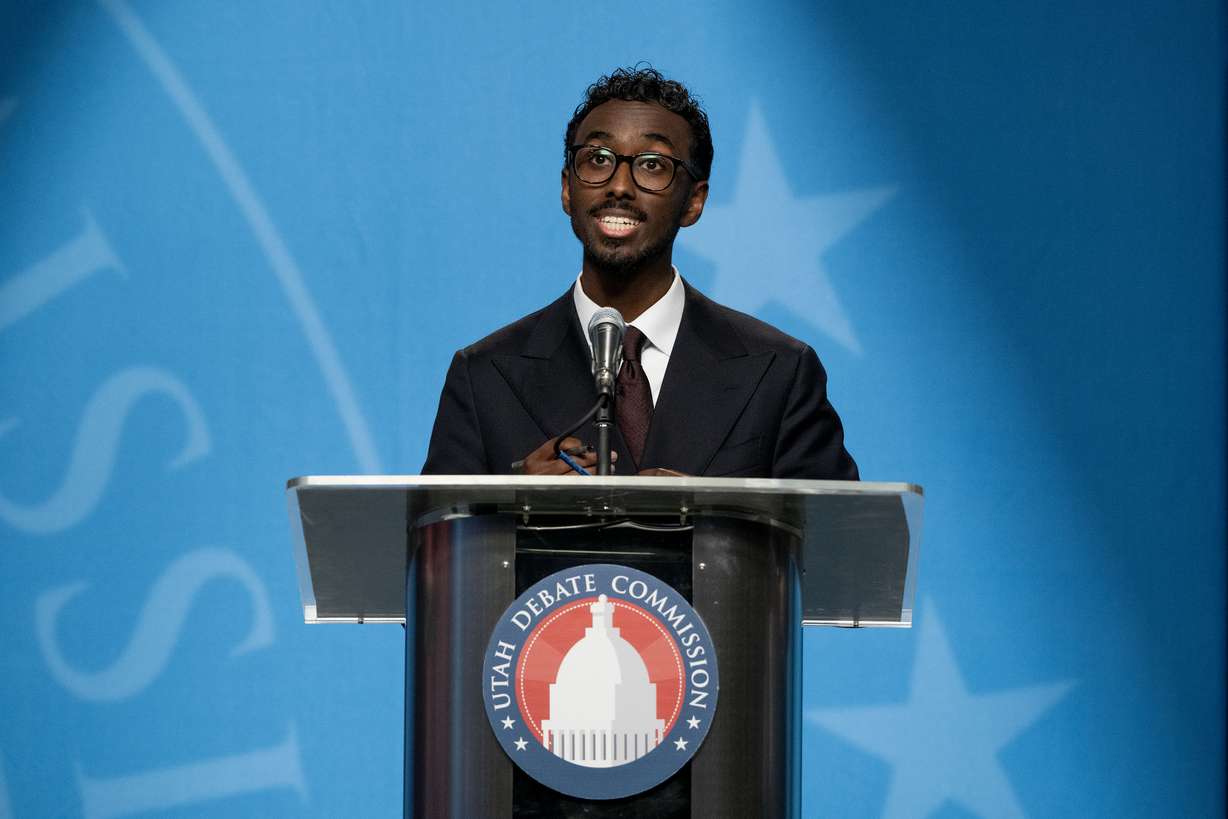
McAdams said he would use "every tool at my disposal" to block the Salt Lake City detention center, comparing it to the Topaz War Relocation Center in Millard County where more than 11,000 Japanese Americans were held during World War II.
"This detention center will be a scar on the face of Utah, and we must stop it," McAdams said. "But it doesn't stop there. We must also get ICE out of our American cities. We must hold ICE accountable, of course. That starts with things like bodycams, removing the masks, requiring warrants, requiring due process, but that is the bare minimum."
Farrell supported abolishing ICE, banning masks for federal agents and ending qualified immunity for agents who break the law. He also compared the detention center proposal to Topaz and called for reallocating ICE funding to hiring new immigration judges.
"That's the holdup. The people in (Washington), D.C., don't want the process to work," he said. "They're letting people linger in fear and in silence."
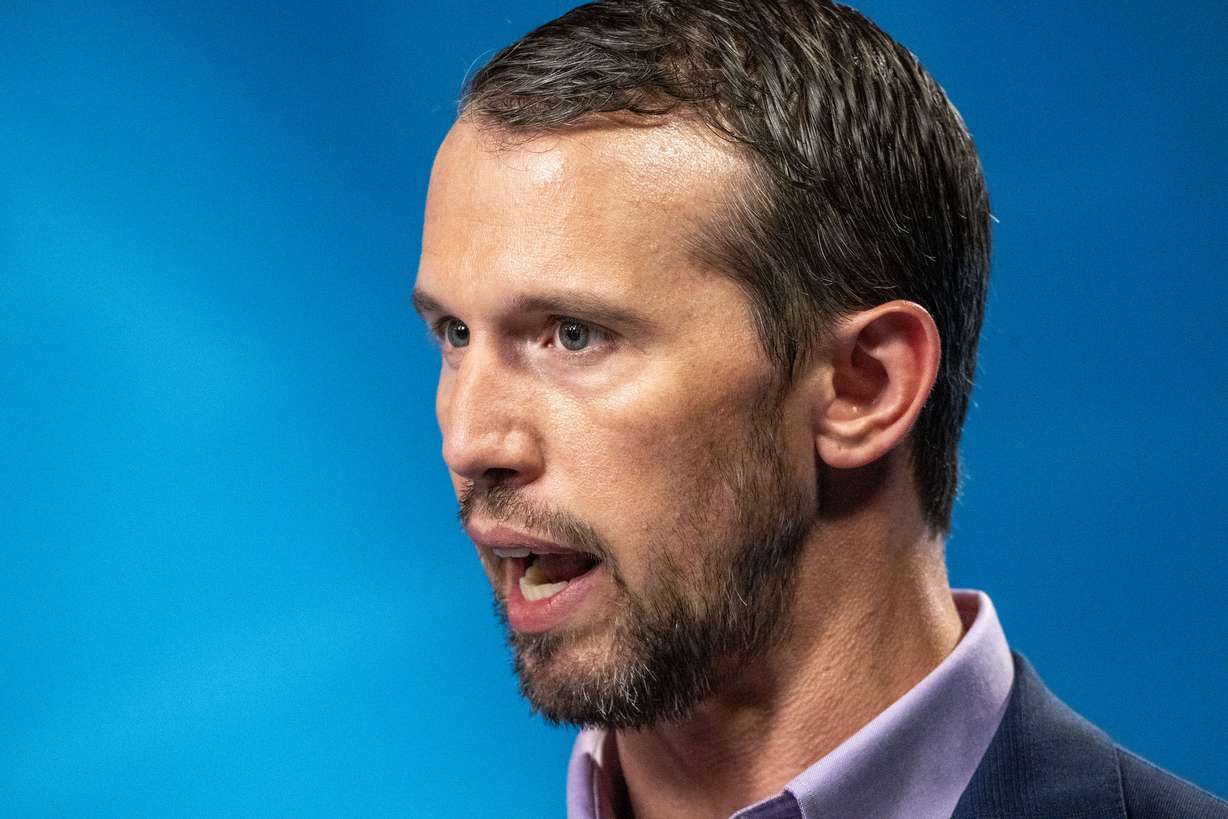
In addition to ending ICE, Blouin said he would support pathways to citizenship for undocumented immigrants, reestablishing refugee programs and pushing for oversight of the immigration system.
"If we see this detention facility — which I am committed to fighting as hard as I can against — I will be out there on the first day of my term, surveying that facility and making sure that people are being treated humanely," he said.
What's next?
Wednesday's contest was one of the last chances for the four candidates to take their arguments to the voters on a large stage. The field of candidates is one of largest Democratic races in years, thanks to a new map adopted by Utah Judge Dianna Gibson that gives the party an advantage in the district.
Ballots will be sent out to voters beginning on Tuesday, and the primary election is on June 23. The winner of the Democratic primary will face Republican Riley Owen in the general election.