'%3e%3cpath%20d='M34.1406%205.85938C30.3906%202.10547%2025.3047%200%2020%200C14.6953%200%209.60938%202.10547%205.85938%205.85938C2.10938%209.61328%200%2014.6953%200%2020C0%2025.3047%202.10547%2030.3906%205.85938%2034.1406C9.61328%2037.8906%2014.6953%2040%2020%2040C25.3047%2040%2030.3906%2037.8945%2034.1406%2034.1406C37.8906%2030.3906%2040%2025.3047%2040%2020C40%2014.6953%2037.8945%209.60938%2034.1406%205.85938ZM37.0117%2023.543H31.1602V13.5391H27.6328V19.9414C28.1211%2020.6914%2028.3711%2021.582%2028.3711%2022.5625V22.625C28.3711%2023.668%2028.1172%2024.6055%2027.6328%2025.4297V26.6094H36.082C33.4883%2032.9375%2027.2891%2037.3789%2020.0039%2037.3789C10.3711%2037.3789%202.62109%2029.6289%202.62109%2020C2.62109%2010.3711%2010.3711%202.62109%2020%202.62109C29.6289%202.62109%2037.3789%2010.3711%2037.3789%2020C37.3789%2021.1484%2037.2617%2022.2656%2037.0508%2023.3477C37.0391%2023.4141%2037.0234%2023.4766%2037.0117%2023.543Z'%20fill='white'/%3e%3cpath%20d='M22.3086%2018.5352C20.4336%2018.125%2019.9531%2017.8398%2019.9766%2017.1836V17.1406C19.9766%2016.6992%2020.3477%2016.2148%2021.4023%2016.2148C22.582%2016.2148%2023.8867%2016.6797%2025.0781%2017.4766L26.8516%2015.0195C25.4453%2013.8906%2023.707%2013.3398%2021.5547%2013.3398C18.5195%2013.3398%2016.4375%2015%2016.4063%2017.4766V17.5352C16.3633%2020.2617%2018.5859%2020.9805%2021.293%2021.6016C23.0391%2021.9766%2023.5703%2022.3164%2023.5703%2022.9609L23.5469%2022.9766C23.5469%2023.3906%2023.2578%2023.7031%2022.7852%2023.8359C22.5742%2023.9062%2022.1289%2023.9727%2021.5156%2023.9727C20.7617%2023.9727%2019.7539%2023.8633%2018.6328%2023.4844C18.0898%2023.2891%2017.4727%2023.0039%2016.8047%2022.6133L20.1406%2026.625C20.2813%2026.6602%2021.0977%2026.8516%2021.7734%2026.8516C25.0039%2026.8516%2027.0859%2025.2461%2027.1094%2022.6328V22.5703C27.1602%2020.1133%2025.2148%2019.1719%2022.3086%2018.5352Z'%20fill='white'/%3e%3cpath%20d='M5.24219%2013.5664V26.6133H8.75391V23.7578L10.2969%2021.9531L14.2031%2026.6133H18.3867L12.3555%2019.5195L17.4023%2013.5664H13.4531L8.75391%2019.0586V13.5664H5.24219Z'%20fill='white'/%3e%3c/g%3e%3cdefs%3e%3cclipPath%20id='clip0_97_2430'%3e%3crect%20width='40'%20height='40'%20fill='white'/%3e%3c/clipPath%3e%3c/defs%3e%3c/svg%3e)




- A developer involved in the controversial Box Elder County data center project emphasizes what he believes will be the project's limited footprint.
- He also noted plans to allow those selling land for the project to potentially lease property back for continued agricultural use.
- A new group, meantime, charges state officials with procedural missteps in giving the plans a green light.
SALT LAKE CITY — New information from the developers behind plans to develop a data center in Box Elder County sheds light on the proposal and planned efforts aimed at preserving the rural character of the remote, undeveloped zone.
On the flip side, a new group formed in part in response to the controversial proposal, the Stratos Project Area, charges that state officials didn't follow proper procedure in approving the initiative. A spokeswoman for the state entity that reviewed the plans, the Utah Military Installation Development Authority, rebuffed the charges.
The project has sparked widespread attention and almost daily developments, and information from Paul Palandjian, chief executive officer of O'Leary Digital, the force behind the initiative, offers new insights into the impact it would have. He emphasizes what he believes will be the project's limited footprint, at least for the data center element, a major point of contention.
The project zone approved by the Utah Military Installation Development Authority, or MIDA, covers 40,000 acres spread across three swaths of Box Elder County land, an expanse that has prompted alarm from some. They worry about the environmental impact of the development and the water it would use, particularly in light of dwindling levels at the Great Salt Lake.
However, "the data center campus and the MIDA zone are not the same thing, and they should not be conflated," Palandjian said in comments to KSL. The notion suggested by some news reporting "that we are building a data center the size of a small county is wrong."
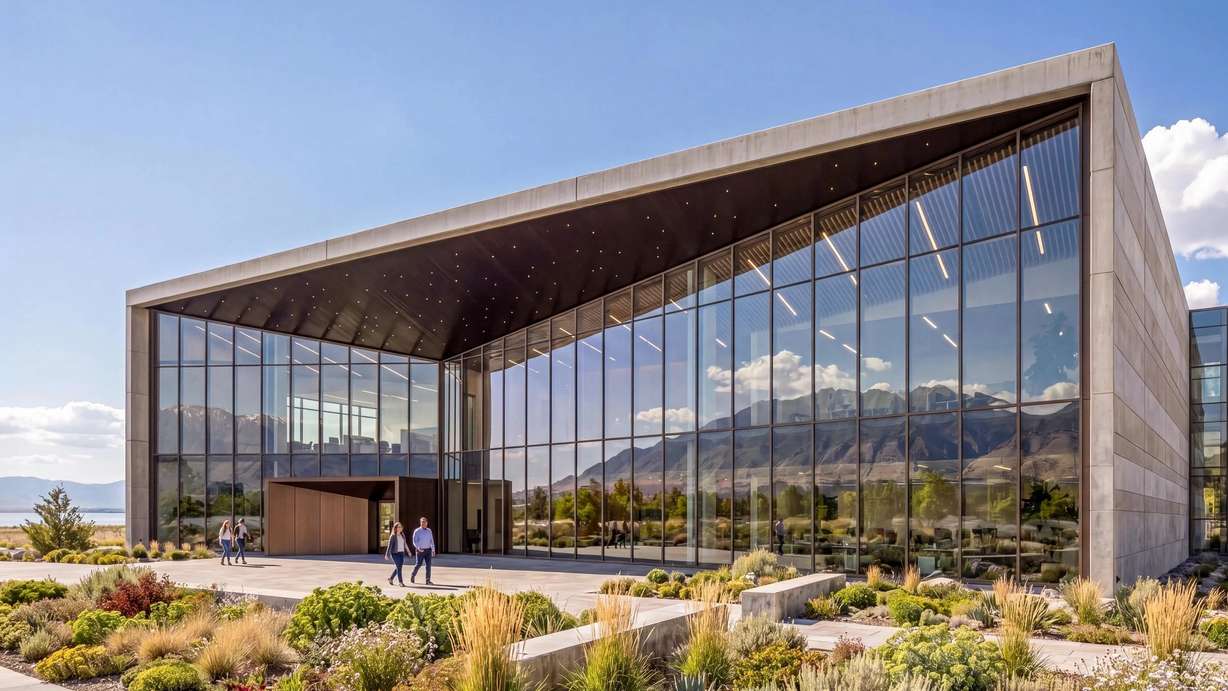
In fact, he said the data center campus, fully built, would be spread across 10,000 to 13,000 acres, but around 7,500 acres of that would be open space. The plans also call for development of up to 9 gigawatts of power-producing capacity to serve the data center's needs, but Palandjian didn't respond to queries about the footprint of that element of the plans.
Either way, Palandjian also noted plans to allow those selling land for the Stratos project to lease the property back for continued agricultural use, presuming it's unoccupied. O'Leary Digital has contracted to buy 13,675 acres of ranch and farmland with first rights to buy 35,514 additional acres as the project proceeds, according to Palandjian.
"The transaction structure is purchase with a leaseback option for any portion of the land not in active development use. The sellers want to continue grazing and operating on the unused acreage, and the leaseback gives them that ability while their land becomes part of the project," he said. The arrangement "is specifically designed so they can monetize a portion of their land while continuing to graze and operate on the rest, preserving a way of life that has defined this valley for generations and contributing to infrastructure the country needs."
Like Box Elder County officials, Palandjian has emphasized the rights of the property owners poised to sell the land for the data center project.
Utah Civic Compact raises concerns
While Palandjian is bullish on Stratos' prospects, a new organization, the Utah Civic Compact, joined others who have taken issue with the plans, charging Tuesday that MIDA, a state entity, didn't follow state law in allowing the initiative to proceed. The board of MIDA approved four resolutions and a tax ordinance on April 24 to allow the plans to proceed.
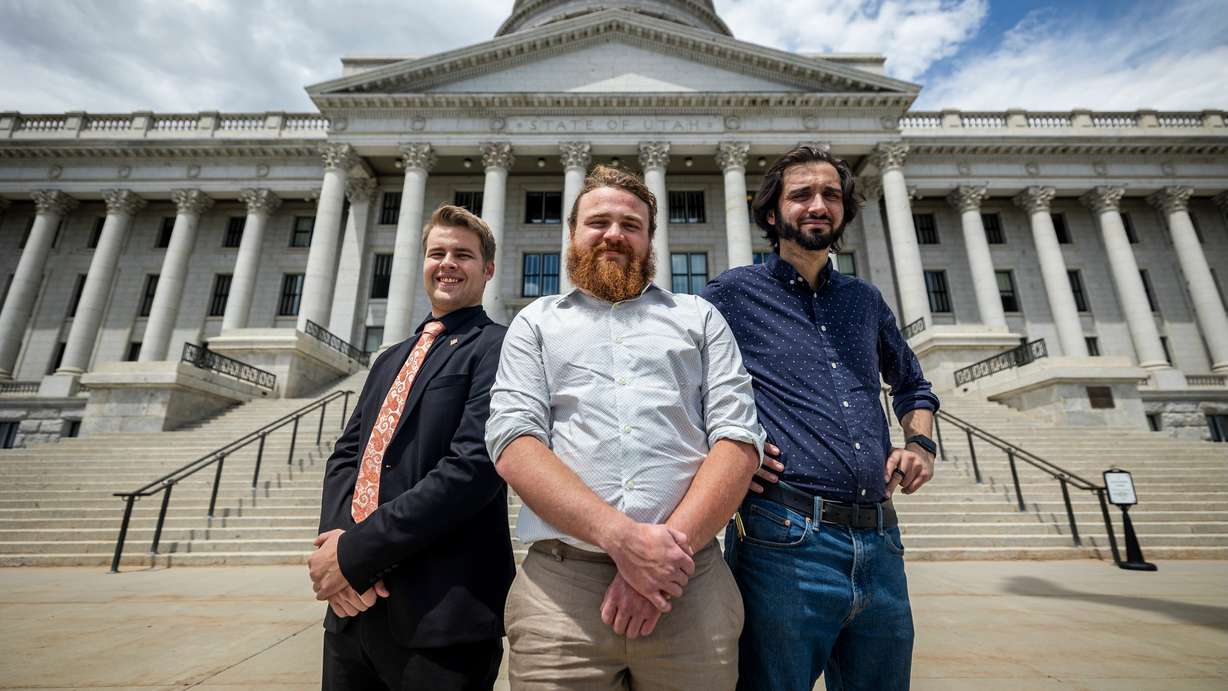
"We're not against infrastructure. We're not against doing projects, but we want to make sure that due diligence is followed," said Conner Radcliffe, president of the group, formed earlier this month. "Just looking at the statutes and looking at MIDA's own statements and kind of just doing a little bit of research, we arrived at our opinion that they did not follow these procedures."
The organization doesn't plan to sue based on its findings, given the time and cost, but released its findings "for the sake of accountability and transparency," said Radcliffe.
According to the review of the matter by the Utah Civic Compact, made up of just three people, MIDA ran afoul of state law by approving two resolutions key to the plan's development, a project plan and a development agreement, before Box Elder County officials. As the Utah Civic Compact sees it, county officials — who acted on the matter on May 4 — should have acted first.
The group also charged that MIDA's determination that the Stratos project promotes the health and welfare of the community falls short of state law.
MIDA spokeswoman Kristin Kenney Williams rejected the charges, saying "misinformation continues to muddy the facts" surrounding the Stratos proposal. Pertinent MIDA action on April 24 on one of the resolutions in question stated that approval was contingent on action by Box Elder County commissioners, she said. Action by county officials on another resolution approved by MIDA was delayed, a point of contention for Utah Civic Compact, but the measure contains language that gave officials leeway on timing in their decision-making.
Williams pointed to the Stratos plan for the language, stating its health and welfare benefits, countering the critics. "It is very important to note that the action of the MIDA Board on April 24 was not approving the construction of the facility — it was putting the tools in place to review and regulate such a facility as it will be designed and proposed," she said.






