'%3e%3cpath%20d='M34.1406%205.85938C30.3906%202.10547%2025.3047%200%2020%200C14.6953%200%209.60938%202.10547%205.85938%205.85938C2.10938%209.61328%200%2014.6953%200%2020C0%2025.3047%202.10547%2030.3906%205.85938%2034.1406C9.61328%2037.8906%2014.6953%2040%2020%2040C25.3047%2040%2030.3906%2037.8945%2034.1406%2034.1406C37.8906%2030.3906%2040%2025.3047%2040%2020C40%2014.6953%2037.8945%209.60938%2034.1406%205.85938ZM37.0117%2023.543H31.1602V13.5391H27.6328V19.9414C28.1211%2020.6914%2028.3711%2021.582%2028.3711%2022.5625V22.625C28.3711%2023.668%2028.1172%2024.6055%2027.6328%2025.4297V26.6094H36.082C33.4883%2032.9375%2027.2891%2037.3789%2020.0039%2037.3789C10.3711%2037.3789%202.62109%2029.6289%202.62109%2020C2.62109%2010.3711%2010.3711%202.62109%2020%202.62109C29.6289%202.62109%2037.3789%2010.3711%2037.3789%2020C37.3789%2021.1484%2037.2617%2022.2656%2037.0508%2023.3477C37.0391%2023.4141%2037.0234%2023.4766%2037.0117%2023.543Z'%20fill='white'/%3e%3cpath%20d='M22.3086%2018.5352C20.4336%2018.125%2019.9531%2017.8398%2019.9766%2017.1836V17.1406C19.9766%2016.6992%2020.3477%2016.2148%2021.4023%2016.2148C22.582%2016.2148%2023.8867%2016.6797%2025.0781%2017.4766L26.8516%2015.0195C25.4453%2013.8906%2023.707%2013.3398%2021.5547%2013.3398C18.5195%2013.3398%2016.4375%2015%2016.4063%2017.4766V17.5352C16.3633%2020.2617%2018.5859%2020.9805%2021.293%2021.6016C23.0391%2021.9766%2023.5703%2022.3164%2023.5703%2022.9609L23.5469%2022.9766C23.5469%2023.3906%2023.2578%2023.7031%2022.7852%2023.8359C22.5742%2023.9062%2022.1289%2023.9727%2021.5156%2023.9727C20.7617%2023.9727%2019.7539%2023.8633%2018.6328%2023.4844C18.0898%2023.2891%2017.4727%2023.0039%2016.8047%2022.6133L20.1406%2026.625C20.2813%2026.6602%2021.0977%2026.8516%2021.7734%2026.8516C25.0039%2026.8516%2027.0859%2025.2461%2027.1094%2022.6328V22.5703C27.1602%2020.1133%2025.2148%2019.1719%2022.3086%2018.5352Z'%20fill='white'/%3e%3cpath%20d='M5.24219%2013.5664V26.6133H8.75391V23.7578L10.2969%2021.9531L14.2031%2026.6133H18.3867L12.3555%2019.5195L17.4023%2013.5664H13.4531L8.75391%2019.0586V13.5664H5.24219Z'%20fill='white'/%3e%3c/g%3e%3cdefs%3e%3cclipPath%20id='clip0_97_2430'%3e%3crect%20width='40'%20height='40'%20fill='white'/%3e%3c/clipPath%3e%3c/defs%3e%3c/svg%3e)


- A Utah audit found 27 confirmed and 25 likely noncitizens among 2 million voters.
- Lt. Gov. Deidre Henderson said the "small handful" shows the system is working, but said the audit found areas for improvement.
- Utah recently required new voters to show proof of citizenship when they register to vote.
SALT LAKE CITY — An audit of the more than 2 million registered voters in Utah found just a few dozen who are not American citizens, the lieutenant governor's office announced Wednesday.
After comparing voter registration records with data from the Driver License Division and other programs, state election officials say they confirmed that 27 voters are noncitizens and identified 25 other voters who are likely not citizens.
Lt. Gov. Deidre Henderson, whose office oversees elections, said the goal is to have "zero" noncitizens on Utah's voter rolls. But she added that the very small percentage shows the state's election system is working. Thirteen of those confirmed noncitizens cast ballots in certain elections, according to the audit.
"This demonstrates that there is not a widespread problem and that states and our county clerks, for the most part, do a very good job of making sure that our voter rolls are clean and that only eligible voters are registering," Henderson said.
Preliminary findings from the audit were first made public in January and found that one noncitizen had been registered to vote but never cast a ballot. Around the same time, lawmakers passed HB209, which requires Utahns to show proof of citizenship in order to vote in state and local elections. The governor has since signed that bill into law.
The sponsor of that law, Rep. Cory Maloy, R-Lehi, said earlier this year that any deficiency in the state's voter rolls is a problem.
"It's been discussed that there's only been a few noncitizens that have voted in our elections," Maloy said. "That's a few too many."
Utah House Speaker Mike Schultz, R-Hooper, said in a statement Wednesday that he appreciated the "thorough review" of the state's voter registration system.
"The report reinforces two important truths: first, that Utah's voter rolls are overwhelmingly composed of eligible citizens, and second, that there are still opportunities to strengthen the system and close vulnerabilities," Schultz said. "We appreciate the recommendations outlined in the report and support continued efforts to ensure Utah maintains both secure elections and confidence in the integrity of our voter rolls."
What the audit shows
The audit, which took over a year to complete, confirmed the citizenship of 99.72% of those on Utah's voter rolls. In addition to those who were definitely or likely noncitizens, the audit found an additional 5,007 voters whose citizenship could not be confirmed either way.
However, Henderson emphasized, there is no evidence that those registered voters are not citizens. She said many of them are considered "legacy voters" who first registered in Utah before voters were required to use a driver's license and attest to their citizenship status.

For registered voters whose citizenship could not be confirmed, the lieutenant governor's office plans to soon send a letter asking them to update their voter registration information. If they don't, those individuals will only receive a federal ballot going forward and won't be able to vote in state or local races.
Federal law requires voters to attest to their citizenship under penalty of perjury, but it doesn't require voters to show proof of it. The U.S. House of Representatives passed the "SAVE America Act" last month, which would require voters to show proof of citizenship for federal elections, but the measure has stalled in the Senate.
How were noncitizens allowed to register?
The lieutenant governor said the audit led her office to "identify and fix potential vulnerabilities in our voter registration processes while also protecting the rights of eligible voters."
That included an issue with an online registration program that allowed potential voters to check a box attesting to their citizenship even if their driver's licenses showed they were not citizens.
Human error with processing manual forms may also have contributed to some noncitizens being allowed to register to vote, the lieutenant governor said.
"We are encouraging county clerks to be vigilant, especially while processing paper registration forms, to ensure that all applications are properly complete," Henderson wrote in the audit report. "I remain committed to a transparent and secure election process for all Utahns."
What's next?
Henderson said the 27 registered voters who were confirmed not to be citizens all came forward during the audit and asked to be removed from the rolls. The remaining 25 who are likely not citizens will receive a letter from her office giving them 30 days to update their registration or they will be removed from the rolls.
The lieutenant governor's office is working with county clerks, who could refer cases to county attorneys for any voters who gave false information when they registered.
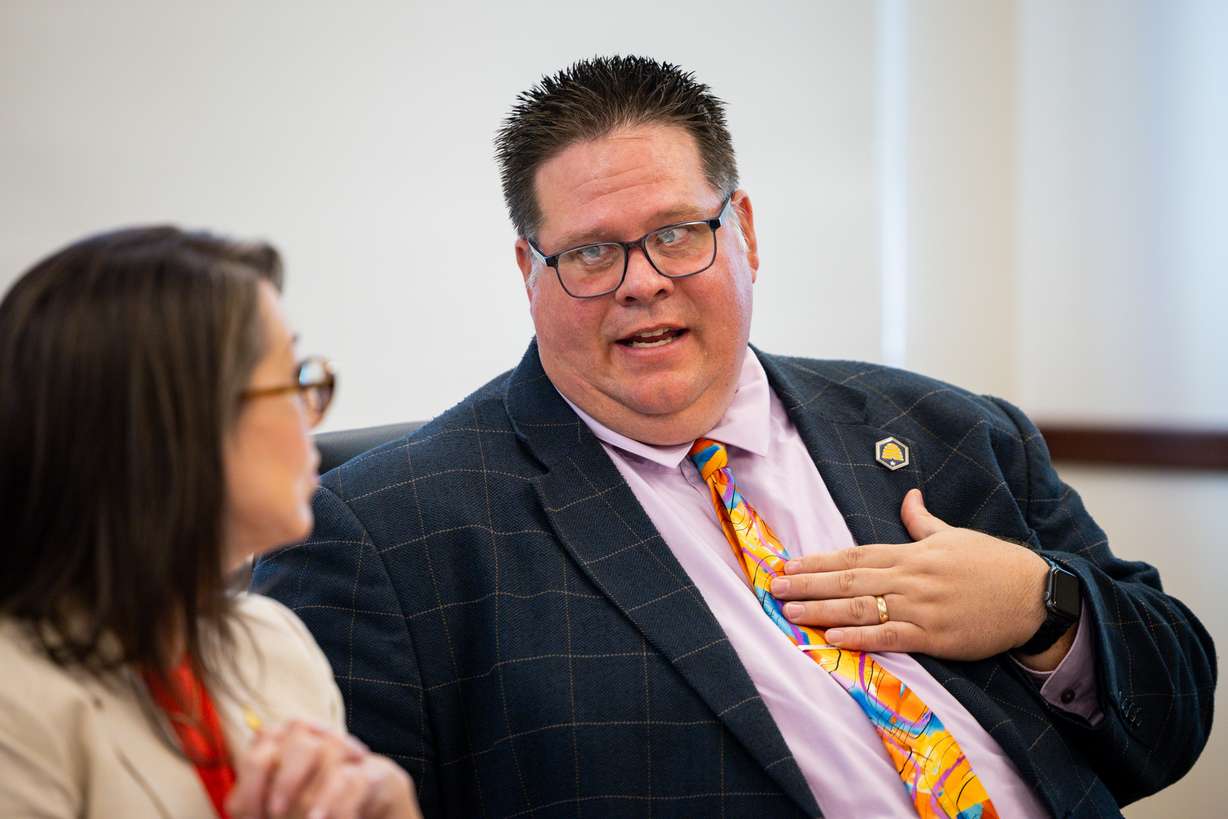
"Those voters do need to be held accountable for this," said Daniel Wade, a Utah voter registration specialist.
Still, the lieutenant governor was unsure whether the findings of this audit would quiet the criticism from some who persistently doubt the security of American elections.
"Finding out that we have a small handful — it's not zero, but it's not hundreds or thousands or millions — you would think that would give everybody some reassurance," Henderson said. "But I do think that this issue has been politicized and there will be some people who maybe aren't satisfied with this answer, but you can't please everybody."