- HB227, expanding student journalists' rights, was tabled by a 9-3 vote by the Legislature on Tuesday.
- Concerns cited include differences between students' and professional journalists' rights.
- The bill's tabling halts its progress this legislative session, requiring its reworking.
SALT LAKE CITY — A proposal to expand the rights of student journalists in Utah while protecting their advisers from liability failed to move forward this week.
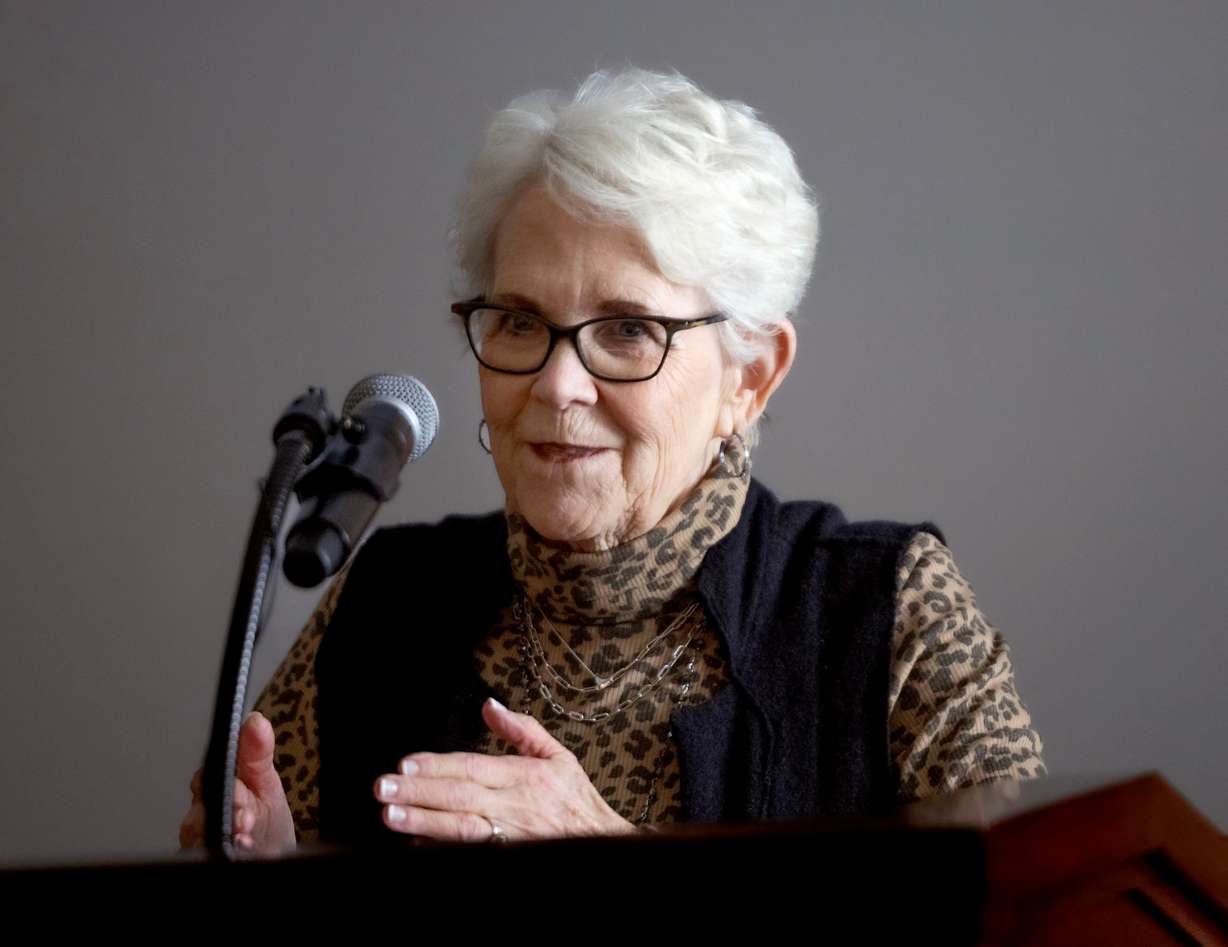
HB227, sponsored by Rep. Carol Spackman Moss, D-Holladay, was tabled Tuesday by the House Education Committee in a 9-3 vote, effectively halting its progress for the remainder of the legislative session.
Members of the committee and the public expressed concerns about the bill, which gives student journalists "the right to exercise freedom of speech and of the press in school-sponsored media," by determining what is published.
Schools would be allowed to block the publication of student journalism only if it is obscene, libelous or slanderous, violates the law or school policy or creates a needless invasion of privacy.
Student media advisers could also not be disciplined for protecting students' work under the policies in the bill.
"It teaches students guidelines for expressing themselves in appropriate ways and the type of subjects that they could and ought to be writing about in high school — and what not to do," Spackman Moss, a former high school teacher, told the committee.
Spackman Moss invited Milan Venegas, a high school graduate from Utah County, to share an example of an article he had written as a student journalist that was critical of his school administration's handling of a parking lot construction project.
"They weren't really happy with me, and they took down my article," Venegas said. "It wasn't very awesome."
Similar student press freedom laws have been enacted in 18 other states, according to the Student Press Law Center, a nonpartisan legal organization that advocates for making schools "more welcoming places for student voices."
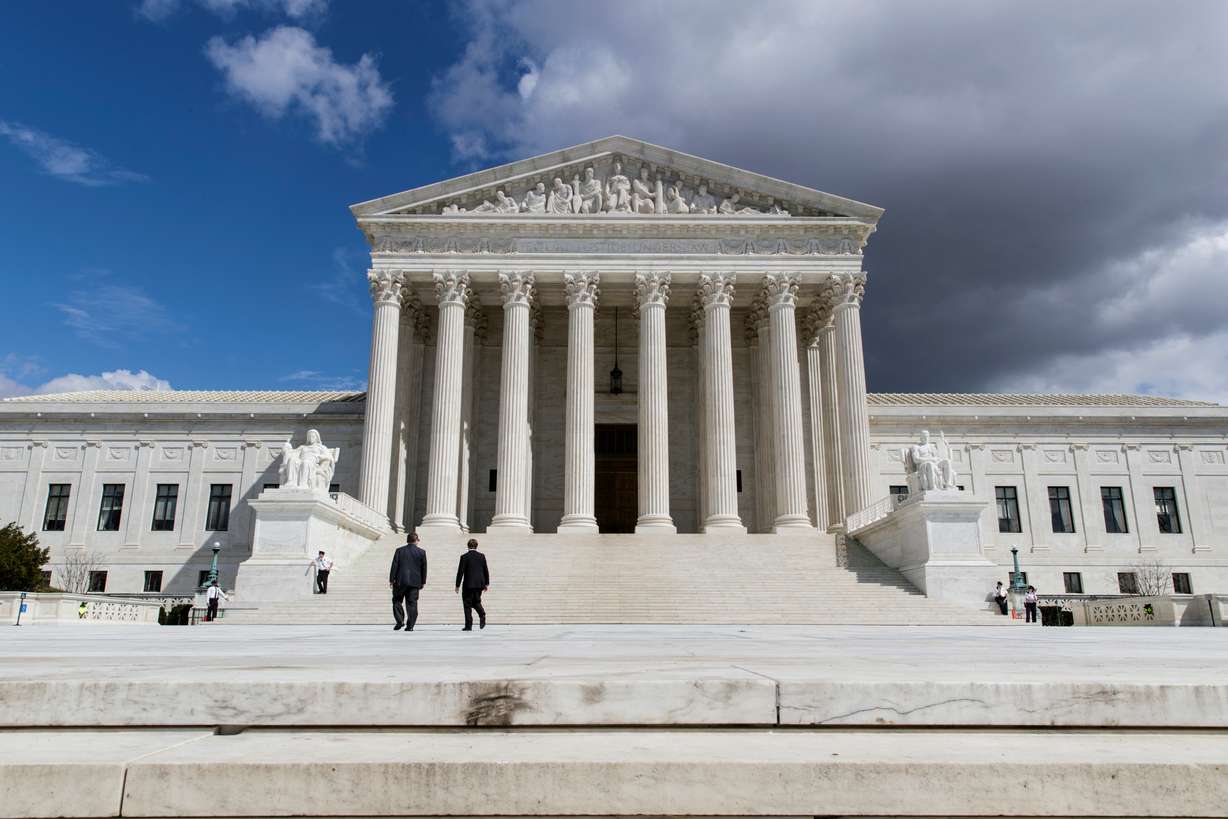
But multiple Utah lawmakers expressed concerns about the proposal. Rep. Karen Peterson, R-Clinton, noted that the Supreme Court has outlined a difference between student and professional journalists.
That 1988 decision in Hazelwood School District v. Kuhlmeier found that educators can regulate student speech in school-sponsored activities, "so long as their actions are reasonably related to legitimate pedagogical concerns."
"First Amendment rights of students in the public schools are not automatically coextensive with the rights of adults in other settings, and must be applied in light of the special characteristics of the school environment," the court ruled.
"A school need not tolerate student speech that is inconsistent with its basic educational mission, even though the government could not censor similar speech outside the school."
"We of course want our students to be able to exercise First Amendment rights. It's critical. It's important. I believe all of that," Peterson said. "But I also think that they have given us room to regulate that because of the concerns that it can cause."
Rep. Karianne Lisonbee, R-Syracuse, also pointed to the Supreme Court case as one reason why she had "serious concerns" about HB227, which would also make it easier for students or their parents to take legal action against schools for failing to follow the law.
"This seems probably out of balance," Lisonbee said.
"There is power in what the students can say," added Maryann Christensen, executive director of Utah Legislative Watch, who opposed the bill. "They just need guidance while they're in school."
Ultimately, lawmakers on the committee voted to table the measure, stopping its progression. Rep. Matt MacPherson, R-West Valley City, said he felt the bill took the wrong approach and needed to be reworked "from the ground up."