'%3e%3cpath%20d='M34.1406%205.85938C30.3906%202.10547%2025.3047%200%2020%200C14.6953%200%209.60938%202.10547%205.85938%205.85938C2.10938%209.61328%200%2014.6953%200%2020C0%2025.3047%202.10547%2030.3906%205.85938%2034.1406C9.61328%2037.8906%2014.6953%2040%2020%2040C25.3047%2040%2030.3906%2037.8945%2034.1406%2034.1406C37.8906%2030.3906%2040%2025.3047%2040%2020C40%2014.6953%2037.8945%209.60938%2034.1406%205.85938ZM37.0117%2023.543H31.1602V13.5391H27.6328V19.9414C28.1211%2020.6914%2028.3711%2021.582%2028.3711%2022.5625V22.625C28.3711%2023.668%2028.1172%2024.6055%2027.6328%2025.4297V26.6094H36.082C33.4883%2032.9375%2027.2891%2037.3789%2020.0039%2037.3789C10.3711%2037.3789%202.62109%2029.6289%202.62109%2020C2.62109%2010.3711%2010.3711%202.62109%2020%202.62109C29.6289%202.62109%2037.3789%2010.3711%2037.3789%2020C37.3789%2021.1484%2037.2617%2022.2656%2037.0508%2023.3477C37.0391%2023.4141%2037.0234%2023.4766%2037.0117%2023.543Z'%20fill='white'/%3e%3cpath%20d='M22.3086%2018.5352C20.4336%2018.125%2019.9531%2017.8398%2019.9766%2017.1836V17.1406C19.9766%2016.6992%2020.3477%2016.2148%2021.4023%2016.2148C22.582%2016.2148%2023.8867%2016.6797%2025.0781%2017.4766L26.8516%2015.0195C25.4453%2013.8906%2023.707%2013.3398%2021.5547%2013.3398C18.5195%2013.3398%2016.4375%2015%2016.4063%2017.4766V17.5352C16.3633%2020.2617%2018.5859%2020.9805%2021.293%2021.6016C23.0391%2021.9766%2023.5703%2022.3164%2023.5703%2022.9609L23.5469%2022.9766C23.5469%2023.3906%2023.2578%2023.7031%2022.7852%2023.8359C22.5742%2023.9062%2022.1289%2023.9727%2021.5156%2023.9727C20.7617%2023.9727%2019.7539%2023.8633%2018.6328%2023.4844C18.0898%2023.2891%2017.4727%2023.0039%2016.8047%2022.6133L20.1406%2026.625C20.2813%2026.6602%2021.0977%2026.8516%2021.7734%2026.8516C25.0039%2026.8516%2027.0859%2025.2461%2027.1094%2022.6328V22.5703C27.1602%2020.1133%2025.2148%2019.1719%2022.3086%2018.5352Z'%20fill='white'/%3e%3cpath%20d='M5.24219%2013.5664V26.6133H8.75391V23.7578L10.2969%2021.9531L14.2031%2026.6133H18.3867L12.3555%2019.5195L17.4023%2013.5664H13.4531L8.75391%2019.0586V13.5664H5.24219Z'%20fill='white'/%3e%3c/g%3e%3cdefs%3e%3cclipPath%20id='clip0_97_2430'%3e%3crect%20width='40'%20height='40'%20fill='white'/%3e%3c/clipPath%3e%3c/defs%3e%3c/svg%3e)




- Utah lawmakers address chronic absenteeism, affecting nearly 25% of students statewide.
- House Bill 106 proposes data analysis and intervention strategies to combat absenteeism.
- Bipartisan cooperation will seek to unify efforts and improve student attendance outcomes.
SALT LAKE CITY — Ask any Utah teacher, principal or school counselor to blurt out a short list of the biggest challenges found in today's K-12 classrooms.
Absenteeism is almost certain to be included.
Last year, prior to the current academic year, the Utah State Board of Education reported that almost a quarter of Utah students were chronically absent during the 2023-2024 school year.
That's nearly double the rate from just a decade earlier. And it's happening across every grade level, region and demographic in the state.
The consequences of chronic absenteeism — defined as missing 10% or more of the school year for any reason — are far-reaching: Declines in classroom performance, grade-point averages, graduation rates and opportunities to build social skills and connections with teachers and fellow students.
On Tuesday, Rep. Andrew Stoddard, D-Sandy, presented to the Legislature's House Education Committee a bill he's sponsoring in response to Utah's chronic absenteeism problem.
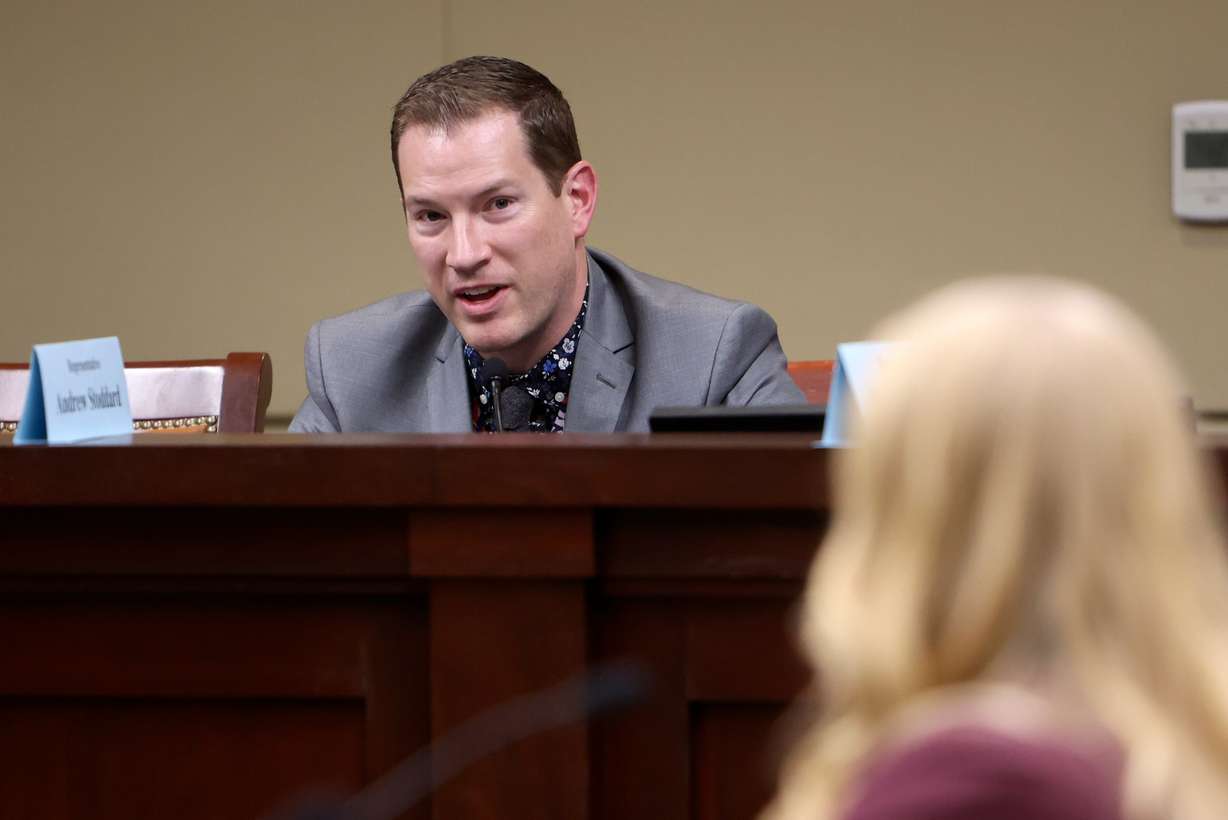
If ratified, HB106 would task the board with gathering and analyzing absenteeism data from each public K-12 school — including the percentage of chronically absent students and specifics about each student struggling to make it to class.
The board would then be required to publish the aggregated, anonymized chronic absenteeism data — while also analyzing root causes of chronic absenteeism such as socioeconomics, mental health factors, family issues and student disengagement.
And finally, the board would identify interventions and strategies to help get kids back in the classrooms.
Chronic absenteeism, said Stoddard, "is a huge problem for our students. What we know from the data is that kids who aren't in school are not graduating."
Stoddard said he and others consulted with school board members, juvenile justice officials, parents' rights groups and other stakeholders to best tackle chronic absenteeism.
"What they all said is, 'We really need to figure out what is the cause of this chronic absenteeism — and until we understand what the cause is, we can't really do much about it, because we're just going to be putting Band-Aids on and keep doing that forever."
Committee members agreed with Stoddard's argument: Something needs to be done about kids skipping school. But some called for some additional clarifying language in the bill.
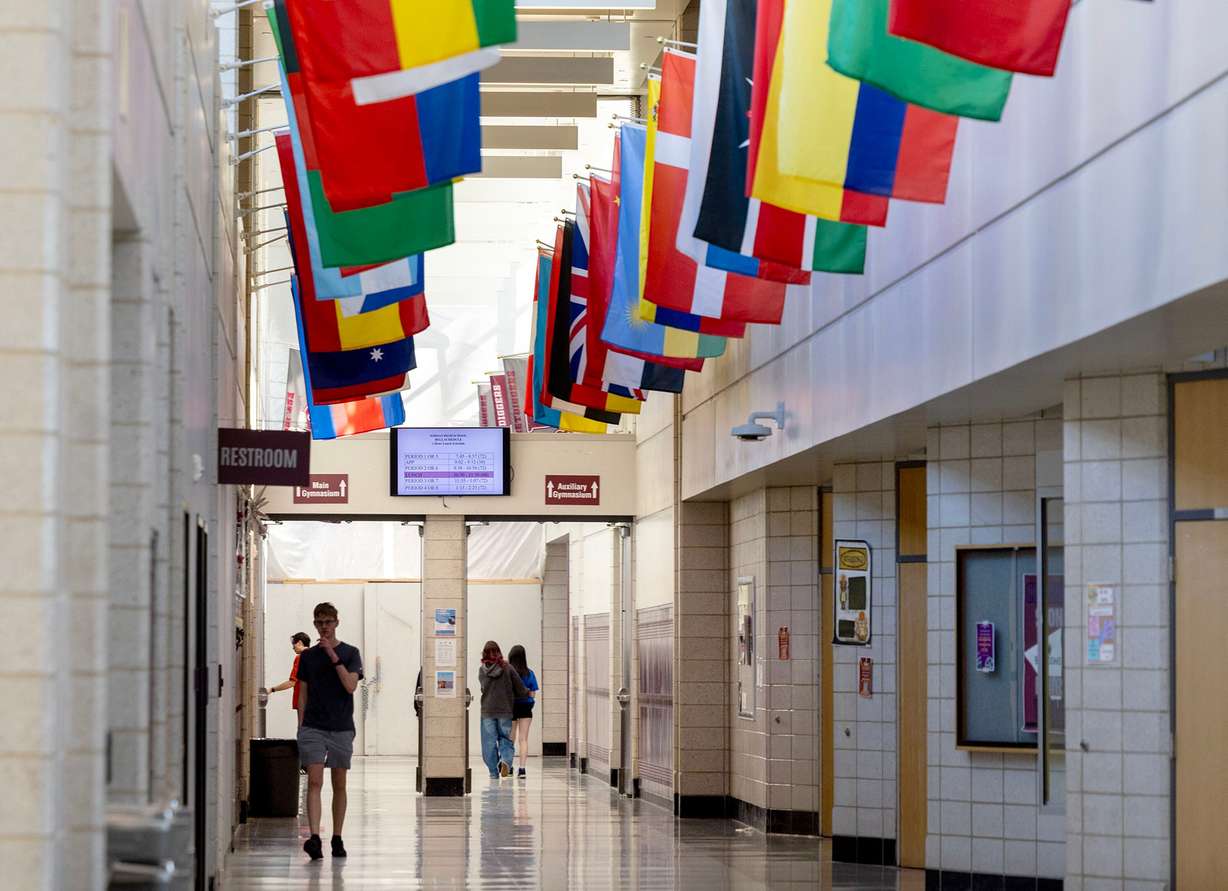
Stoddard said he was not "tied to the language … I'm tied to the issue." So for now, HB106 is on hold, awaiting modifications and collaboration with fellow lawmakers who are also working on the chronic absenteeism issue.
Calls for bipartisan cooperation to solve chronic absenteeism
Rep. Tiara Auxier, R-Morgan, saluted Stoddard's efforts to find solutions to chronic absenteeism, but noted that the education committee has held similar audits and other studies in recent years.
"So I'm wondering," she said, "why we need to do another (chronic absenteeism) study when we've already spent the time to do a deep dive with an audit."
Stoddard responded that a key part of his bill is bringing stakeholders together, identifying solutions and utilizing what's already working in different schools and districts.
"Until we have the groups working on them to know what is working, we're kind of stuck with just data."
Rep. Jason Thompson, R-River Heights, said that prior chronic absenteeism studies reveal that schools and districts measure absenteeism and tardiness in different ways. As a result, the data is inconsistent and unreliable.
Thompson added that he is co-sponsoring a similar school attendance measure, SB58, and he invited Stoddard to work with the sponsors of that legislation.
"There are a lot of things happening around all of us that are working in this space, and we just need to bring it together into one conversation," Thompson said.
"I'm committed to working with you to make sure that all aspects of this bill are included there. We're all rowing in the same direction — and I think we're going to make tremendous progress."
Stoddard said he's agreeable to working with the Republican sponsors of the similar Senate bill. "What matters is that we get the policy right — and that we're doing it in a way that's going to help students graduate and be successful."