'%3e%3cpath%20d='M34.1406%205.85938C30.3906%202.10547%2025.3047%200%2020%200C14.6953%200%209.60938%202.10547%205.85938%205.85938C2.10938%209.61328%200%2014.6953%200%2020C0%2025.3047%202.10547%2030.3906%205.85938%2034.1406C9.61328%2037.8906%2014.6953%2040%2020%2040C25.3047%2040%2030.3906%2037.8945%2034.1406%2034.1406C37.8906%2030.3906%2040%2025.3047%2040%2020C40%2014.6953%2037.8945%209.60938%2034.1406%205.85938ZM37.0117%2023.543H31.1602V13.5391H27.6328V19.9414C28.1211%2020.6914%2028.3711%2021.582%2028.3711%2022.5625V22.625C28.3711%2023.668%2028.1172%2024.6055%2027.6328%2025.4297V26.6094H36.082C33.4883%2032.9375%2027.2891%2037.3789%2020.0039%2037.3789C10.3711%2037.3789%202.62109%2029.6289%202.62109%2020C2.62109%2010.3711%2010.3711%202.62109%2020%202.62109C29.6289%202.62109%2037.3789%2010.3711%2037.3789%2020C37.3789%2021.1484%2037.2617%2022.2656%2037.0508%2023.3477C37.0391%2023.4141%2037.0234%2023.4766%2037.0117%2023.543Z'%20fill='white'/%3e%3cpath%20d='M22.3086%2018.5352C20.4336%2018.125%2019.9531%2017.8398%2019.9766%2017.1836V17.1406C19.9766%2016.6992%2020.3477%2016.2148%2021.4023%2016.2148C22.582%2016.2148%2023.8867%2016.6797%2025.0781%2017.4766L26.8516%2015.0195C25.4453%2013.8906%2023.707%2013.3398%2021.5547%2013.3398C18.5195%2013.3398%2016.4375%2015%2016.4063%2017.4766V17.5352C16.3633%2020.2617%2018.5859%2020.9805%2021.293%2021.6016C23.0391%2021.9766%2023.5703%2022.3164%2023.5703%2022.9609L23.5469%2022.9766C23.5469%2023.3906%2023.2578%2023.7031%2022.7852%2023.8359C22.5742%2023.9062%2022.1289%2023.9727%2021.5156%2023.9727C20.7617%2023.9727%2019.7539%2023.8633%2018.6328%2023.4844C18.0898%2023.2891%2017.4727%2023.0039%2016.8047%2022.6133L20.1406%2026.625C20.2813%2026.6602%2021.0977%2026.8516%2021.7734%2026.8516C25.0039%2026.8516%2027.0859%2025.2461%2027.1094%2022.6328V22.5703C27.1602%2020.1133%2025.2148%2019.1719%2022.3086%2018.5352Z'%20fill='white'/%3e%3cpath%20d='M5.24219%2013.5664V26.6133H8.75391V23.7578L10.2969%2021.9531L14.2031%2026.6133H18.3867L12.3555%2019.5195L17.4023%2013.5664H13.4531L8.75391%2019.0586V13.5664H5.24219Z'%20fill='white'/%3e%3c/g%3e%3cdefs%3e%3cclipPath%20id='clip0_97_2430'%3e%3crect%20width='40'%20height='40'%20fill='white'/%3e%3c/clipPath%3e%3c/defs%3e%3c/svg%3e)



- Sundance Film Festival's impact extends beyond films to meaningful post-screening conversations.
- Programmer John Nein highlights Park City's unique role in fostering filmmaker experiences and community.
- The Park City Legacy Program celebrates Sundance's history before it leaves Utah.
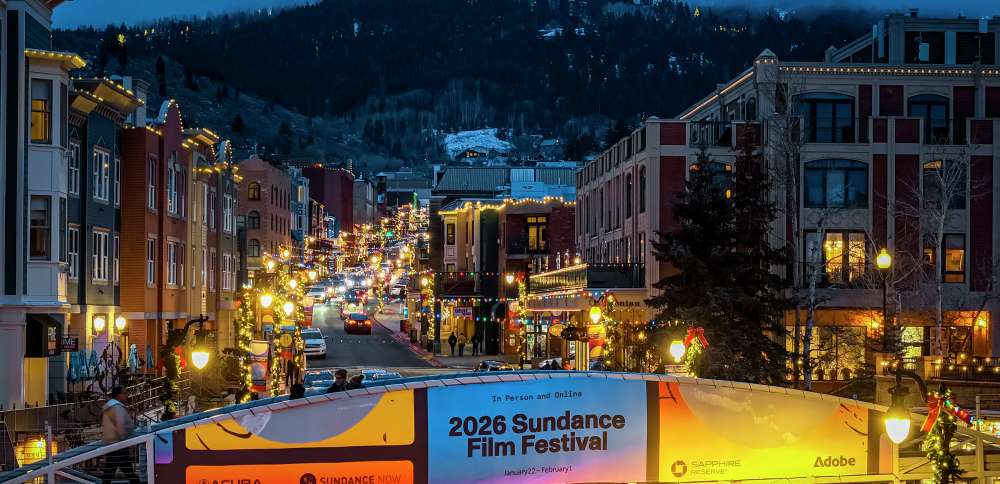
PARK CITY — While it may seem the main point of Sundance Film Festival is to watch films, the most important aspect of the event is the little moments of conversation that occur after the films are over, one head programmer says.
"The things we take away are maybe less the actual film itself, but the little moments that happen, the conversation that happens ... those things are very much a part of what's unique to the filmmaker experience in Park City," Sundance senior programmer John Nein said.
Nein first came to Sundance in 1996 and it "very dramatically changed the course of my life." To attend the festival, he shared an apartment with seven people and watched 23 films in five days. He was hooked and has been attending, and later working, for the Sundance Institute ever since.
While most of the thousands of films he has seen have started to blend together, he still remembers the movie "Once" from his first year as a programmer. Nein saw the John Carney film at a festival in Galway, Ireland. Then the film was brought to Sundance, where it won an Audience Award in 2007 and an Academy Award in 2008.
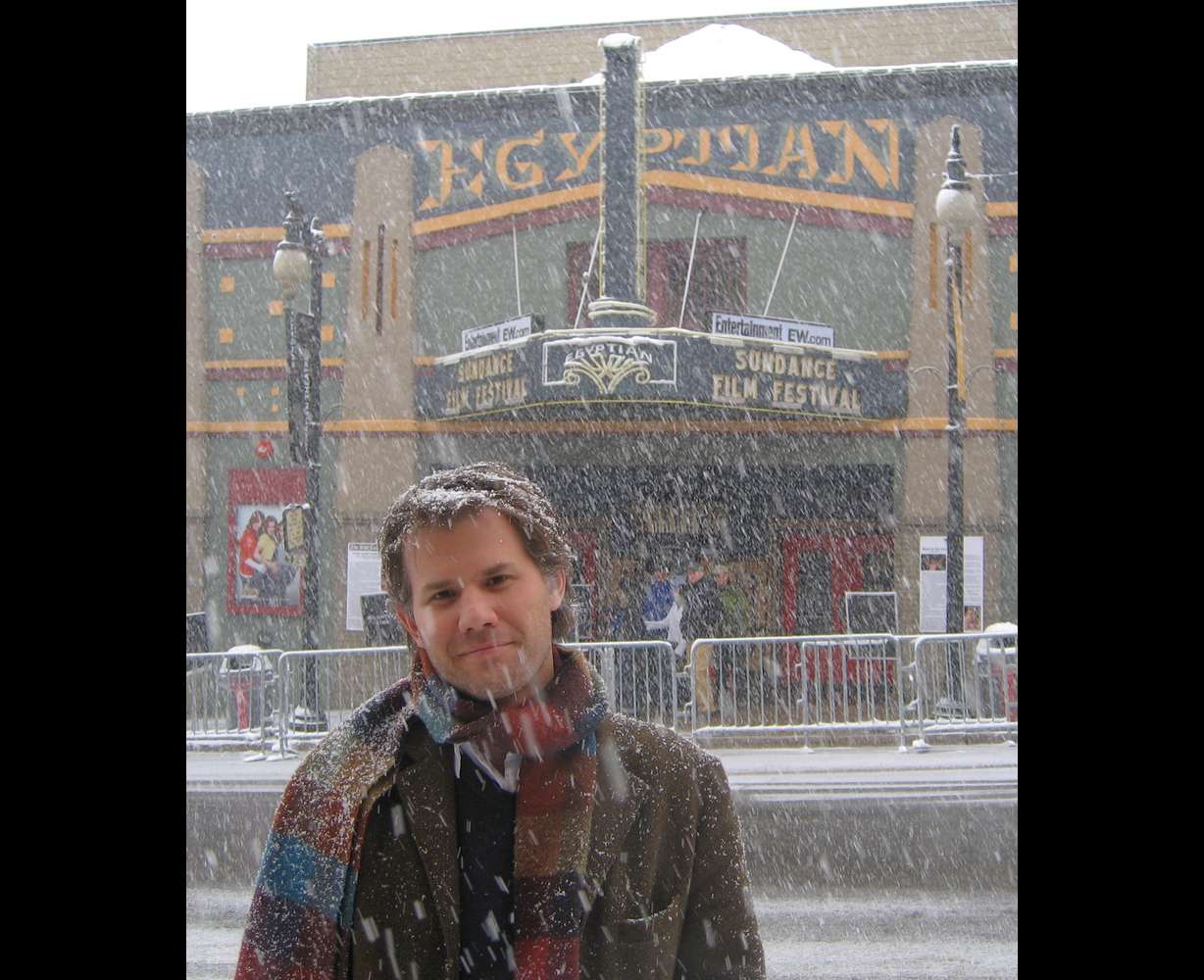
"It was the most direct connection that I've ever had to what becomes possible for artists who bring their work to Sundance. It was so meaningful to watch the work grow," he said.
Nearly two decades later, Nein continues to see the impact Sundance has on filmmakers. Just days ago he was standing in front of an audience during a panel for the movie "The Friend's House is Here" that was made by New York-based Iranian filmmakers "who literally risked their lives to make a movie."
Standing with them in front of an audience and knowing what the work meant to them felt like a full circle moment for Nein.
"This exists as an alternative. These films have something to say about the world. They shed light on people and places, and it's imperative there be a place (for that)," he said.
'Unparalleled' audiences
Nein was one of the head programmers tasked with developing the Park City Legacy Program, which is screening past Sundance films that have been restored as a celebration of the final festival in Utah.
Robert Redford, the late founder of Sundance Institute, was purposeful in choosing Park City to be the home of his Sundance Film Festival, Nein said. Redford loved Park City and wanted it to be a place artists could be pulled away from the distractions found in the film industry in Los Angeles and New York.
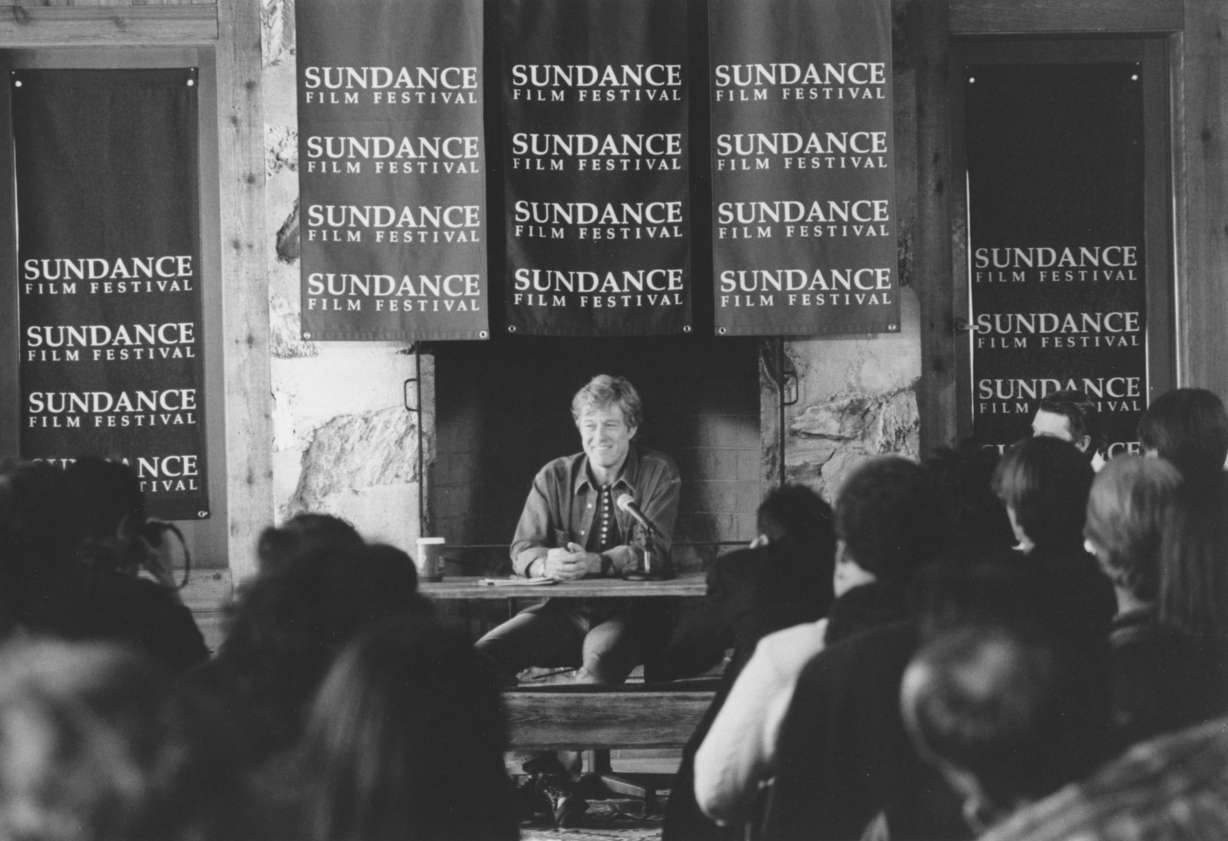
"I came here in 1996 at the time when you waited in line outside the box office at 6 a.m., and you froze for two hours waiting to buy tickets. It was not easy to get to, and I do think that's part of what made it work. You had to want to come here and want to stand in line to get tickets," he said.
Redford created a space where work that otherwise wouldn't have made it in the traditional film world could be shown to an audience, and filmmakers could find community, opportunity and collaboration, Nein said.
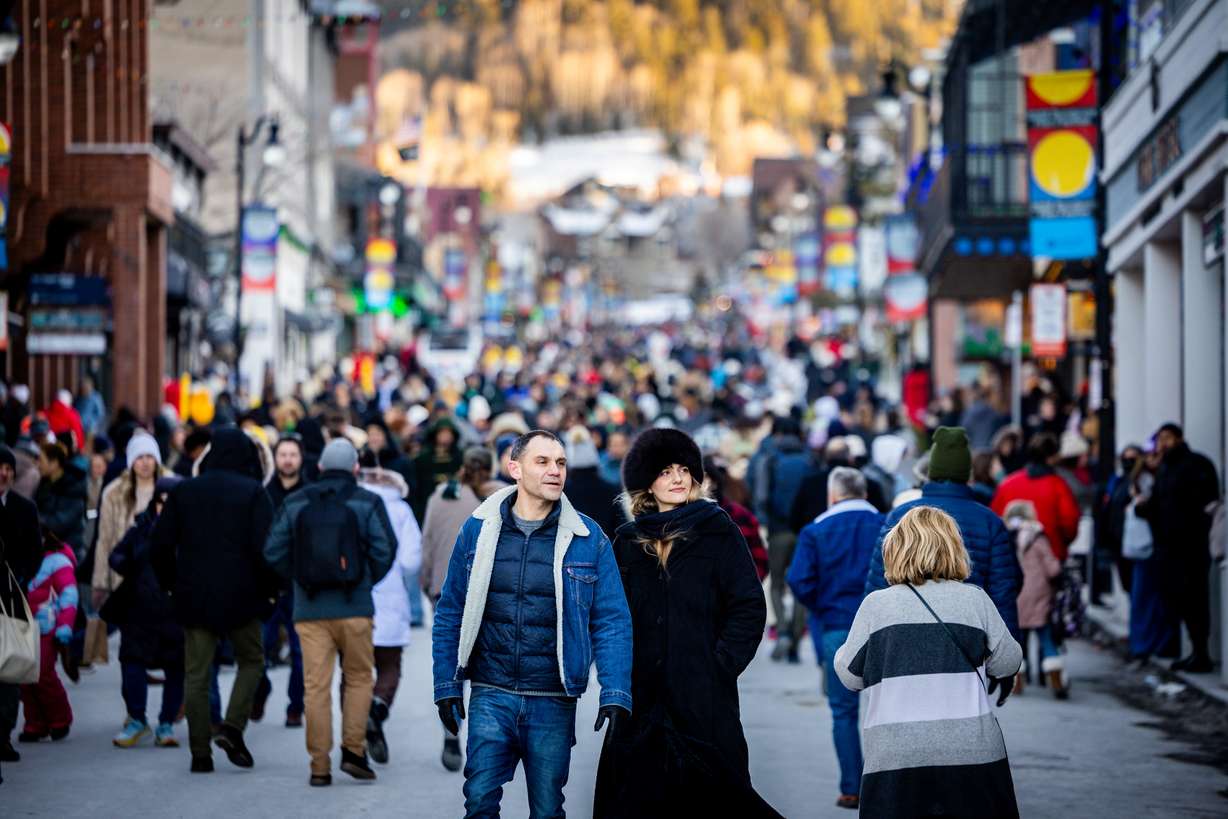
But what really sets Sundance apart are the conversations with community — the dozens of panels, talks, Q&As with directors and actors and even just bumping into each other in the crowded streets that bring people together to discuss stories and inspire old and new artists alike.
"The audiences here are just unparalleled. That is a combination of people who visit and the local audience, and we have seen how that local audience has grown over four decades. It really is part of what the experience is for the filmmakers to see their work play for an appreciative audience. It's really magical," he said.
The Park City Legacy Program promotes those "fantastic conversations" through connecting the audience with Sundance alumni, screening recently restored masterpieces and joining people together for live commentary and reflection.
"What has formed here over 43 years is community," Nein said. That community will be the part he misses most when the Sundance Film Festival moves to Boulder, Colorado.
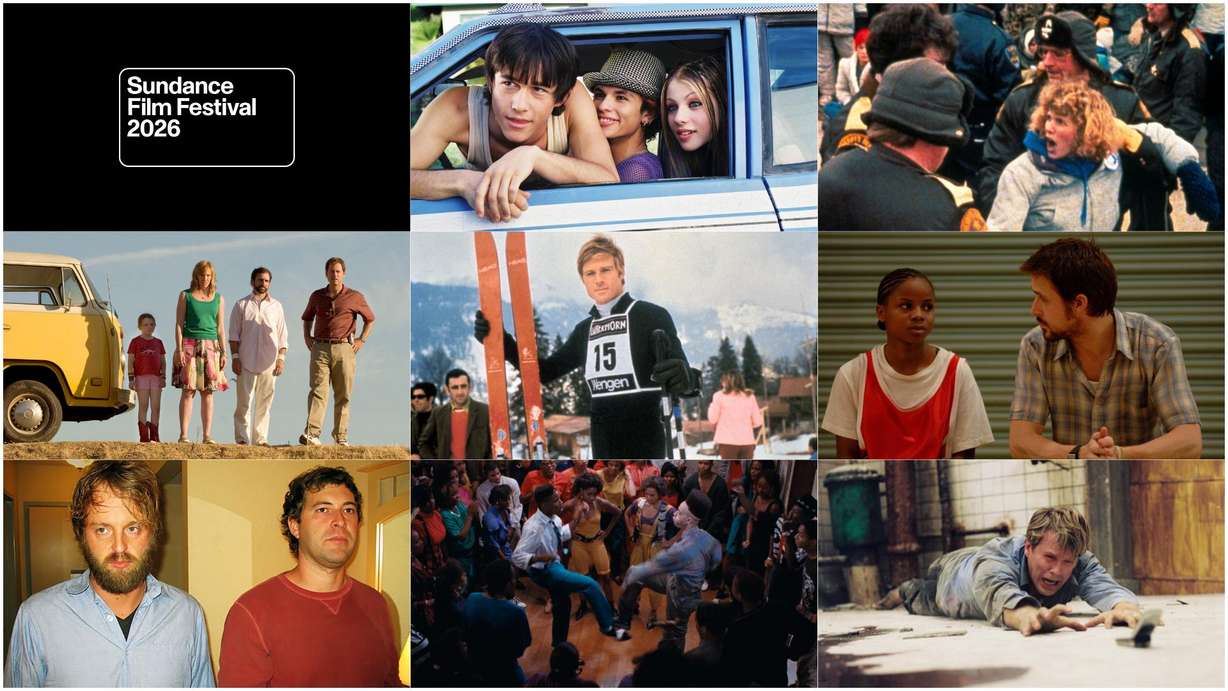
"Downhill Racer," Redford's first independent film that inspired the founding of the Sundance Institute, will be screened during the program. Nein said each year at the directors' brunch, Redford would tell the aspiring filmmakers about his experience trying to get the film made.
Redford would relate to the independent artists by showing that he went through the same experience of trying to get a movie funded and produced outside the typical industry process. He wanted the festival and institute to protect creative independence by nurturing those in that same position.
"Of all of the body of work, so many films he directed, made independently, so many that he appeared in, so many that related to environmental issues, there were many ways we could have honored his work, but this one made sense to us at the festival," he said.
Other archival screenings include "Little Miss Sunshine," "House Party," "Half Nelson," "American Dream," and "Saw." Some of them were chosen for anniversaries or to show off the new digital restoration of the films or to honor filmmakers who have made it big, such as Guillermo del Toro's first film "Cronus" and Joseph Gordon-Levitt's early role in "Mysterious Skin."
To conclude the festival will be "Everyone Has a Story: Four Decades of the Sundance Film Festival in Utah," held on Friday. Dubbed a "culmination event," the event celebrates the legacy of Redford and honors the community of Park City.
"They have been coming for 40 years. They've literally shaped this festival and this movement, and they're going to celebrate the legacy, tell their stories and share their memories," he said. "It's about honoring the vision and a community and a spirit that is still dragging this work forward."
From famous directors like Gregg Araki and Quentin Tarantino to actors such as Jennifer Lawrence, Amy Adams and Michael B. Jordan, Sundance has given artists a platform for discovery outside of the mainstream industry.
"You look back at their early film and it's an independent film, it's a film that wouldn't have been made in any other way. ... Those people went on to have extraordinary careers," Nein said.