Estimated read time: 4-5 minutes
- Weber County prosecutors want to use artificially replicated audio of Joyce Yost in the sentencing hearings of her killer, Douglas Lovell.
- The audio would be based on sworn testimony Yost provided before Lovell killed the South Ogden woman in 1985.
- If allowed, it would be one of the first times such technology has been used in a courtroom.
FARMINGTON — Ahead of a third attempt to apply the death penalty in the 1985 murder case of Douglas Lovell, Weber County prosecutors are trying something new — tapping artificial intelligence to replicate the voice of the victim, Joyce Yost.
If allowed, it would likely be one of the first times an artificially replicated voice has been used in a courtroom.
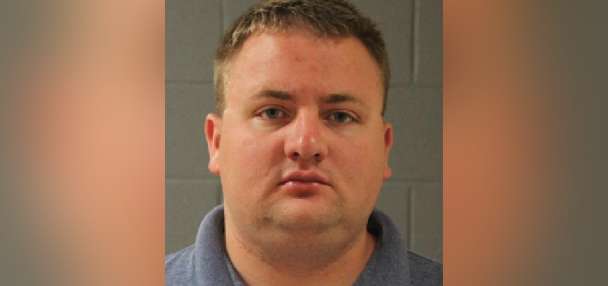
Lovell, now 67, murdered the South Ogden woman "to silence her and prevent her from testifying at his then upcoming jury trial on the charges of rape and aggravated kidnapping," reads a September motion on the proposal filed by the deputy Weber County attorney Branden Miles. "This motion seeks to give Joyce Yost back something the defendant took from her: Her voice against her rapist and killer."
The motion was the focus of a hearing on Wednesday in 2nd District Court in Farmington, but Judge Michael DiReda has yet to rule. Lovell's attorneys asked for more time to research the matter ahead of questioning the Weber County Prosecutor's Office official who helped produce the AI testimony, based on the transcript of testimony Yost provided prior to her killing.
"This is brand new," said David Ferguson, one of the attorneys representing Lovell, noting that the defendant's team is in the process of seeking an expert witness to help it understand the technology used. "That also prompts us to be a little more cautious."
Lovell was convicted in 2015 in Weber County of aggravated murder in the killing of Yost and sentenced to death. But the Utah Supreme Court last year vacated the sentence due to issues with some of the testimony provided during the sentencing phase of the case 10 years ago. As such, new sentencing hearings for Lovell are scheduled to begin Aug. 31 next year and go to Oct. 2, if necessary. Weber County prosecutors again seek the death penalty, and the two sides are engaged in the varied preparations ahead of the formal sentencing hearings.
Aside from questions about the potential use of Yost's artificially reproduced voice, Lovell's new attorneys need to get up to speed on the case. His prior attorney withdrew from the case last September due to an apparent breakdown in communication with Lovell, and now attorneys Julie George and Ferguson are representing Lovell.
It's been "very difficult" to get the paperwork in the case from Lovell's prior attorney, George told DiReda, and the documentation her team has received has been unorganized. "I don't know what the issue is," she said.
Sentencing was originally to have taken place next March, before the prior attorney, Colleen Coebergh, withdrew from the case.
'Though it was Joyce'
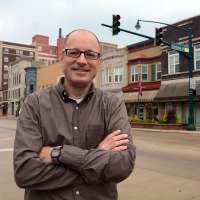
Jamie Pitt, a court technology specialist for Weber County, helped prepare Yost's artificially reproduced voice and took to the stand Wednesday to describe the process. Law enforcement officials had other recordings of Yost that they tapped to "train" the technology that produced the artificial audio testimony, from the transcript of sworn testimony Yost provided in a separate rape case.
Lovell was charged with raping and kidnapping Yost in April 1985 outside her home, and she provided testimony to prosecutors in that matter, before Lovell killed her the following August in what officials say was a bid to silence her.
Pitt said the technology is able to replicate the timing, tone and pitch of voices, even inflections. She said she played the artificially produced audio for Yost's two kids, who said it sounded like their mother. She also played it for an investigator in the case. "He thought it was Joyce," Pitt said.
Dave Cawley, KSLMiles demonstrated the audio, reading the questions that investigators posed to Yost as part of the inquiry into the rape case, followed by the artificially reproduced responses of the woman based on the transcript of her testimony. "He squoze my throat. He said, 'If you say one word I'm going to kill you," Yost's artificially produced voice said at one point.
Use of the audio, Miles said in the Sept. 30 motion seeking permission to use it, aims "to enhance juror comprehension and preserve the emotional and evidentiary weight of the victim's words."
After Wednesday's hearing, Miles said use of Yost's artificially reproduced voice, if allowed, would be a first in a U.S. courtroom, at least as witness testimony. "To my knowledge, we are the first to use it in this way," he said. The sides will continue the hearing on the use of the technology on Feb. 27 next year.
Lovell's case, more than 40 years old, has been long and circuitous.
The Clearfield man was sentenced to die for Yost's killing in 1993 and spent 17 years on death row. After years of appeals, the Utah Supreme Court allowed Lovell to withdraw that guilty plea in 2010, and a new trial was ordered. That led to his conviction in the case once again in 2015, and the second death sentence that was vacated last year. The aggravated murder conviction stands.