'%3e%3cpath%20d='M34.1406%205.85938C30.3906%202.10547%2025.3047%200%2020%200C14.6953%200%209.60938%202.10547%205.85938%205.85938C2.10938%209.61328%200%2014.6953%200%2020C0%2025.3047%202.10547%2030.3906%205.85938%2034.1406C9.61328%2037.8906%2014.6953%2040%2020%2040C25.3047%2040%2030.3906%2037.8945%2034.1406%2034.1406C37.8906%2030.3906%2040%2025.3047%2040%2020C40%2014.6953%2037.8945%209.60938%2034.1406%205.85938ZM37.0117%2023.543H31.1602V13.5391H27.6328V19.9414C28.1211%2020.6914%2028.3711%2021.582%2028.3711%2022.5625V22.625C28.3711%2023.668%2028.1172%2024.6055%2027.6328%2025.4297V26.6094H36.082C33.4883%2032.9375%2027.2891%2037.3789%2020.0039%2037.3789C10.3711%2037.3789%202.62109%2029.6289%202.62109%2020C2.62109%2010.3711%2010.3711%202.62109%2020%202.62109C29.6289%202.62109%2037.3789%2010.3711%2037.3789%2020C37.3789%2021.1484%2037.2617%2022.2656%2037.0508%2023.3477C37.0391%2023.4141%2037.0234%2023.4766%2037.0117%2023.543Z'%20fill='white'/%3e%3cpath%20d='M22.3086%2018.5352C20.4336%2018.125%2019.9531%2017.8398%2019.9766%2017.1836V17.1406C19.9766%2016.6992%2020.3477%2016.2148%2021.4023%2016.2148C22.582%2016.2148%2023.8867%2016.6797%2025.0781%2017.4766L26.8516%2015.0195C25.4453%2013.8906%2023.707%2013.3398%2021.5547%2013.3398C18.5195%2013.3398%2016.4375%2015%2016.4063%2017.4766V17.5352C16.3633%2020.2617%2018.5859%2020.9805%2021.293%2021.6016C23.0391%2021.9766%2023.5703%2022.3164%2023.5703%2022.9609L23.5469%2022.9766C23.5469%2023.3906%2023.2578%2023.7031%2022.7852%2023.8359C22.5742%2023.9062%2022.1289%2023.9727%2021.5156%2023.9727C20.7617%2023.9727%2019.7539%2023.8633%2018.6328%2023.4844C18.0898%2023.2891%2017.4727%2023.0039%2016.8047%2022.6133L20.1406%2026.625C20.2813%2026.6602%2021.0977%2026.8516%2021.7734%2026.8516C25.0039%2026.8516%2027.0859%2025.2461%2027.1094%2022.6328V22.5703C27.1602%2020.1133%2025.2148%2019.1719%2022.3086%2018.5352Z'%20fill='white'/%3e%3cpath%20d='M5.24219%2013.5664V26.6133H8.75391V23.7578L10.2969%2021.9531L14.2031%2026.6133H18.3867L12.3555%2019.5195L17.4023%2013.5664H13.4531L8.75391%2019.0586V13.5664H5.24219Z'%20fill='white'/%3e%3c/g%3e%3cdefs%3e%3cclipPath%20id='clip0_97_2430'%3e%3crect%20width='40'%20height='40'%20fill='white'/%3e%3c/clipPath%3e%3c/defs%3e%3c/svg%3e)


Estimated read time: 5-6 minutes
- Utah is facing a measles surge with 115 cases confirmed this year so far.
- Health experts emphasize vaccination, as herd immunity requires a 95% vaccination rate.
- Measles is highly contagious and can lead to severe complications in vulnerable groups.
SALT LAKE CITY — With calendars filled with holiday gatherings and 26 more residents diagnosed with measles within the last three weeks, Utah health experts are concerned that case counts may climb even higher than the current 115 confirmed so far this year.
State epidemiologist Dr. Leisha Nolen is pretty sure there are cases that haven't been included in the official count. It's concerning, she said, because Utah hasn't had this many measles cases in more than 30 years. Nationwide, the Centers for Disease Control and Prevention has confirmed 1,912 cases in 2025 — the highest number since the disease was considered eliminated here in 2000.
The U.S. could actually lose that declared status soon if any outbreak lasts more than 12 months. Canada recently lost its status as a country where measles was eradicated.
In Utah specifically, it doesn't help that measles was first seen largely in the southern part of the state near the Arizona border, but there have now been cases in central and northern Utah, too, according to the Utah Department of Health and Human Services' measles dashboard.
Thursday, during a media briefing, Nolen said that cases have been confirmed recently in Salt Lake, Davis, Utah and Wasatch counties, among others. And they're expecting to learn of more because measles is an incredibly contagious illness that can linger in the air for up to two hours.
If 20 people who were unvaccinated or never had measles were to be exposed, 18 of them would come down with measles, Nolen said. It's more contagious than the flu or COVID-19 or pretty much anything else.
A happy note, according to Nolen and Dorothy Adams, a Salt Lake County health expert speaking on behalf of the Utah Association of Local Health Departments, is that about 90% of Utah residents are vaccinated against measles. Tempering that is the fact that herd immunity requires a 95% vaccination rate. When enough people are vaccinated, it largely stops the spread, shielding those who for various reasons cannot be vaccinated, including very young babies, who Nolen described as very vulnerable.
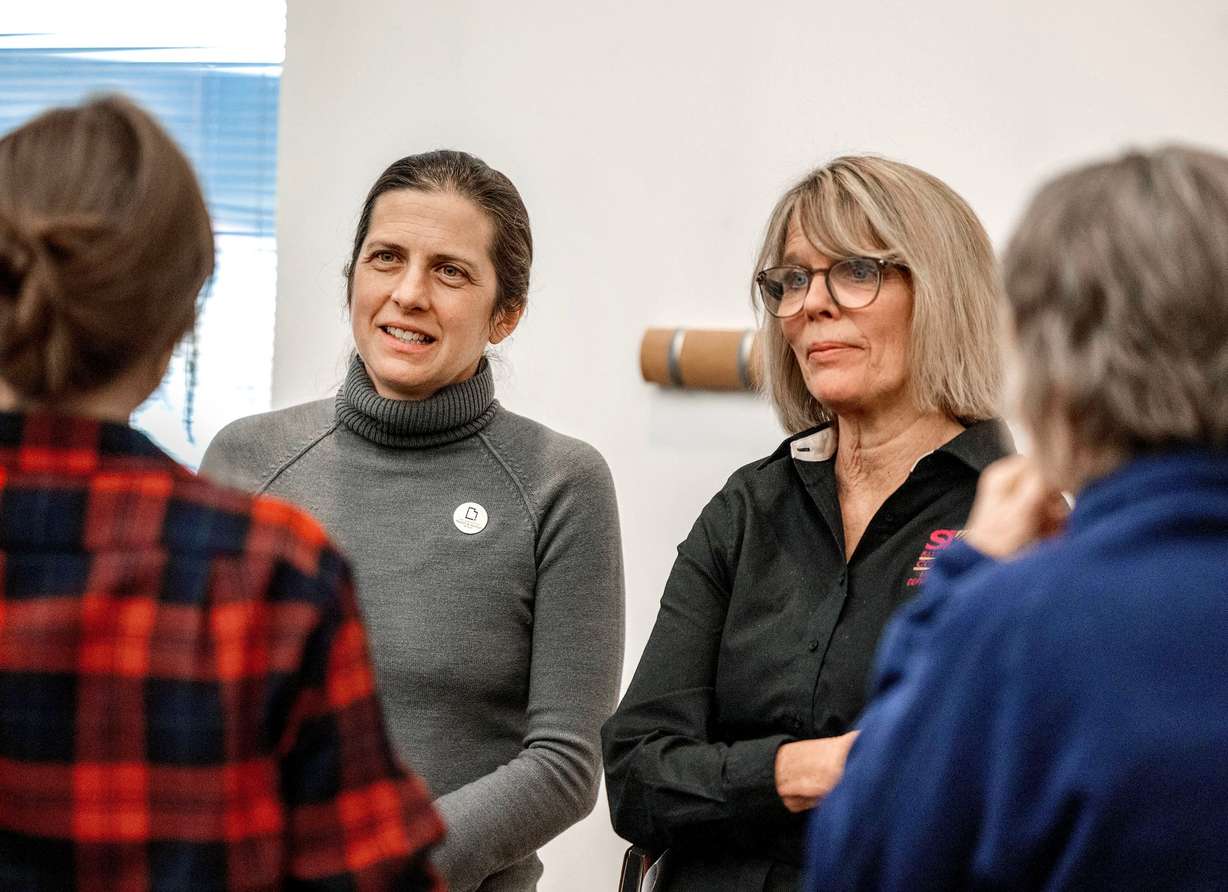
Nearly 70% of the cases have involved children, and the vast majority of those who have been infected have not been vaccinated, they said, though there were seven breakthrough cases where someone had at least partial vaccination and still got sick.
A miserable and maybe dangerous illness
Measles cases can be mild, but they aren't always. So far in Utah, 12 people have required hospitalization in 2025, according to the dashboard.
Those at highest risk of complications include children younger than 5, adults over 20, pregnant women and people with compromised immune systems.
The CDC said that complications range from common ills like ear infections, diarrhea and pneumonia — which is a common cause of deaths that can occur — to brain inflammation that can lead to permanent damage and a rare but fatal brain disease called subacute sclerosing panencephalitis that shows up years after someone apparently recovered from measles. Pregnant women can miscarry or deliver too soon or have low-birthweight babies. And complications for those with compromised immune systems, young children and adults over age 20 can include blindness and death.
Measles has a timeline of sorts. Typically people have a high fever, cough, runny nose and red watery eyes for a few days, then they develop little white spots inside their mouth two or three days after that. Between three and five days, usually, after symptoms begin, the familiar rash pops up, usually on the face at the hairline before moving down and covering the body.
Reducing risk of spread
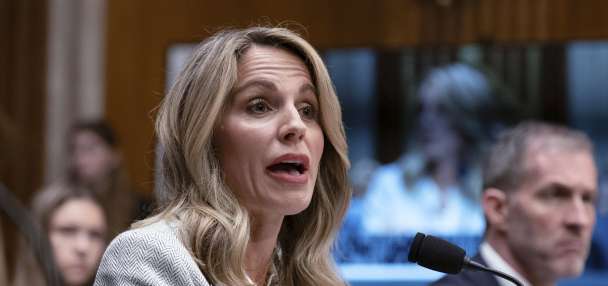
Earlier Thursday during a national briefing on vaccine schedules hosted by the National Press Foundation, Dr. Mona Amin, a board-certified pediatrician who founded PedsDocTalk, said the risk of the illness itself is not worth taking, given how well tolerated the vaccine is.
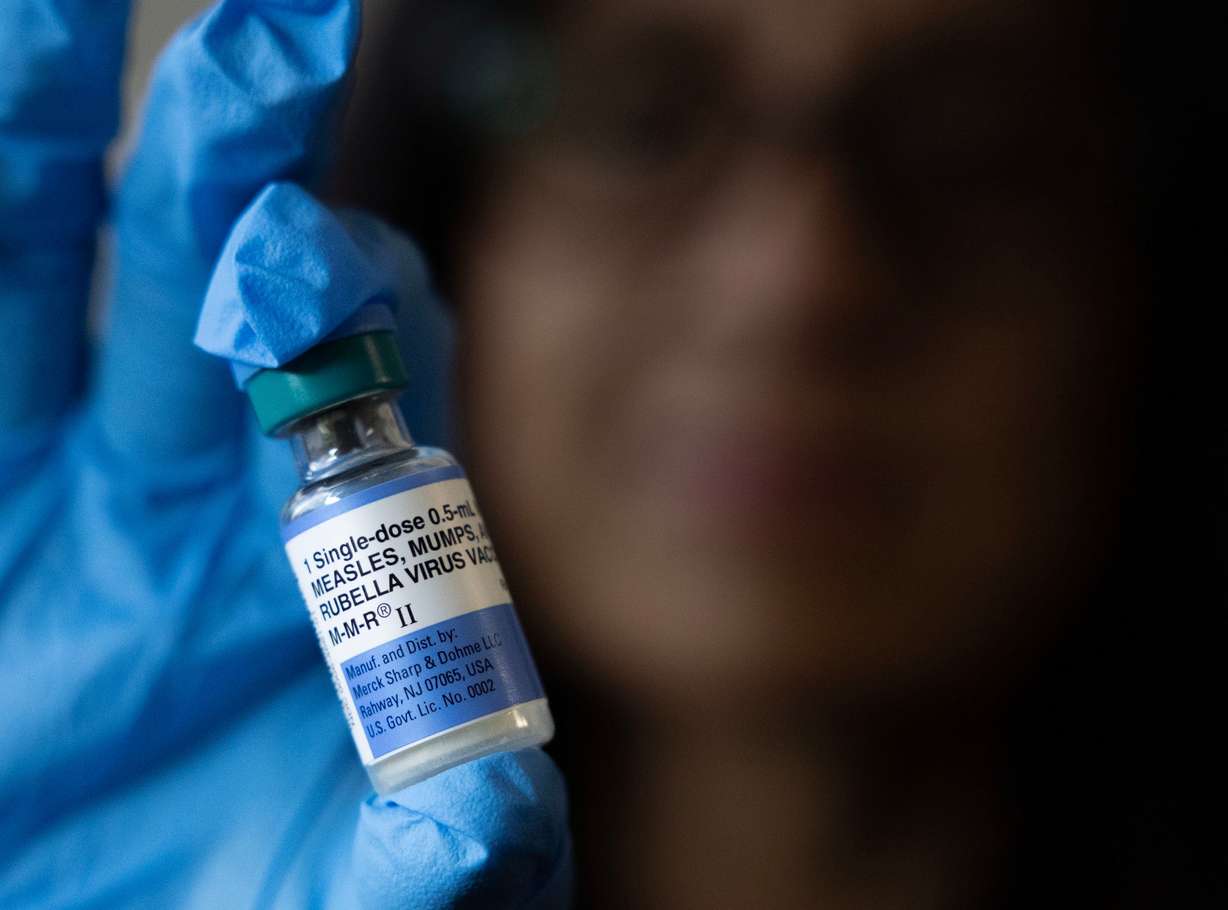
While vaccines were hailed as the best way to prevent the spread of measles — Nolen called it 95% effective and said it has a decades-long history of being safe with mild side effects — the briefing was also about other ways to stop the spread.
Call ahead if you think you're sick or were exposed was advice from both Adams and Nolen, who said that showing up in a doctor's office and waiting increases the likelihood that others in the waiting room could become infected.
That allows health care providers to take precautions to protect other patients.
The need to protect babies came up several times in the briefing, because babies don't usually qualify for that vaccine until they're at least a year old, though with so many cases around, Nolen said there's an option to get a baby vaccinated for measles at 6 months. In normal times, with little spread, she said that's not usually recommended, but she called it "reasonable" given the surge in cases. Those babies would also get a dose at the regular time, so it's an extra dose.
Others who are not vaccinated but are exposed can also get a measles vaccination, and if it's done within days, it can offer some protection and reduce the risk of serious illness, per Nolen.
Adams talked about contact tracing as a tool to stop the spread of measles, noting that the investigations are done to prevent spread. When a case is confirmed, health departments reach out to learn where the person had been with the goal of warning those who might have been exposed to watch for symptoms.
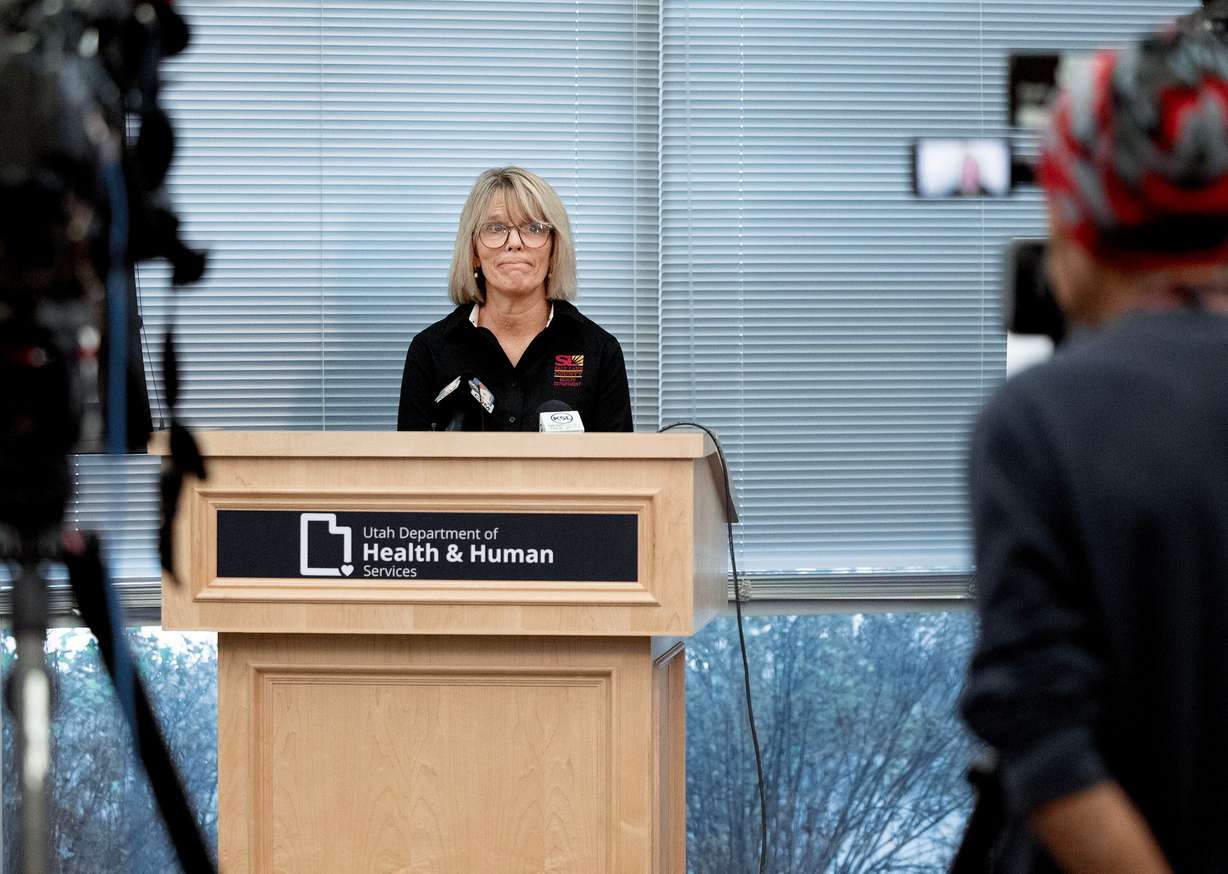
She acknowledged that people might be suspicious to receive a phone call from a stranger asking health questions, and encouraged anyone who isn't sure to call their local health department and verify that the person who called them works there.
She asked that people do that instead of letting worry prevent them from answering questions that could reduce spread.
Because many people don't suspect measles until they have the signature rash, there's not a big window to offer symptom-reducing treatment. So prevention is key, said Adams.

Related stories
Most recent Health stories
Related topics
 Lois M. Collins