'%3e%3cpath%20d='M34.1406%205.85938C30.3906%202.10547%2025.3047%200%2020%200C14.6953%200%209.60938%202.10547%205.85938%205.85938C2.10938%209.61328%200%2014.6953%200%2020C0%2025.3047%202.10547%2030.3906%205.85938%2034.1406C9.61328%2037.8906%2014.6953%2040%2020%2040C25.3047%2040%2030.3906%2037.8945%2034.1406%2034.1406C37.8906%2030.3906%2040%2025.3047%2040%2020C40%2014.6953%2037.8945%209.60938%2034.1406%205.85938ZM37.0117%2023.543H31.1602V13.5391H27.6328V19.9414C28.1211%2020.6914%2028.3711%2021.582%2028.3711%2022.5625V22.625C28.3711%2023.668%2028.1172%2024.6055%2027.6328%2025.4297V26.6094H36.082C33.4883%2032.9375%2027.2891%2037.3789%2020.0039%2037.3789C10.3711%2037.3789%202.62109%2029.6289%202.62109%2020C2.62109%2010.3711%2010.3711%202.62109%2020%202.62109C29.6289%202.62109%2037.3789%2010.3711%2037.3789%2020C37.3789%2021.1484%2037.2617%2022.2656%2037.0508%2023.3477C37.0391%2023.4141%2037.0234%2023.4766%2037.0117%2023.543Z'%20fill='white'/%3e%3cpath%20d='M22.3086%2018.5352C20.4336%2018.125%2019.9531%2017.8398%2019.9766%2017.1836V17.1406C19.9766%2016.6992%2020.3477%2016.2148%2021.4023%2016.2148C22.582%2016.2148%2023.8867%2016.6797%2025.0781%2017.4766L26.8516%2015.0195C25.4453%2013.8906%2023.707%2013.3398%2021.5547%2013.3398C18.5195%2013.3398%2016.4375%2015%2016.4063%2017.4766V17.5352C16.3633%2020.2617%2018.5859%2020.9805%2021.293%2021.6016C23.0391%2021.9766%2023.5703%2022.3164%2023.5703%2022.9609L23.5469%2022.9766C23.5469%2023.3906%2023.2578%2023.7031%2022.7852%2023.8359C22.5742%2023.9062%2022.1289%2023.9727%2021.5156%2023.9727C20.7617%2023.9727%2019.7539%2023.8633%2018.6328%2023.4844C18.0898%2023.2891%2017.4727%2023.0039%2016.8047%2022.6133L20.1406%2026.625C20.2813%2026.6602%2021.0977%2026.8516%2021.7734%2026.8516C25.0039%2026.8516%2027.0859%2025.2461%2027.1094%2022.6328V22.5703C27.1602%2020.1133%2025.2148%2019.1719%2022.3086%2018.5352Z'%20fill='white'/%3e%3cpath%20d='M5.24219%2013.5664V26.6133H8.75391V23.7578L10.2969%2021.9531L14.2031%2026.6133H18.3867L12.3555%2019.5195L17.4023%2013.5664H13.4531L8.75391%2019.0586V13.5664H5.24219Z'%20fill='white'/%3e%3c/g%3e%3cdefs%3e%3cclipPath%20id='clip0_97_2430'%3e%3crect%20width='40'%20height='40'%20fill='white'/%3e%3c/clipPath%3e%3c/defs%3e%3c/svg%3e)


Estimated read time: 5-6 minutes
- The outdoor recreation industry contributed $1.2 trillion to the U.S. GDP in 2023.
- This sector supports nearly a million jobs and generates $351 million daily.
- Recreation is economically competitive with traditional industries like farming and mining.
SALT LAKE CITY — When Doug Burgum framed public lands as "America's balance sheet" at his confirmation to become the secretary of the Interior this past January, the suggestion was not well received by all.
"The reaction to that from the conservation community or the environmental community was 'Oh, well, you can't put a price tag on these places,' or ... 'That's not what we should be doing — it's about these beautiful vistas,'" said Jessica Turner, president of the Outdoor Recreation Roundtable.
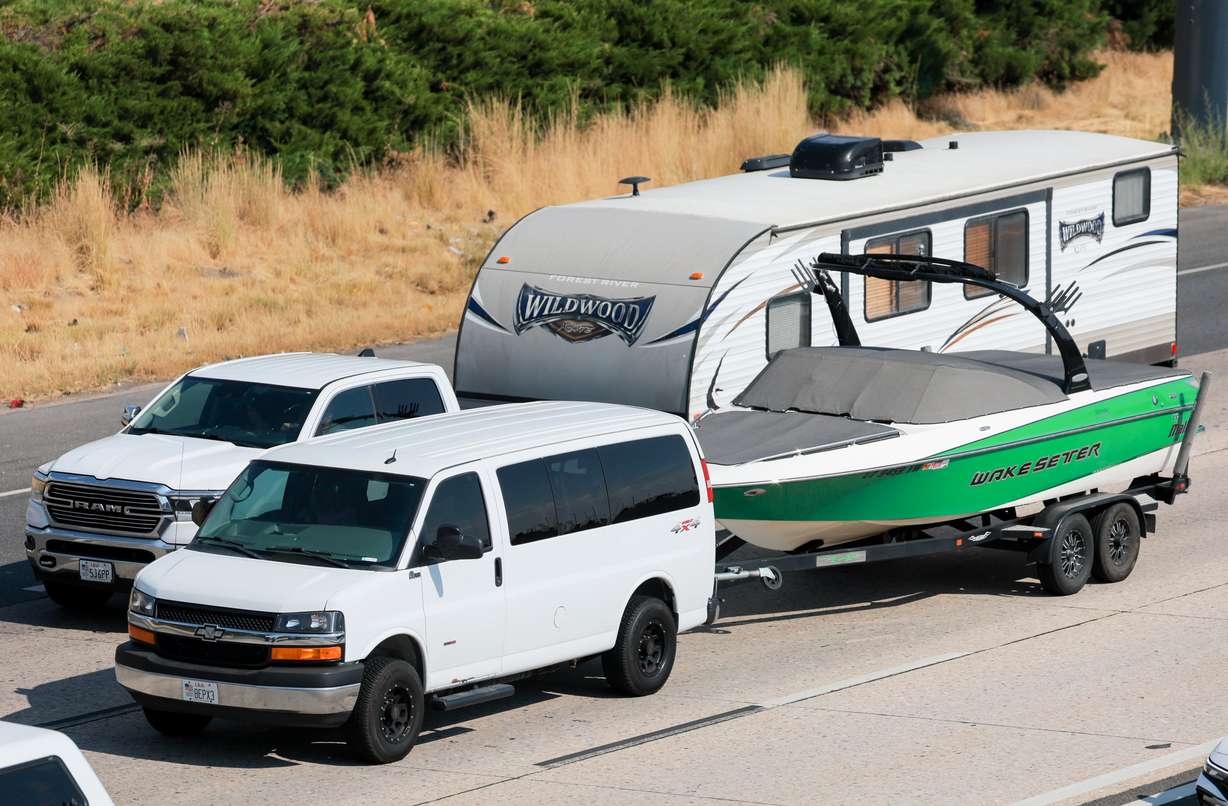
Her organization, referred to as ORR, is a broad coalition of outdoor recreation businesses and associations that come from nearly all subsets of the outdoor industry. One could say it represents the whole big tent of the industry, but Turner suggested that they'd also have to somehow include "yurt, glamp, lodge, RV," as well as boat slips and then find ways to include engines, too.
Its members are state recreation offices, boat and snowmobile manufacturers, tech companies as well as the likes of REI, Rivian, Boat U.S. and the American Mountain Guide Association. Even CHM Government Services and Booz Allen Hamilton are members.
Turner agrees that the intrinsic values of America's public lands matter, but she also believes wholeheartedly that the government should be assessing and aware of their full economic value. Instead of just focusing on natural resource extraction or other traditional economic drivers, however, her organization is shining a light on just how valuable the public appreciation of that intrinsic value is for the federal economy.
"Of course it is (about the vistas), right?" she said. "But we do quantify things ... so let's measure it."
According to ORR's latest published research based on federal data, the outdoor recreation industry was worth $1.2 trillion in 2023, the most recent available data. That's 2.3% of the U.S. gross domestic product.
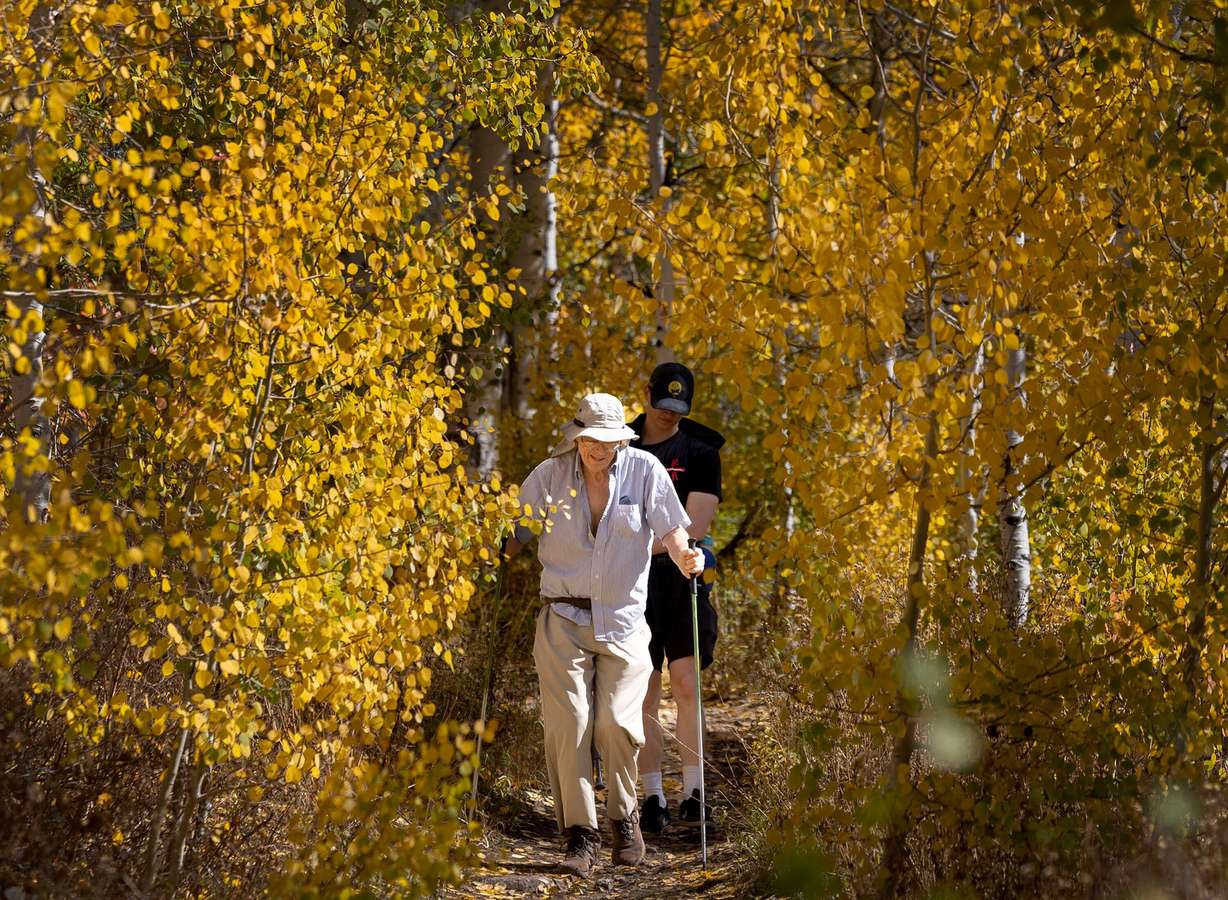
Just the excise taxes on things like fuel and gas for ATVs, boats and purchasing the wide variety of required equipment brought in approximately $6 billion to the federal government's purse that year.
For context, that means the outdoor recreation economy is larger than that of farming or mining. And it's not that far from the oil and gas industry, either. That market was worth $1.55 trillion in 2024 and is approaching $1.6 trillion this year, according to Towards Chem & Materials' last report.
When the numbers are broken out to focus just on the money spent on public lands and waterways, their scale becomes clear. On public lands alone, the sector generates $128 billion a year. Recreational visitors fork over $72 billion directly to the federal government, with $27 billion spent at national parks, another $12 billion on U.S. Forest Service land and $6.2 on Bureau of Land Management land.
That total spending supports nearly a million jobs and adds $351 million a day to the U.S. economy. Which is "equivalent to hosting eight Super Bowls every month in economic impact," reads the ORR Report.
ORR believes that such numbers suggest that recreation is an economically competitive use of public lands, even when juxtaposed to natural resource extraction. Particularly in light of the various efforts to use federal property as a means to drive revenue against the rising federal deficit — the "One Big Beautiful Bill" includes a multitude of relevant statutes or Sen. Mike Lee's efforts to sell off public lands — those significant figures provide tactile context to better assess the relative values of all uses of the country's wild spaces.
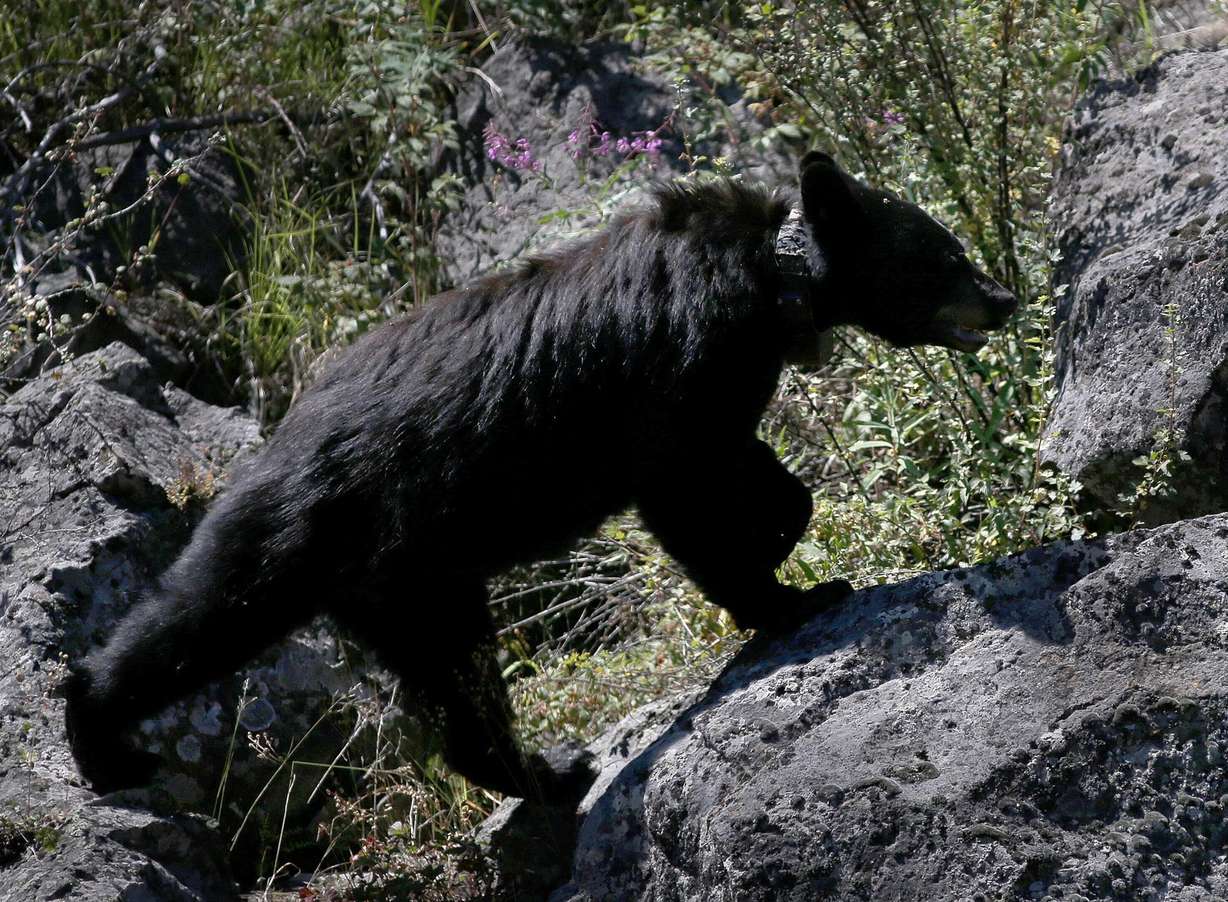
A similar approach of determining the actual monetary value of natural experiences was undertaken by the National Park Service and U.S. Geological Survey in a different study, where researchers determined an actual dollar value for the worth of a bear sighting. It's more than one would think.
In both cases, when land and wildlife are left alone so Americans can recreate in the myriad ways they like to, they drive an awful lot of revenue for both the public and the private sector.
"We can't just say, 'Oh, there's intrinsic value.' Yes, there is, but what does that get for us? It hasn't gotten us very far," Turner said. "There's real economic value. And it's not just economic value to the communities and the (recreation) economy, but it's to the federal government also."
Public lands do offer life-changing experiences for people just by being what they are, sure, but, Turner said, that they also are one of the country's "greatest investments in people and communities."
"When we care for these special places and keep them public, they give back tenfold — fueling local economies, strengthening rural businesses, improving public health, and connecting us to our shared outdoor heritage," she said.
Where do the numbers come from?
In 2016, Congress passed the Outdoor Recreation Jobs and Economic Impact Act. The bill directed the Department of Commerce to work with the Department of Agriculture and the Department of the Interior to conduct a thorough review of the outdoor recreation economy and the attributable effects it has on the overall economy.
The studies were ultimately done by the Bureau of Economic Analysis, which has data going back to 2012.
ORR bases its research on the information provided by that data and uses the "gross output" numbers from the studies. That term is defined as "all sales of goods and services, including those for intermediate inputs and those to final users." It further defines that for the outdoor industry as representing the "sales of both intermediate and final goods and services like buckles, backpacks, reels, fishing rods, steering wheels, ATVs, guided trips, and many others."
Read the full report at Deseret News.