Estimated read time: 3-4 minutes
- The Clearfield Police Department has launched a mental health officer program for crisis intervention.
- A dedicated detective will focus on mental health cases by connecting individuals with long-term resources.
- The program, funded by the Utah Legislature, aims to reduce repeat calls and build community trust.
CLEARFIELD — The Clearfield Police Department is launching a new mental health officer program aimed at giving people in crisis the kind of help that goes beyond a single 911 call.
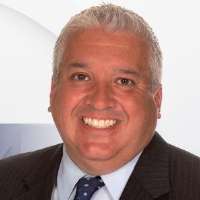
Chief Kelly Bennett said it's something the department has been considering for a long time, but thanks to support from the Utah Legislature, the department now has the resources to put it in place.
"Over the past several years, we have seen an increase in our response to mental health crisis calls," Bennett said. "So, we thought of a model that we could do where we could assign a detective to become more specialized in training and in responding to mental health crisis."
The new program means a detective will focus entirely on mental health-related cases.
Every day, the detective will review any incident in the city with a mental health component, follow up with the people involved and work to connect them with long-term resources.
The goal, Bennett said, is early intervention and deescalation to not only prevent a crisis from becoming a criminal case, but also to reduce the number of times officers are called back to the same individuals or situations.
That, in turn, could save taxpayer dollars and free up officers for other calls.
"We see it all the time where we go, and we address the situation. Then, if they commit a crime, they go to jail, then they get out, or they are referred to some type of resource and they don't follow through with it," Bennett said. "We want to be that connection to help them follow up on their mental health appointments or any resources that they have."
Related:

Behavioral health in Utah has critical gaps amid growing demand
Utah has a behavioral health master plan designed to make sure the mental health needs of young and old, urban and rural are all well served. It's a daunting challenge.The program has only just begun, but Bennett said the department has already seen the difference it can make.
"Our detective immediately responded over to this apartment," he said of a recent call involving a man in crisis. "And they had a conversation, and we provided him with some resources and we prevented him from probably doing something that would affect many lives in his family. And so, we believe, as we continue through this program, that's just the beginning of some of the success stories we see with this program."
For Bennett, the follow-up component is what matters most.
He believes consistent contact can help community members see officers not as enforcers looking to make arrests, but as partners who can connect them with real help.
The detective will also receive advanced mental health training and then use that expertise to help train others in the department, strengthening Clearfield's overall response to these kinds of calls.
The program is funded for two years by a grant from the Legislature.
After that, the department will evaluate its results and determine whether to continue or expand the effort.
"There are a lot of acute behavioral needs in our community and we want to be able to provide that resource," Bennett said. "And when we have that, it builds trust with the detective and in our community, and we feel that builds better relationships."