'%3e%3cpath%20d='M34.1406%205.85938C30.3906%202.10547%2025.3047%200%2020%200C14.6953%200%209.60938%202.10547%205.85938%205.85938C2.10938%209.61328%200%2014.6953%200%2020C0%2025.3047%202.10547%2030.3906%205.85938%2034.1406C9.61328%2037.8906%2014.6953%2040%2020%2040C25.3047%2040%2030.3906%2037.8945%2034.1406%2034.1406C37.8906%2030.3906%2040%2025.3047%2040%2020C40%2014.6953%2037.8945%209.60938%2034.1406%205.85938ZM37.0117%2023.543H31.1602V13.5391H27.6328V19.9414C28.1211%2020.6914%2028.3711%2021.582%2028.3711%2022.5625V22.625C28.3711%2023.668%2028.1172%2024.6055%2027.6328%2025.4297V26.6094H36.082C33.4883%2032.9375%2027.2891%2037.3789%2020.0039%2037.3789C10.3711%2037.3789%202.62109%2029.6289%202.62109%2020C2.62109%2010.3711%2010.3711%202.62109%2020%202.62109C29.6289%202.62109%2037.3789%2010.3711%2037.3789%2020C37.3789%2021.1484%2037.2617%2022.2656%2037.0508%2023.3477C37.0391%2023.4141%2037.0234%2023.4766%2037.0117%2023.543Z'%20fill='white'/%3e%3cpath%20d='M22.3086%2018.5352C20.4336%2018.125%2019.9531%2017.8398%2019.9766%2017.1836V17.1406C19.9766%2016.6992%2020.3477%2016.2148%2021.4023%2016.2148C22.582%2016.2148%2023.8867%2016.6797%2025.0781%2017.4766L26.8516%2015.0195C25.4453%2013.8906%2023.707%2013.3398%2021.5547%2013.3398C18.5195%2013.3398%2016.4375%2015%2016.4063%2017.4766V17.5352C16.3633%2020.2617%2018.5859%2020.9805%2021.293%2021.6016C23.0391%2021.9766%2023.5703%2022.3164%2023.5703%2022.9609L23.5469%2022.9766C23.5469%2023.3906%2023.2578%2023.7031%2022.7852%2023.8359C22.5742%2023.9062%2022.1289%2023.9727%2021.5156%2023.9727C20.7617%2023.9727%2019.7539%2023.8633%2018.6328%2023.4844C18.0898%2023.2891%2017.4727%2023.0039%2016.8047%2022.6133L20.1406%2026.625C20.2813%2026.6602%2021.0977%2026.8516%2021.7734%2026.8516C25.0039%2026.8516%2027.0859%2025.2461%2027.1094%2022.6328V22.5703C27.1602%2020.1133%2025.2148%2019.1719%2022.3086%2018.5352Z'%20fill='white'/%3e%3cpath%20d='M5.24219%2013.5664V26.6133H8.75391V23.7578L10.2969%2021.9531L14.2031%2026.6133H18.3867L12.3555%2019.5195L17.4023%2013.5664H13.4531L8.75391%2019.0586V13.5664H5.24219Z'%20fill='white'/%3e%3c/g%3e%3cdefs%3e%3cclipPath%20id='clip0_97_2430'%3e%3crect%20width='40'%20height='40'%20fill='white'/%3e%3c/clipPath%3e%3c/defs%3e%3c/svg%3e)


- Weber State's Wildcat Collective held an "uncensored" conference on censorship Sept. 26.
- The event followed organizers' cancellation of the original conference due to policy.
- Speakers criticized the administration's decision, citing political pressure and legislative changes.
OGDEN — The Wildcat Collective, a union for Weber State faculty and staff, sponsored an alternative Unity Conference on Tuesday, following the cancellation earlier this week of the original event, which focused on censorship.
Despite the rain, students, faculty and staff gathered outside to hear speakers discuss censorship, the political climate surrounding free speech and book-banning, and their disappointment with the university's decision not to allow certain topics of discussion.
Outside the Stewart Library, speakers who had been scheduled for the official conference spoke to the crowd gathered under umbrellas.
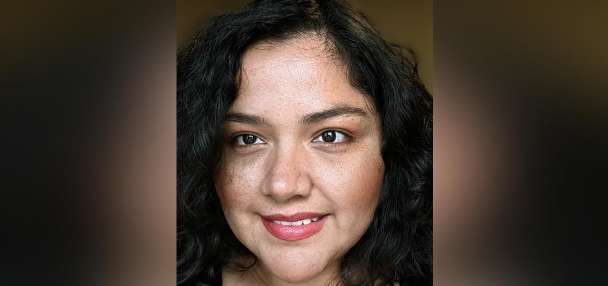
"I'm a proud Weber State alumna," said Stacy Bernal, who ran for the state Senate in 2024. "We are standing outside in the rain on what should have been the 27th annual conference," she said. "And I am old enough to remember when it was called the diversity conference."
"We need to continue to fight back, what is happening is wrong, and the people who are in positions of power, they all need to be pushing back with us," Bernal continued.
Conference cancellation
The originally planned conference, "Redacted: Navigating the Complexities of Censorship," would have included a screening of the documentary "Banned Together," which examined censorship and the fight to protect intellectual freedom, followed by a student panel discussion with audience participation. The second day would have included a panel discussion with what the committee said would be "faculty, staff and community voices," followed by workshops.
The conference, however, was canceled due to recent shifts in diversity initiatives at colleges and universities in Utah, brought on by new legislation. Event organizers canceled the event after some presenters backed out over "conflicting guidance on presentation topics and programming guidelines," a school spokeswoman said on Friday.
"Presentations should not describe legislation or policies in ways that take a side, such as labeling them 'harmful' or attributing them to a partisan 'strategy,'" Jessica Oyler, vice president of student access and success at Weber State, said in an email sent to the conference committee. Oyler said the email was intended to provide clarity on the law that took effect July 1, 2024, that requires the elimination of diversity, equity and inclusion programs at all public institutions, including universities, public schools and other government entities.
"The intent here is not to suggest that operating this way is ideal, as I know there are strong feelings about the legislation itself, but rather to be transparent about how we are operationalizing the law."
The 2024 Utah law reshaped diversity initiatives in the state's higher education programs, which defines and prohibits policies and procedures related to personal identity characteristics.
Staff members speak out at informal event
Elizabeth Sandquist, speaking on her own behalf, offered a discussion of censorship in the scientific community.
Sandquist defined censorship in science as "any time that research ideas are obstructed for a reason other than scientific merit." She explained that this can take the form of government policies, such as the 2001 federal ban on funding for embryonic stem cell research, which prevented the creation of new stem cell lines using government funds.
"A lot of what we call censorship has to do with pro-social motive, trying to keep people safe, but there are situations where it is hard to know whether or not it's appropriate to share information, and so I'm not here to say we should or should not research on a certain area, but just that it's complicated," she said.
Also speaking on her own behalf, historian Leah LaGrone asserted that the current controversy over academics isn't new. "This is not a new phenomenon labeling us as academics, as deviants or indoctrinators," LaGrone said. She added, "When you study the things that I study, it's wild for me to go back into the archives and see the same conversations that we're having today happened in the 1800s, late 1800s, early 1900s — the exact same conversations and the same arguments between conservatives and liberals."
Along with faculty, there were several students in attendance. Riker Bailey, a geography student, spoke about visiting a concentration camp in Munich, Germany, and how it affected him.
"I was wanting to attend the conference before it got canceled, because you need to be involved in the conversation out there," Bailey said. "I feel like instead of reading articles, and having an opinion, I need to be out there, have a voice and form an opinion."
Izzie Palmer, a nursing student, wanted to attend the event to further her education in political science. She felt it was essential to learn about censorship and was disappointed with her firsthand experience at the event.
"We can see how it's getting censored, not being able to get a classroom and standing outside," she said. "And this is a prime example of why we came here and what this is about."
The event was interrupted several times by Weber State officials, who expressed concern about the safety of the group due to the lightning and rain. Members of the crowd reacted vocally to those concerns, stating they were not allowed inside. Although a room was ultimately provided for shelter, organizers informed the attendees that the conference could not continue while indoors. Following a brief break, the group moved back outside to resume the event, but not before more rain and lightning forced them to end the event early due to safety concerns.
"The whole reason the censorship happened, the reason that we had to cancel, is because the university administration is driven by fear, and it's a fear that someone at the event, whether it's me or someone else, was going to say something that would anger a powerful Republican legislator who would then seek some kind of action against the university," Richard Price said.
Price, a professor of political science at Weber State and scheduled speaker at the original event, described the school administration's actions as "an act of political appeasement," noting that attempts to anticipate potential critics are ultimately futile. "What (the administration) doesn't understand is the type of legislator that's going to get mad can't be anticipated … so in attempting to silence people beforehand, they are just giving in to what they want. What they want is us not to complain, not to talk about this."
Price was scheduled to conclude the event, but with the early cancellation of the event, the Wildcat Collective announced there will be a "more organized" follow-up event for the speakers who were unable to attend or speak due to weather.
Correction: A previous version said Weber State canceled the original conference. A school spokesman said Friday event organizers canceled it.