'%3e%3cpath%20d='M34.1406%205.85938C30.3906%202.10547%2025.3047%200%2020%200C14.6953%200%209.60938%202.10547%205.85938%205.85938C2.10938%209.61328%200%2014.6953%200%2020C0%2025.3047%202.10547%2030.3906%205.85938%2034.1406C9.61328%2037.8906%2014.6953%2040%2020%2040C25.3047%2040%2030.3906%2037.8945%2034.1406%2034.1406C37.8906%2030.3906%2040%2025.3047%2040%2020C40%2014.6953%2037.8945%209.60938%2034.1406%205.85938ZM37.0117%2023.543H31.1602V13.5391H27.6328V19.9414C28.1211%2020.6914%2028.3711%2021.582%2028.3711%2022.5625V22.625C28.3711%2023.668%2028.1172%2024.6055%2027.6328%2025.4297V26.6094H36.082C33.4883%2032.9375%2027.2891%2037.3789%2020.0039%2037.3789C10.3711%2037.3789%202.62109%2029.6289%202.62109%2020C2.62109%2010.3711%2010.3711%202.62109%2020%202.62109C29.6289%202.62109%2037.3789%2010.3711%2037.3789%2020C37.3789%2021.1484%2037.2617%2022.2656%2037.0508%2023.3477C37.0391%2023.4141%2037.0234%2023.4766%2037.0117%2023.543Z'%20fill='white'/%3e%3cpath%20d='M22.3086%2018.5352C20.4336%2018.125%2019.9531%2017.8398%2019.9766%2017.1836V17.1406C19.9766%2016.6992%2020.3477%2016.2148%2021.4023%2016.2148C22.582%2016.2148%2023.8867%2016.6797%2025.0781%2017.4766L26.8516%2015.0195C25.4453%2013.8906%2023.707%2013.3398%2021.5547%2013.3398C18.5195%2013.3398%2016.4375%2015%2016.4063%2017.4766V17.5352C16.3633%2020.2617%2018.5859%2020.9805%2021.293%2021.6016C23.0391%2021.9766%2023.5703%2022.3164%2023.5703%2022.9609L23.5469%2022.9766C23.5469%2023.3906%2023.2578%2023.7031%2022.7852%2023.8359C22.5742%2023.9062%2022.1289%2023.9727%2021.5156%2023.9727C20.7617%2023.9727%2019.7539%2023.8633%2018.6328%2023.4844C18.0898%2023.2891%2017.4727%2023.0039%2016.8047%2022.6133L20.1406%2026.625C20.2813%2026.6602%2021.0977%2026.8516%2021.7734%2026.8516C25.0039%2026.8516%2027.0859%2025.2461%2027.1094%2022.6328V22.5703C27.1602%2020.1133%2025.2148%2019.1719%2022.3086%2018.5352Z'%20fill='white'/%3e%3cpath%20d='M5.24219%2013.5664V26.6133H8.75391V23.7578L10.2969%2021.9531L14.2031%2026.6133H18.3867L12.3555%2019.5195L17.4023%2013.5664H13.4531L8.75391%2019.0586V13.5664H5.24219Z'%20fill='white'/%3e%3c/g%3e%3cdefs%3e%3cclipPath%20id='clip0_97_2430'%3e%3crect%20width='40'%20height='40'%20fill='white'/%3e%3c/clipPath%3e%3c/defs%3e%3c/svg%3e)



This archived news story is available only for your personal, non-commercial use. Information in the story may be outdated or superseded by additional information. Reading or replaying the story in its archived form does not constitute a republication of the story.
- Frank Tsinnijinnie, serving a manslaughter sentence, is seeking parole.
- The 26-year-old admits to past mistakes that lead to the 2017 fatal shooting of a 14-year-old boy.
- Tsinnijinnie plans to aid addiction recovery in the Navajo Nation upon release.
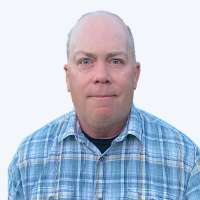
SALT LAKE CITY — Frank Tsinnijinnie says he isn't going to wait until he is released from prison to change the way he lives.
"Being on parole is not just walking past that gate," he told the Utah Board of Pardons and Parole on Tuesday. "It all starts in the cell. … You don't have to wait to carry yourself in that way."
On Aug. 2, 2017, about 3 a.m., Tsinnijinnie had gone with friends to help conduct a drug deal. His friends asked him to provide protection because he had a gun, even though Tsinnijinnie admits he wasn't legally permitted to have one, he told the board.
According to Tsinnijinnie, a pickup truck began following him and his friend on their bicycle. The vehicle came up to them in what Tsinnijinnie described as an "aggressive manner." As the truck began to drive away, Tsinnijinnie says he thought he saw someone from the vehicle fire two to three shots.
"I produced a gun and fired back a few times," he said. "That's what I remember from that night."
It wasn't until he was arrested that Tsinnijinnie learned one of his shots had hit 14-year-old Romeo Rodriguez, who was in the back seat of the truck. Romeo was taken to Primary Children's Hospital, where he later died.
Tsinnijinnie was initially charged with murder, a first-degree felony. In 2021, he pleaded guilty to a reduced charge of manslaughter, a second-degree felony. He was sentenced to one to 15 years in the Utah State Prison with credit for the four years he had been incarcerated since the arrest.
On Tuesday, Tsinnijinnie, now 26, went before the Utah Board of Pardons and Parole for the first time.
Related:

Police arrest man in shooting death of 14-year-old Salt Lake boy
Police arrested an 18-year-old man Wednesday in the death of a Salt Lake teen who was shot in the face last week.He recounted to the board what was happening in his life during the time leading up to the killing. He had just graduated from military school, which he was ordered to attend because of a prior conviction in juvenile court. Tsinnijinnie says he had a new son but had separated from the boy's mother and didn't know how to handle his emotions. He says he believed alcohol was the way to do that because that's what adults did.
Tsinnijinnie says the friends he made in school were enlisting in the military and leaving, so he started hanging out with his childhood friends again, who were involved in gangs.
"I reverted back to that. I should have been more head stronger," he said.
During his 40-minute hearing on Tuesday, Tsinnijinnie gave lengthy, thought-out replies to the board's questions and said he has no excuses for his behavior.
"I never woke up that day intending to go out and shoot somebody," he said. "I know what I did that night was a terrible thing. … I brought dishonor to my family because of my criminal behavior."
But while Tsinnijinnie says he lost his "privilege" to be a member of the community, he decided the least he could do was to become a better person by educating himself while incarcerated and becoming stronger spiritually.
"Every day you have to work on it," he said.
As he did during his original sentencing, Tsinnijinnie read a letter he had prepared for the board, in which he expressed his "deepest shame and regret" for the "unnecessary tragic event." He also apologized several times to Romeo's family, who were not present during Tuesday's hearing.
When he is released, Tsinnijinnie says he wants to work with the Warrior Spirit Program with the Navajo Nation, which provides addiction recovery services.
The five-member parole board will now vote whether to grant parole or set a date for another hearing.