
- Pioneer Children's Memorial honors over 800 children who died during the trek.
- Researcher Penny Magnusson Hannum documented these stories, feeling the children's presence.
- Visitors can explore these stories at This is the Place Heritage Park.
SALT LAKE CITY — The pioneers who traveled to the Salt Lake Valley wrote about both the miracles and the tragedies they encountered along the way. The greatest tragedy was the loss of children who died along the trail, and some of their stories have never been told until now.
On a bluff overlooking the Salt Lake Valley, inside This is the Place Heritage Park, is a set of stones.
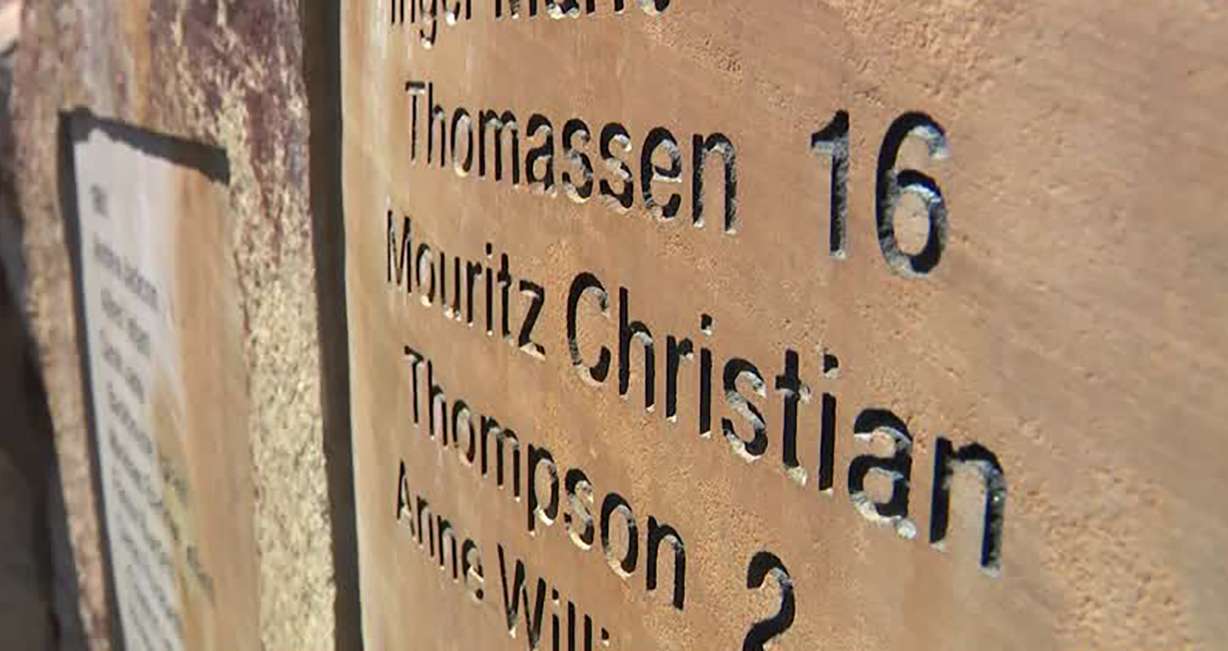
The stones and 47 sculptures are a memorial to the more than 800 pioneer children who started the trek West to the Salt Lake Valley but died along the way.
Penny Magnusson Hannum is the researcher and writer who found most of them.
"I ended up with right around 700 that I did," she said.
She says she researched and wrote constantly for three months to tell the stories of these children. She also said that once she accepted the assignment, she often felt the presence of these children as she was writing.
"I felt them around me constantly. I cried a lot," she said. "I still cry about them, but I felt their influence so much and sometimes I'd say, 'So, Sarah, did I do OK? And I'd feel like, had that feeling, that they like it."
Heritage Park executives, Daughters of the Utah Pioneers and the Days of '47 Committee recently honored Hannum.
"You're our hero today, and we love you," said Days of '47 Executive Vice President Greg James to Hannum.
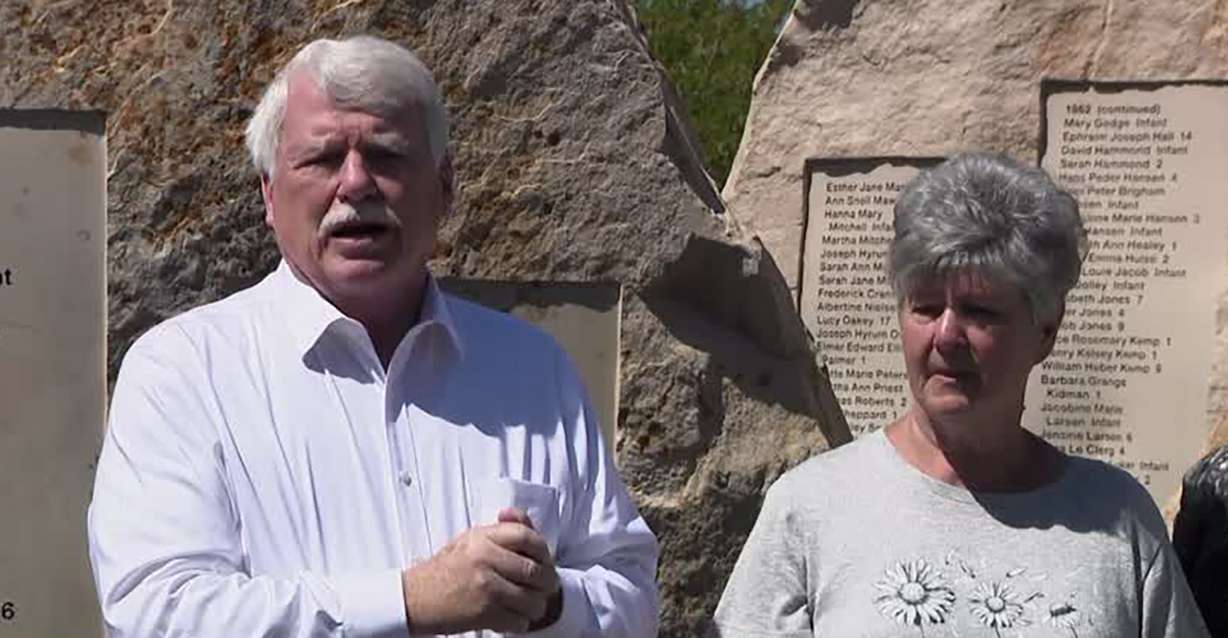
The children and their families traveled by wagon train or by handcart, and Hannum learned from journals that often diseases — cholera, whooping cough or measles — took their lives.
"This is how they were buried or where they were buried and things like that, but sometimes there was no information, and I wrote what I could find," she said.
Now, visitors to This is the Place Heritage Park can read about these brave, young pioneers.
James showed us how to look for their stories on the park website while on his cellphone at the memorial.
"You'll see the years that they died, so that you can search by the year that they passed," he said. "You can see the stone, the highlighted name, push that and you'll see the story. And you can visit the Pioneer Database and see about their family tree. So, you can do all that now in one quick stop."
Now, with each child's name and age, visitors know there is more to learn about their lives.
They are not buried here, but they are important and should never be forgotten. Find a link to the Pioneer Children's Memorial at pioneerchildrensmemorial.com/