Estimated read time: 2-3 minutes
This archived news story is available only for your personal, non-commercial use. Information in the story may be outdated or superseded by additional information. Reading or replaying the story in its archived form does not constitute a republication of the story.
SALT LAKE CITY — Despite efforts to stop spam calls, data from spam-blocking company Robokiller shows Americans still got hit with 4.67 billion robocalls in September. That works out to be over 1,700 robocalls per second. Part of the issue, say cybersecurity experts: companies that make a living duping you into agreeing to be called by other companies.
"If you kind of proceed and look and peruse the site, you have consented," warned Chris Drake, chief technology officer for telecommunications firm, iconectiv, who reached out to KSL to make viewers aware of consent farms.
"Those are entities that trick the consumer into consenting to something specific through the use of prizes, enticements and whatnot and then they sell that (consent) to everyone," Drake explained.
Here's how the trick works: When you enter your information into a website it doesn't always stay there. Many websites have terms buried in their fine print saying you are hereby opting to be contacted by them, or others to whom they may sell your contact information.
It is a sneaky way around rules and laws, like the Do Not Call list, which are designed to stop the spam. Some consent farms call this a legal loophole. Drake is adamant that it is not.
"You cannot outsource the collection of consent, that is illegal," he said. "You cannot further not decide that that one consent applies to 20 to 50 different things."
The Federal Trade Commission recently took action against several companies it accuses of being consent farms.
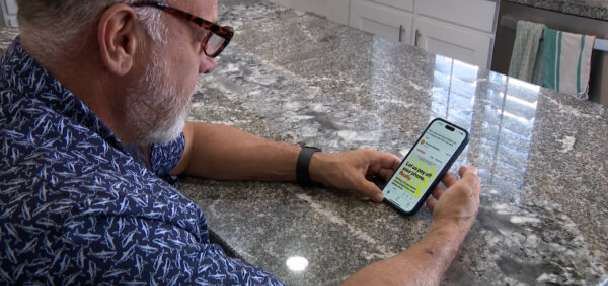
So how do you avoid stumbling into a consent farm? Watch out for websites, pop-up ads, emails or tests offering free stuff, gift cards, or leads on jobs. They typically ask for your name and contact info and below that, is fine print that says by checking "I Agree" you're agreeing to be contacted by their marketing partners.
Drake says anyone who gets a robocall or message, should simply ignore it.