'%3e%3cpath%20d='M34.1406%205.85938C30.3906%202.10547%2025.3047%200%2020%200C14.6953%200%209.60938%202.10547%205.85938%205.85938C2.10938%209.61328%200%2014.6953%200%2020C0%2025.3047%202.10547%2030.3906%205.85938%2034.1406C9.61328%2037.8906%2014.6953%2040%2020%2040C25.3047%2040%2030.3906%2037.8945%2034.1406%2034.1406C37.8906%2030.3906%2040%2025.3047%2040%2020C40%2014.6953%2037.8945%209.60938%2034.1406%205.85938ZM37.0117%2023.543H31.1602V13.5391H27.6328V19.9414C28.1211%2020.6914%2028.3711%2021.582%2028.3711%2022.5625V22.625C28.3711%2023.668%2028.1172%2024.6055%2027.6328%2025.4297V26.6094H36.082C33.4883%2032.9375%2027.2891%2037.3789%2020.0039%2037.3789C10.3711%2037.3789%202.62109%2029.6289%202.62109%2020C2.62109%2010.3711%2010.3711%202.62109%2020%202.62109C29.6289%202.62109%2037.3789%2010.3711%2037.3789%2020C37.3789%2021.1484%2037.2617%2022.2656%2037.0508%2023.3477C37.0391%2023.4141%2037.0234%2023.4766%2037.0117%2023.543Z'%20fill='white'/%3e%3cpath%20d='M22.3086%2018.5352C20.4336%2018.125%2019.9531%2017.8398%2019.9766%2017.1836V17.1406C19.9766%2016.6992%2020.3477%2016.2148%2021.4023%2016.2148C22.582%2016.2148%2023.8867%2016.6797%2025.0781%2017.4766L26.8516%2015.0195C25.4453%2013.8906%2023.707%2013.3398%2021.5547%2013.3398C18.5195%2013.3398%2016.4375%2015%2016.4063%2017.4766V17.5352C16.3633%2020.2617%2018.5859%2020.9805%2021.293%2021.6016C23.0391%2021.9766%2023.5703%2022.3164%2023.5703%2022.9609L23.5469%2022.9766C23.5469%2023.3906%2023.2578%2023.7031%2022.7852%2023.8359C22.5742%2023.9062%2022.1289%2023.9727%2021.5156%2023.9727C20.7617%2023.9727%2019.7539%2023.8633%2018.6328%2023.4844C18.0898%2023.2891%2017.4727%2023.0039%2016.8047%2022.6133L20.1406%2026.625C20.2813%2026.6602%2021.0977%2026.8516%2021.7734%2026.8516C25.0039%2026.8516%2027.0859%2025.2461%2027.1094%2022.6328V22.5703C27.1602%2020.1133%2025.2148%2019.1719%2022.3086%2018.5352Z'%20fill='white'/%3e%3cpath%20d='M5.24219%2013.5664V26.6133H8.75391V23.7578L10.2969%2021.9531L14.2031%2026.6133H18.3867L12.3555%2019.5195L17.4023%2013.5664H13.4531L8.75391%2019.0586V13.5664H5.24219Z'%20fill='white'/%3e%3c/g%3e%3cdefs%3e%3cclipPath%20id='clip0_97_2430'%3e%3crect%20width='40'%20height='40'%20fill='white'/%3e%3c/clipPath%3e%3c/defs%3e%3c/svg%3e)


Estimated read time: 6-7 minutes
This archived news story is available only for your personal, non-commercial use. Information in the story may be outdated or superseded by additional information. Reading or replaying the story in its archived form does not constitute a republication of the story.
ATLANTA — Extreme heat appears to be leading to the deaths of people in America's national parks at an alarming pace this year, highlighting both its severity and the changing calculus of personal risk in the country's natural places as climate change fuels more weather extremes.
More people are suspected to have died since June 1 from heat-related causes in national parks than an average entire year, according to park service press releases and preliminary National Park Service data provided to CNN. No other year had five heat-related deaths by July 23, park mortality data that dates to 2007 shows, and the deadliest month for heat in parks — August — is yet to come.
The deaths reported so far are still under investigation, but all five died in temperatures that hit 100 degrees, a searing microcosm of a much more widespread pattern of extreme heat that has broken more than 3,000 high-temperature records across the U.S. since early June.
That kind of heat has proven an indiscriminate killer in the nation's parks:
- A 14-year-old boy died on a trail in southwest Texas' Big Bend National Park in 119-degree heat, his 31-year-old father died seeking help to save him
- A 65-year-or-older man died hiking on June 1 in Big Bend
- A 57-year-old woman died hiking a trail in Arizona's Grand Canyon National Park
- A 71-year-old man collapsed and died outside a restroom in California's Death Valley National Park after park rangers believe he hiked a nearby trail
- A 65-year-old man was found dead in his disabled vehicle on the side of the road in Death Valley National Park, with park rangers suspecting he succumbed to heat illness while driving and then baked in temperatures as high as 126 degrees
Heat is the deadliest type of weather, killing on average more than twice as many people each year as hurricanes and tornadoes combined. But heat deaths are notoriously difficult to track in the U.S., with one 2020 study estimating that they were undercounted in some of the most populous counties.
The National Park Service faces the same challenges and told CNN that the true toll of this year's extreme heat and recent past heat may be even higher. It needs to collect and corroborate death reports with hundreds of individual parks and the equally vast and complex web of local and state officials who medically determine the cause of death.
As a result, some of the most recent death statistics from 2020 to 2023 could "change significantly," park spokespeople said.
That's already proven true. Two of this year's five deaths happened after the park service provided the data to CNN in early July. Still, the current statistics offer a glimpse into the deadly potential of this unrelenting heat, especially in its epicenter: the Southwest.
Ground zero for extreme heat deaths
All of this year's suspected heat-related deaths took place in just three national parks: Grand Canyon, Death Valley and Big Bend. These three parks are also responsible for more than half of the 68 heat-related deaths reported by the park service since 2007.
It's normal for the Southwest to be hot. But the heat this year, especially the longevity of it, is far from normal. Phoenix, just a few hours south of the Grand Canyon, shattered its record for consecutive days at 110 degrees Fahrenheit-plus and only dropped to 97 degrees Fahrenheit overnight at times during the streak, a record-warm low temperature.
A recent report from Climate Central, a nonprofit research group, found that the Southwest heat wave in the first half of July was made at least five times more likely by human-caused climate change.
Average annual temperatures across the Southwest increased by 1.6 degrees Fahrenheit between 1901 and 2016, according to the federal government's periodic climate change report. The climate crisis has also worsened the region's most severe drought in centuries. And projections show that temperatures will continue to rise to the tune of 8.6 degrees Fahrenheit — resulting in 45 more days over 90 degrees each year for parts of the region by 2100 under the worst-case scenarios.
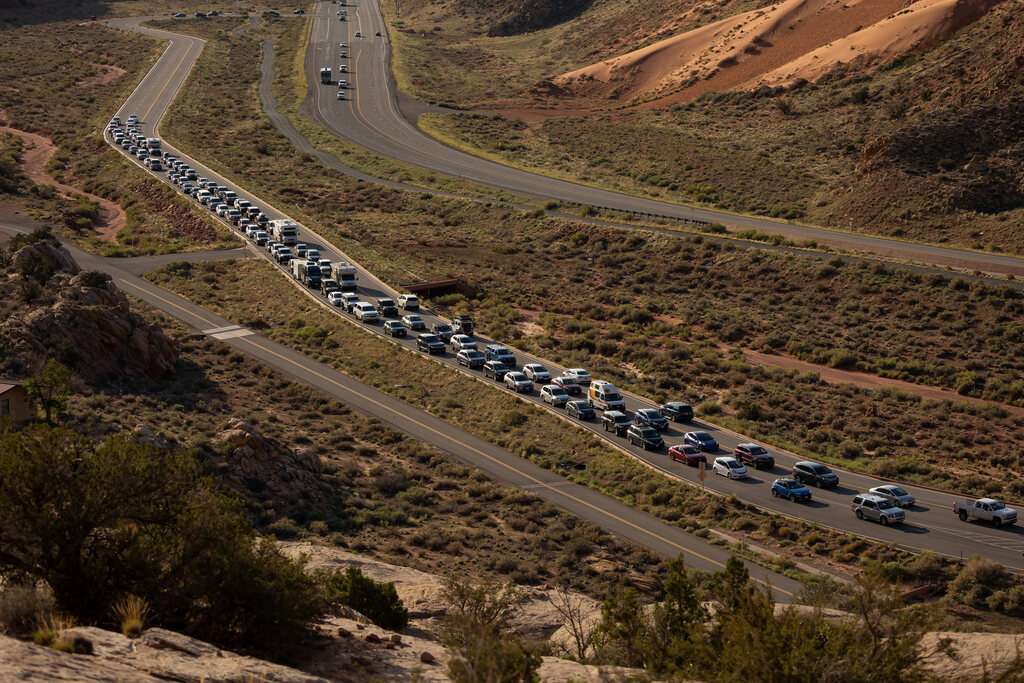
The country's national parks are ground zero for this warming. A 2018 study found that they had warmed twice as fast as the rest of the U.S. from 1895 to 2010 due to human-caused climate change.
The deadliest activity you can do in heat
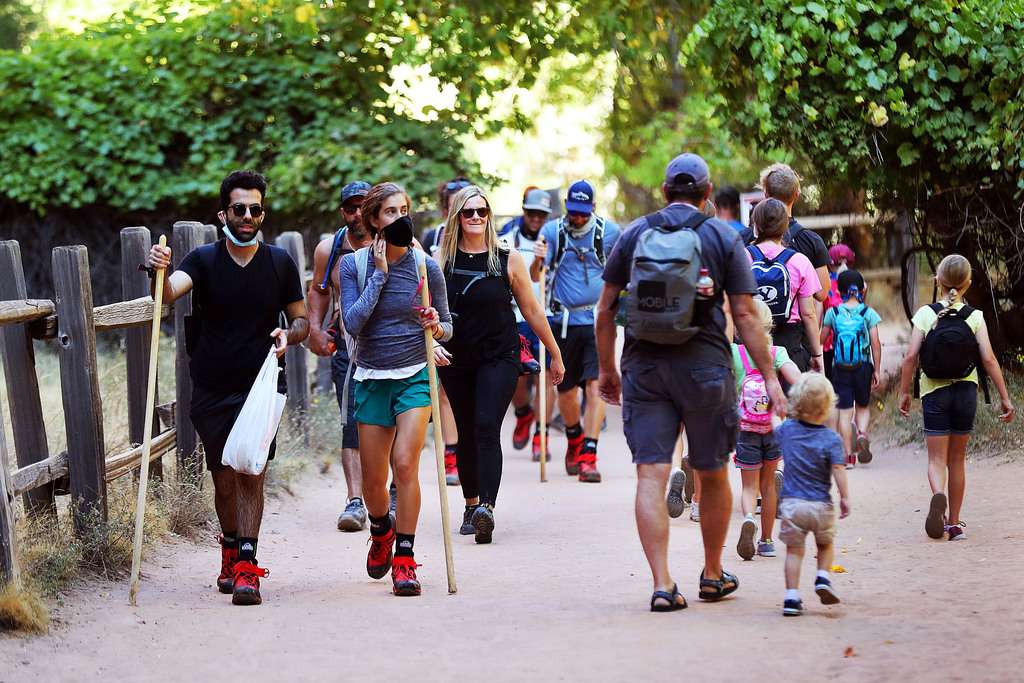
The 300 million-plus people who visit the parks each year are already encountering warmer temperatures and are at a greater risk for heat illness as a result. Park visitation also peaks during the summer, furthering that risk.
The park service doesn't universally keep track of heat-related illnesses that don't result in death, but multiple park representatives said the number of heat illnesses was much greater than heat mortality.
Grand Canyon National Park doesn't track heat-specific illness, park spokeswoman Joelle Baird told CNN, but they see a spike in ranger responses to heat-related illnesses when temperatures reach 95 degrees on trails at the midway point between the top and the bottom of the canyon.
Extreme heat can trigger heat illness in as little as 20 to 30 minutes for people doing anything strenuous outdoors, like hiking, because heat acts as a "perfect storm," which overloads the body until it eventually short-circuits and shuts down, said Dr. Matthew Levy, a professor at Johns Hopkins University School of Medicine.
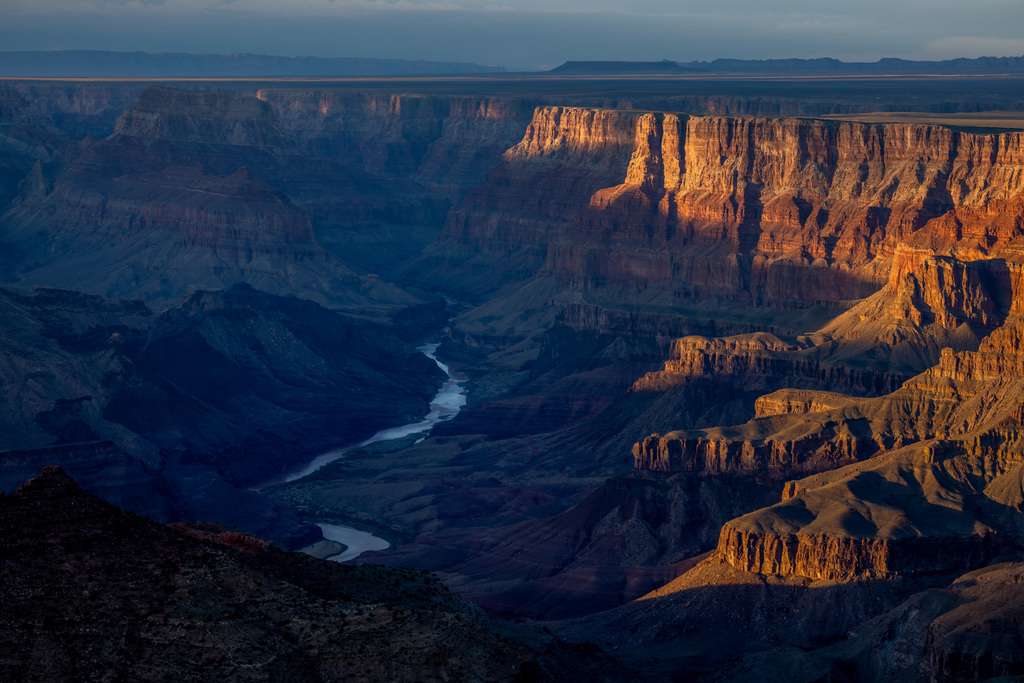
Hiking was the most common cause of heat-related death in the national parks data, representing more than 60% of all deaths. Park spokespeople said that typically, less-experienced hikers find themselves in compromising situations by overestimating their abilities or underpreparing for the heat, but heat illness and death can and has happened in experienced hikers, too.
Too hot to rescue
Personal responsibility weighs heavily in the policy direction the individual national parks take when dealing with the heat.
Parks proactively message visitors about the heat online and in signage posted at the trails that warns of the dangerous and "tragic" consequences of high temperatures.
"People are responsible for their own safety," Death Valley spokeswoman Abby Wines told CNN. "We try to get information out to people so they're aware, but one of the problems with heat, I think, is that often people think it's a matter of being tough enough. They think 'Oh, I might be uncomfortable, but that's all and I can push through it.' But heat is deadly."
It's so hot in Death Valley that the park warns visitors that it can't and won't rescue people.
"We don't want to put our own staff at risk of heat fatality by doing a physical carry out in extreme heat conditions," Wines said, adding that the medical helicopter can't get enough lift to take off because temperatures are so hot.
That was the case in the most recent death in Death Valley on July 19 when the temperature was 117 degrees Fahrenheit, a park release notes.
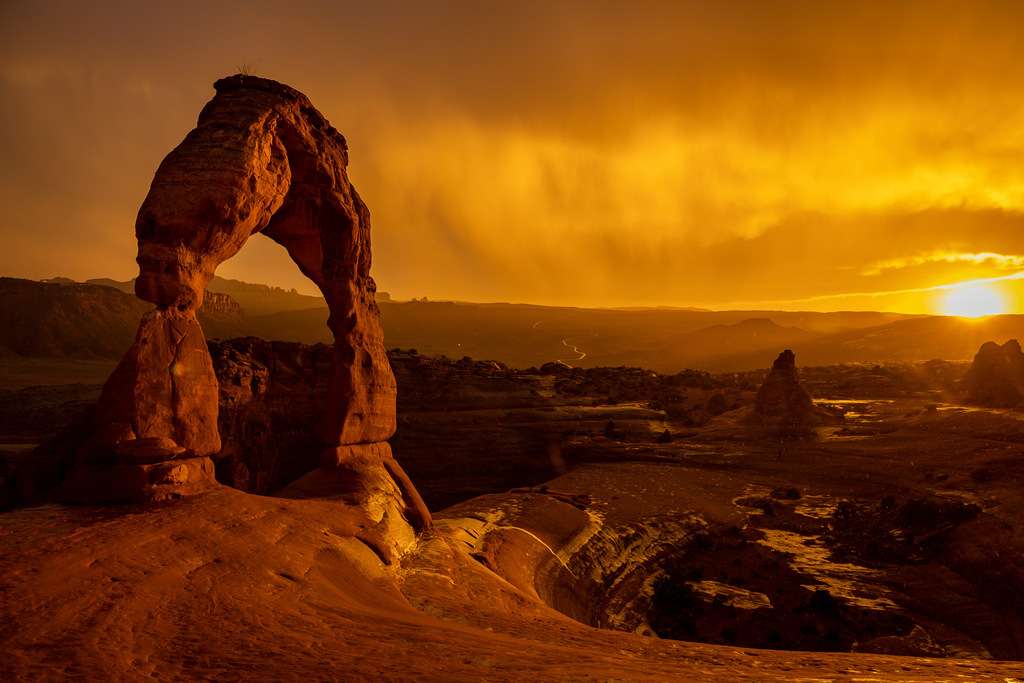
What parks seem to rarely do is close trails because of the heat. The park representatives CNN spoke to said there is no national policy or guidance to close if temperatures reach a certain level.
Grand Canyon National Park is the deadliest U.S. park for extreme heat with 16 deaths since 2007, the preliminary data from the National Park Service would suggest, a toll Baird said would be "much higher" if the park didn't also have one of the most robust and proactive responses to heat.