'%3e%3cpath%20d='M34.1406%205.85938C30.3906%202.10547%2025.3047%200%2020%200C14.6953%200%209.60938%202.10547%205.85938%205.85938C2.10938%209.61328%200%2014.6953%200%2020C0%2025.3047%202.10547%2030.3906%205.85938%2034.1406C9.61328%2037.8906%2014.6953%2040%2020%2040C25.3047%2040%2030.3906%2037.8945%2034.1406%2034.1406C37.8906%2030.3906%2040%2025.3047%2040%2020C40%2014.6953%2037.8945%209.60938%2034.1406%205.85938ZM37.0117%2023.543H31.1602V13.5391H27.6328V19.9414C28.1211%2020.6914%2028.3711%2021.582%2028.3711%2022.5625V22.625C28.3711%2023.668%2028.1172%2024.6055%2027.6328%2025.4297V26.6094H36.082C33.4883%2032.9375%2027.2891%2037.3789%2020.0039%2037.3789C10.3711%2037.3789%202.62109%2029.6289%202.62109%2020C2.62109%2010.3711%2010.3711%202.62109%2020%202.62109C29.6289%202.62109%2037.3789%2010.3711%2037.3789%2020C37.3789%2021.1484%2037.2617%2022.2656%2037.0508%2023.3477C37.0391%2023.4141%2037.0234%2023.4766%2037.0117%2023.543Z'%20fill='white'/%3e%3cpath%20d='M22.3086%2018.5352C20.4336%2018.125%2019.9531%2017.8398%2019.9766%2017.1836V17.1406C19.9766%2016.6992%2020.3477%2016.2148%2021.4023%2016.2148C22.582%2016.2148%2023.8867%2016.6797%2025.0781%2017.4766L26.8516%2015.0195C25.4453%2013.8906%2023.707%2013.3398%2021.5547%2013.3398C18.5195%2013.3398%2016.4375%2015%2016.4063%2017.4766V17.5352C16.3633%2020.2617%2018.5859%2020.9805%2021.293%2021.6016C23.0391%2021.9766%2023.5703%2022.3164%2023.5703%2022.9609L23.5469%2022.9766C23.5469%2023.3906%2023.2578%2023.7031%2022.7852%2023.8359C22.5742%2023.9062%2022.1289%2023.9727%2021.5156%2023.9727C20.7617%2023.9727%2019.7539%2023.8633%2018.6328%2023.4844C18.0898%2023.2891%2017.4727%2023.0039%2016.8047%2022.6133L20.1406%2026.625C20.2813%2026.6602%2021.0977%2026.8516%2021.7734%2026.8516C25.0039%2026.8516%2027.0859%2025.2461%2027.1094%2022.6328V22.5703C27.1602%2020.1133%2025.2148%2019.1719%2022.3086%2018.5352Z'%20fill='white'/%3e%3cpath%20d='M5.24219%2013.5664V26.6133H8.75391V23.7578L10.2969%2021.9531L14.2031%2026.6133H18.3867L12.3555%2019.5195L17.4023%2013.5664H13.4531L8.75391%2019.0586V13.5664H5.24219Z'%20fill='white'/%3e%3c/g%3e%3cdefs%3e%3cclipPath%20id='clip0_97_2430'%3e%3crect%20width='40'%20height='40'%20fill='white'/%3e%3c/clipPath%3e%3c/defs%3e%3c/svg%3e)


Estimated read time: 3-4 minutes
This archived news story is available only for your personal, non-commercial use. Information in the story may be outdated or superseded by additional information. Reading or replaying the story in its archived form does not constitute a republication of the story.
SALT LAKE CITY — A 19-year-old woman who police say was kidnapped, bound to a chair with zip ties, beaten with a pool cue and stabbed multiple times before managing to escape, has now been arrested in that case.
But prosecutors say they're only holding her long enough to obtain crucial testimony, according to court documents.
The woman was critically injured after allegedly being attacked by Jeffrey Rich Hanson, 34, and Eliese Tupou Olive, 32, on Feb. 29. She was hospitalized for five days, according to a warrant filed in 3rd District Court. Both men have since been charged with attempted murder.
But the woman was arrested Monday and booked into the Salt Lake County Jail on a rare material witness warrant. Such warrants are only used when prosecutors believe there's a likelihood that a key witness in a case who can provide critical testimony will not show up for trial.
Both Salt Lake County District Attorney Sim Gill and defense attorney Greg Skordas — a former prosecutor — concurred that the use of a material witness warrant is rare.
"I don't find it to be abused," Skordas said.
Gill, who spoke in general terms and not about any specific case, said it is a tool that is available to him when a witness has critical testimony but is also considered to be a flight risk. Gill said because he does not want to revictimize those who have already been a victim of a crime, a material witness warrant is generally used as a last resort.
In December, prosecutors were forced to drop charges of rape and kidnapping against Sandy landlord Vratislav Roger Bilek, 62, when two women — victims of Bilek who have documented histories of frequent drug use — disappeared. Bilek currently faces new charges for allegedly victimizing another woman after being released.
Skordas said a material witness warrant can be difficult on the person the warrant is issued against, because "essentially what you're doing is arresting an innocent person."
But he also notes the warrant is a result of a person avoiding the court process.
Related:
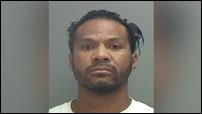
Suspect in violent Taylorsville attack extradited from Nevada
A man wanted for the violent assault of a 19-year-old Taylorsville woman in February has been returned to Utah to face a charge of attempted murder."It's still three days of sitting in jail for something you didn't do. But on the other hand, it implies the witness is not cooperating with authorities. You don't just get these unless the witness is playing hard to get," Skordas said
Under a material witness warrant, the person arrested has to appear before a judge within three days and give testimony under oath, including cross-examination, as if the trial was already underway. Then they are let go, Skordas said. That way, should the person fail to show up during the actual trial, that person's recorded testimony can be presented to a jury as evidence instead.
In the case against Hanson and Olive, prosecutors noted in their material witness warrant for the woman that "the allegations are shocking and horrific" and "only short of murder in its seriousness."
But the woman, a known heroin user who is homeless, disappeared after checking out of a rehabilitation facility on March 7, the warrant states. Furthermore, the woman was told after checking out of the hospital five days earlier that her wounds would need continued attention and care.
"(The woman) obviously frequents people and places that are unsavory and the state has a serious concern that should she not be placed in custody that she will be unavailable to testify," according to the warrant.
In an unrelated case in February, a material witness warrant was issued for a man in the case of Ahmen Sharif-Mohamed Ali, who is charged with murder in the 2015 shooting death of a man at a party in Millcreek.