'%3e%3cpath%20d='M34.1406%205.85938C30.3906%202.10547%2025.3047%200%2020%200C14.6953%200%209.60938%202.10547%205.85938%205.85938C2.10938%209.61328%200%2014.6953%200%2020C0%2025.3047%202.10547%2030.3906%205.85938%2034.1406C9.61328%2037.8906%2014.6953%2040%2020%2040C25.3047%2040%2030.3906%2037.8945%2034.1406%2034.1406C37.8906%2030.3906%2040%2025.3047%2040%2020C40%2014.6953%2037.8945%209.60938%2034.1406%205.85938ZM37.0117%2023.543H31.1602V13.5391H27.6328V19.9414C28.1211%2020.6914%2028.3711%2021.582%2028.3711%2022.5625V22.625C28.3711%2023.668%2028.1172%2024.6055%2027.6328%2025.4297V26.6094H36.082C33.4883%2032.9375%2027.2891%2037.3789%2020.0039%2037.3789C10.3711%2037.3789%202.62109%2029.6289%202.62109%2020C2.62109%2010.3711%2010.3711%202.62109%2020%202.62109C29.6289%202.62109%2037.3789%2010.3711%2037.3789%2020C37.3789%2021.1484%2037.2617%2022.2656%2037.0508%2023.3477C37.0391%2023.4141%2037.0234%2023.4766%2037.0117%2023.543Z'%20fill='white'/%3e%3cpath%20d='M22.3086%2018.5352C20.4336%2018.125%2019.9531%2017.8398%2019.9766%2017.1836V17.1406C19.9766%2016.6992%2020.3477%2016.2148%2021.4023%2016.2148C22.582%2016.2148%2023.8867%2016.6797%2025.0781%2017.4766L26.8516%2015.0195C25.4453%2013.8906%2023.707%2013.3398%2021.5547%2013.3398C18.5195%2013.3398%2016.4375%2015%2016.4063%2017.4766V17.5352C16.3633%2020.2617%2018.5859%2020.9805%2021.293%2021.6016C23.0391%2021.9766%2023.5703%2022.3164%2023.5703%2022.9609L23.5469%2022.9766C23.5469%2023.3906%2023.2578%2023.7031%2022.7852%2023.8359C22.5742%2023.9062%2022.1289%2023.9727%2021.5156%2023.9727C20.7617%2023.9727%2019.7539%2023.8633%2018.6328%2023.4844C18.0898%2023.2891%2017.4727%2023.0039%2016.8047%2022.6133L20.1406%2026.625C20.2813%2026.6602%2021.0977%2026.8516%2021.7734%2026.8516C25.0039%2026.8516%2027.0859%2025.2461%2027.1094%2022.6328V22.5703C27.1602%2020.1133%2025.2148%2019.1719%2022.3086%2018.5352Z'%20fill='white'/%3e%3cpath%20d='M5.24219%2013.5664V26.6133H8.75391V23.7578L10.2969%2021.9531L14.2031%2026.6133H18.3867L12.3555%2019.5195L17.4023%2013.5664H13.4531L8.75391%2019.0586V13.5664H5.24219Z'%20fill='white'/%3e%3c/g%3e%3cdefs%3e%3cclipPath%20id='clip0_97_2430'%3e%3crect%20width='40'%20height='40'%20fill='white'/%3e%3c/clipPath%3e%3c/defs%3e%3c/svg%3e)


Estimated read time: 4-5 minutes
This archived news story is available only for your personal, non-commercial use. Information in the story may be outdated or superseded by additional information. Reading or replaying the story in its archived form does not constitute a republication of the story.
SALT LAKE CITY — April is National Autism Awareness month, with events, conferences and more occurring all month. But while many may be aware of autism, the topic of neurodiversity is less understood. And those working with the neurodiverse, and the neurodiverse themselves, want others to be aware of them.
Teresa Cardon, interim director of the Melisa Nellesen Center for Autism at Utah Valley University, said, “neurodiverse to me means that there is no one right way to be.” Cardon is a sibling of someone on the autism spectrum and she has learned much through that experience. “For me personally, it’s about not trying to insist on one way being the way,” she said.
The term neurodiversity does not just apply to those on the autism spectrum, but anyone whose brain is different, encompassing ADHD, auditory processing disorders, dyslexia and more.
"We have students on campus that don’t go to class for the first month because they can’t go through the door,” Cardon said.
Staff at UVU want their students to feel safe, and along with other initiatives, they developed the Passages Program. Passages, run by Laurie Bowen, helps those who are neurodiverse navigate college, transition out of high school and teaches life and career skills.
In addition, UVU is one of the few universities with a neurodiversity club. Kari Bushman, a communications graduate who is neurodiverse, started the club. Since the club started in 2015, it’s grown to over 60 individuals.
"One thing I studied in communication is how you relate and understand things … like how gender and race affect how people treat you or how you see the world," Bushman said. "That’s very much the case with individuals on the autism spectrum. How they see the world is very different with how we see the world.”
Bushman and other club members befriend and bring in others to the club, which interacts in person and online. Bushman says almost 85 percent of individuals on the spectrum that go to college cite the reasons they drop out as depression and isolation. The UVU neurodiversity club is a safe place for its members and their theme is, “You belong here. You can do this.”
Sarah Adia Heuser is the current president of the UVU neurodiversity club, and calls herself “autistic.” Heuser, like others in the neurodiverse community, use different language than the medical or therapy world.
“Autistic isn’t a bad thing," Heuser said. "It’s a descriptor. I do not say I am a person with femaleness. I say I am a woman. In that same way I am autistic and disabled. Autism is a huge part of my identity. That is the radical acceptance part of neurodiversity.”

Autism education brings community together
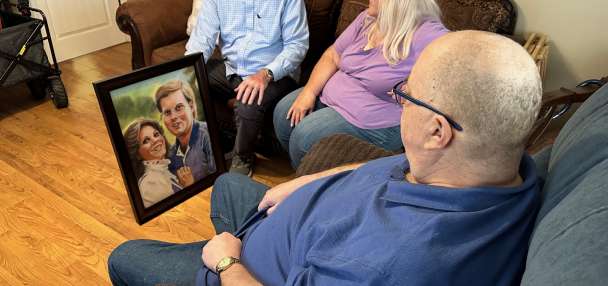
About a year ago, the Amotts adopted a child from KSL's Wednesday's child program. His name is Alden. He has an autism spectrum disorder and other special needs. A Facebook page evolved as a space of education.The neurodiversity movement is not without controversy, from the language it uses to the stances it takes on diagnoses and treatment. In a 2008 New York Magazine article, writer Andrew Solomon covers the sides of the issue, writing that “neurodiversity activists include both people on the spectrum, and their parents; their opponents likewise include both groups, with a heavy concentration of parents.”
Kristal James, licensed therapist and parent of someone who is neurodiverse, said, “Truthfully, I think some of the controversy is warranted. Autism is more abstract and has a broader range of being able to collect those individuals who may slip through the cracks of various diagnoses and can be served if they push for a diagnosis of autism.”
She said this is both good and bad because “it can assist people in obtaining services that otherwise couldn’t qualify. It makes it bad because it broadens the scope of what “autism” looks like, how to help, and what services are effective."
Solomon quotes Temple Grandin, author of "Thinking in Pictures" who has long been a public voice of autism. Grandin takes a middle ground on the neurodiversity movement and said “both the autistic person and society have to make accommodations.”
Heuser hopes to grow the UVU neurodiversity club so it can become even more inclusive and hopes society becomes more aware and inclusive of those who think differently.
For more information on neurodiversity, Heuser recommends going to the Autistic Self Advocacy Network and the Ask an Autistic video blog by Amethyst Schaber.
Carrie Rogers-Whitehead is a senior librarian at Salt Lake County Library. In addition, she is an instructor at Salt Lake Community College and CEO and co-founder of Digital Respons-Ability. She can be reached at carrie@respons-ability.net