Estimated read time: 2-3 minutes
This archived news story is available only for your personal, non-commercial use. Information in the story may be outdated or superseded by additional information. Reading or replaying the story in its archived form does not constitute a republication of the story.
A dramatic increase in injuries among female athletes has triggered some major innovative preventive programs at a Salt Lake orthopedic hospital.
Surgeons at The Orthopedic Specialty Hospital (TOSH) in Murray have seen an "explosion" of injuries in female athletes. Since the introduction of Title 9 in high school sports, more girls than ever are competing alongside their male counterparts.
Cottonwood High School's Dani Baranowski competes in water polo, swimming, soccer and volleyball.
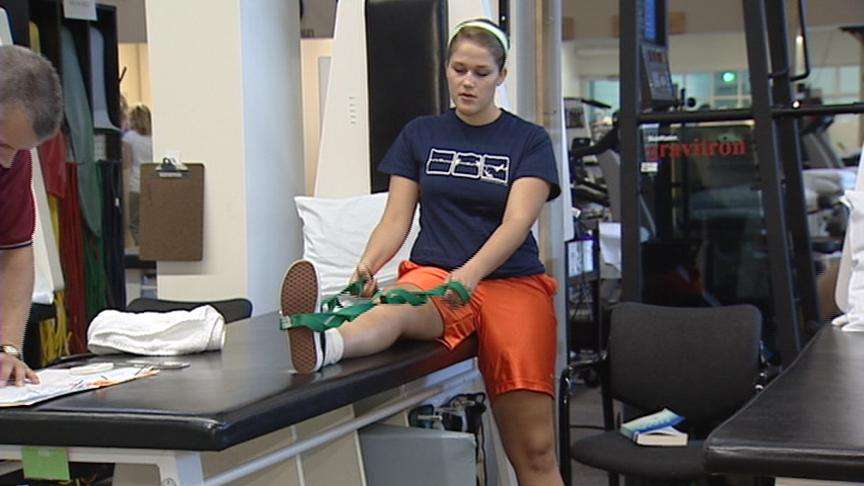
She's in great shape, but because she's a female, her anatomy makes her more vulnerable to some injuries, especially in the knees.
While working out on a trampoline she says, "I was doing an aerial, like a flip, and just jumped on it wrong, and it exploded."
Dani had surgery about a month ago and is now following up with rehab at TOSH. Like other female athletes, she's aware she has to do things differently. "I walk differently, and I really try to control my knee better now that I know," Dani says.
In sports and endurance research at TOSH, Bill McDermott looks at how the female anatomy reacts to physical stress. A woman's ligaments are smaller. So is muscle mass.
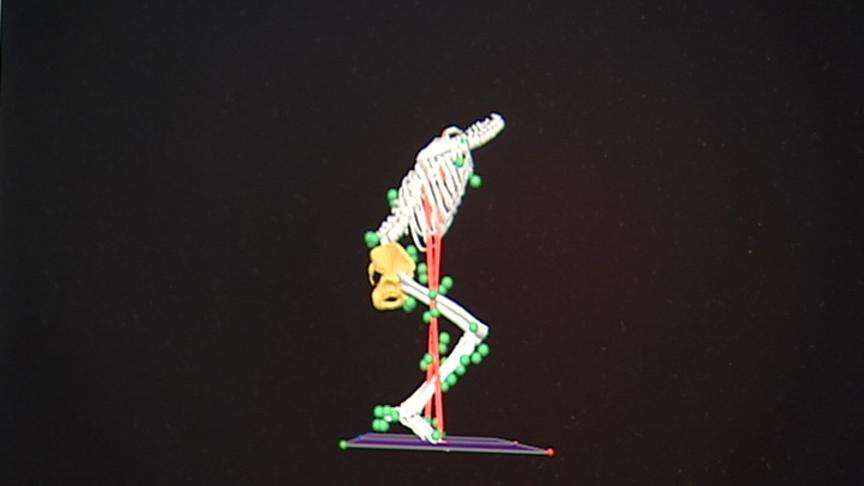
As a study volunteer jumps and then lands, the knees tend to move inward. McDermott says, "When they're coming down and accepting all of that weight and there are forces going through the lower extremities, we tend to see on some females their knees tend to bow inward, might call a knock knee position." The lower spine may also be more vulnerable to stress. At TOSH alone, Sport Science Director Dr. Jim Walker says the number of knee surgeries on 13- to 17-year-old girls has jumped 60 percent in just a four year period. Walker says, "Then the age group above that, the 18- to 22-year-old, the college age, it's about triple what it use to be."
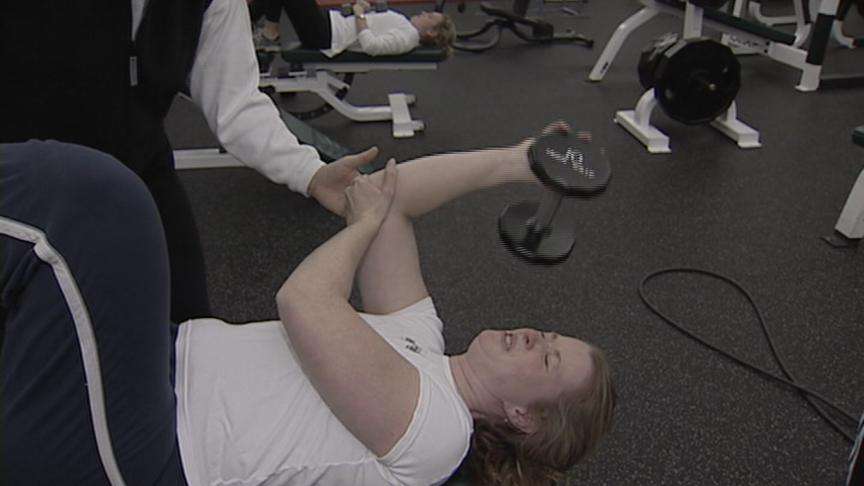
But despite anatomical differences, female athletes are top notch competitors. That's why TOSH, in partnership with high school coaches, is polishing more long range training techniques designed just for them.
Nutrition plays a role as well. Nutrition researcher Kristi Spence says female athletes worry more about diet and weight and sometimes, unknowingly, don't take in the right kind of calories. Spence says, "What we notice sometimes, it's just a calorie deficit that can launch a host of problems that puts girls at greater risk to injury because of central fatigue, not having the appropriate calories to field the activity they are doing."
TOSH is looking for female athletes between 14 and 17 years of age who play on soccer, basketball and volleyball teams to participate in ongoing studies. For more information, click on the related link to the right of the story.
E-mail: eyeates@ksl.com