Estimated read time: 4-5 minutes
This archived news story is available only for your personal, non-commercial use. Information in the story may be outdated or superseded by additional information. Reading or replaying the story in its archived form does not constitute a republication of the story.
SALT LAKE CITY — You know you have truly reached the top of your industry as soon as people start using your brand name as an action.
Becoming a verb seems to be the cool new thing for tech companies. It's like becoming Marilyn Monroe or Audrey Hepburn. You become an icon, a symbol — more than just a brand. These brand names are so synonymous with the industry they represent that we forget altogether they are simply a brand. Let's celebrate some of the best tech brands that have become verbs below.
Verb: Using the Google search engine to obtain information on something or somebody on the World Wide Web.
The classic example of a company becoming a verb, other than Xerox, is Google. If you don't know the answer to a question, what do you do? You Google it.
Google officially became a verb back in 2006, although it was used as slang before then. Despite the desirable marketing perks of being a verb, Google reportedly was not thrilled with the fact that it earned this status. Becoming a verb has put pressure on Google over the years to live up to its reputation as the best search engine on the Internet.
So far, it has indeed lived up to its reputation. Through yearly Google updates, Internet activity tracking and software products, the company has become more than a verb — it has become an empire. In fact, the verb has gained such popularity among Internet users that people use it whether or not they actually use Google for their Internet search. Maybe their hardware products haven't been as big of a success (sorry, Google Glass) but the Googleplex doesn't seem to be going anywhere soon.
Verb: To take and share an image of something using Instagram.
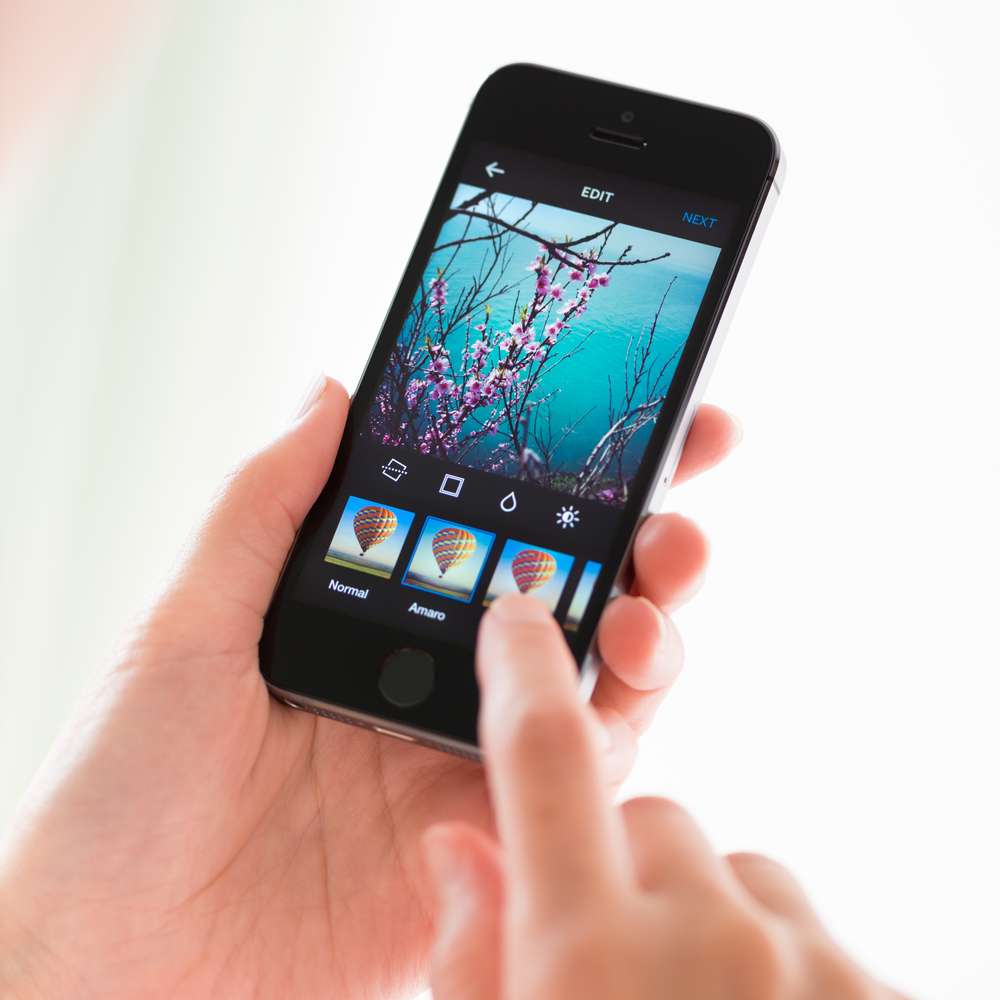
Instagram was created a mere 6 years ago and has already reached the enviable status of a verb. Who would have guessed that "Instagramming" your food and turning every cell phone photo into a piece of art would create a $33 billion company?
Facebook's acquisition of this company was both subtle and significant. Today, it is undeniable that the social platform is still one of the most significant. No other platform has been as successful at creating viral hashtags as Instagram. It also helped to create "Instafamous" stars no one would have recognized otherwise. It is incredibly impressive how large of an impact this app has had on our lives considering how little it has changed over the years.
Netflix
Verb: A sport that requires much devotion to sitting around all day and focusing on watching an entire season of a series.
Before Netflix, Tivo was the big verb in entertainment on-demand. So much has changed since then. Officially declared a verb in 2011 after switching its business model from mailable movies to streaming, Netflix feels like an endless source of online entertainment.
Now, we can find ourselves "Netflixing" for hours at a time. With over 2 billion hours of television at our fingertips and more than 57 million members, the service has become one our greatest addictions and even a leader in the television industry through its original series.
Skype
Verb: To have a spoken conversation with someone over the Internet using the software application Skype.
In 2009, just six years after being launched, Skype became popularized as a verb by various prominent people in the entertainment industry. In 2011, Microsoft paid $8.5 billion for the company and its 300 million users.
Three billion minutes a day are spent on Skype as it has become a popular resource for long distance relationships of any kind, including but not limited to: dating, family and work relationships. Despite competition from Facetime and other video calling rivals, you will be hard pressed to find another video calling resource or substitute with the reputation of Skype.
Uber
Verb: The act of using Uber ridesharing to get from your one destination to another.
Perhaps the newest addition to the tech verb club is Uber. Who knew anyone would come in and completely disrupt the taxi industry? Well, now when you and your friends are deciding to go out you just Uber over.
With its beginnings in San Francisco back in 2009, you can now find Uber in 58 countries all over the world. Not only has this company disrupted the way we think about calling a taxi, but it has initiatives all over the world. For instance, Uber is not allowed to operate in Spain so instead they offer UberEATS, which has now expanded to deliver food in several major US cities. Despite all obstacles Uber seems to be finding any way possible to shake up the world around us.
Sarah Brown is a business student with a love of outdoor adventures. Contact her at sarahdeneim@gmail.com.