Estimated read time: 2-3 minutes
This archived news story is available only for your personal, non-commercial use. Information in the story may be outdated or superseded by additional information. Reading or replaying the story in its archived form does not constitute a republication of the story.
SALT LAKE CITY — When someone arrives at one of Utah's 17 domestic violence emergency shelters, usually it's on one of the worst days of their life.
"Domestic violence is very complicated," said Kendra Wyckoff, executive director at Safe Harbor Crisis Center.
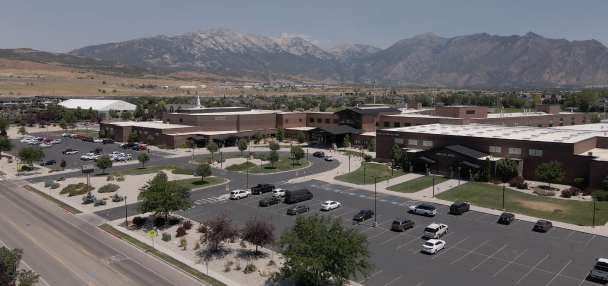
At the Davis County shelter, workers do everything they can to live up to their name.
"We are judgement-free here," Wyckoff said. "This is a safe, welcoming, comfortable and homelike environment."
The first stop after someone walks through the front door is the intake office. This is a place where the most immediate needs are assessed and met. Wyckoff said in that moment those seeking help are no longer called domestic violence victims; they become domestic violence survivors. Once checked in, they gain secured access to all the comforts of home, including the kitchen.
"Everybody is able to prepare their own meals," Wyckoff said. "The food is provided for them here. All the normal things that happen in your home need to happen here."
That includes a laundry room, and areas for kids to just be kids. There is an indoor playroom and an outdoor play area complete with tall fences to ensure privacy and safety.
Safe Harbor Crisis Center can house 31 people at a time in their emergency shelter.
"We are at capacity almost every single day of the year," Wyckoff said.
If they are full, they work tirelessly to find a room, even if that means putting someone up at a hotel.
Wyckoff says she has seen all kinds of people walk the halls of the shelter, "from every socioeconomic background, race, religion and gender."

Related: Transition homes for survivors of domestic violence open in Logan
Citizens Against Physical and Sexual Abuse celebrated the opening of seven new transition homes for domestic violence survivors at Independence Place in Logan on Monday.Each person has unique circumstances.
"The type of abuse a survivor experiences ranges from emotional, physical, sexual, verbal and financial abuse," Wyckoff said.
Although they primarily see women and children needing help, they provide services for men too. Wyckoff wants anyone in a dangerous situation to know there is help available.
"We want to make sure people know we're always here," she said.
In addition to providing the daily necessities like food and a place to sleep. The people at the shelter can connect those in need with legal help, educational training and job placement.
How do you know if you're in a dangerous situation and how can authorities help? There are six departments in Utah participating in a lethality assessment program. Officers from Cedar City, Woods Cross, Cache County, West Jordan, North Salt Lake and Bountiful are participating in a pilot program aimed at identifying those most at risk. They can administer a screener that includes 11 standardized questions. The way potential victims answer helps officers determine if the person is at high-risk for becoming a victim of domestic homicide.
If you are someone you know needs help. There is 24 hour help available. Contact the Utah Domestic Violence Coalition at 1-800-897-LINK (5465).
- The Utah Domestic Violence Coalition has a statewide, 24-hour hotline for victims of domestic violence at 1-800-897-LINK (5465).
- The Division of Child and Family Services offers counseling, teaches parenting skills and conflict resolution and can connect the family with community resources. Their goal is to keep children with their family when it is "possible and safe," according to their website. Visitdcfs.utah.gov/questions/or call 1-800-323-DCFS (3237) for resources or to report child abuse or neglect.
- The Christmas Box House acts as a temporary shelter for children and can provide them with new clothing and shoes, among other services. Call the Salt Lake office at 801-747-2201 or the Ogden office at 801-866-0350.