Estimated read time: 2-3 minutes
This archived news story is available only for your personal, non-commercial use. Information in the story may be outdated or superseded by additional information. Reading or replaying the story in its archived form does not constitute a republication of the story.
Ed Yeates reportingIn the full length of the Wasatch Fault, which spans between Brigham City on the north and Levan on the south, which segment is most likely to shake us up first?
The U.S. Geological Survey (USGS) and the Utah Geological Survey (UGS) have now dissected the Wasatch Fault in some 20 locations, hoping to better understand when the fault moves and how much. But the latest trench along one of several portions of that massive fault could produce some critical data.
Nestled at the foothill of the rugged mountains east of Willard Bay is an earthquake waiting to happen. The trench here dissects a segment of the Wasatch Fault that most likely has the highest probability of producing the next big earthquake. In fact, in theory, we may be 500 years overdue in this spot.
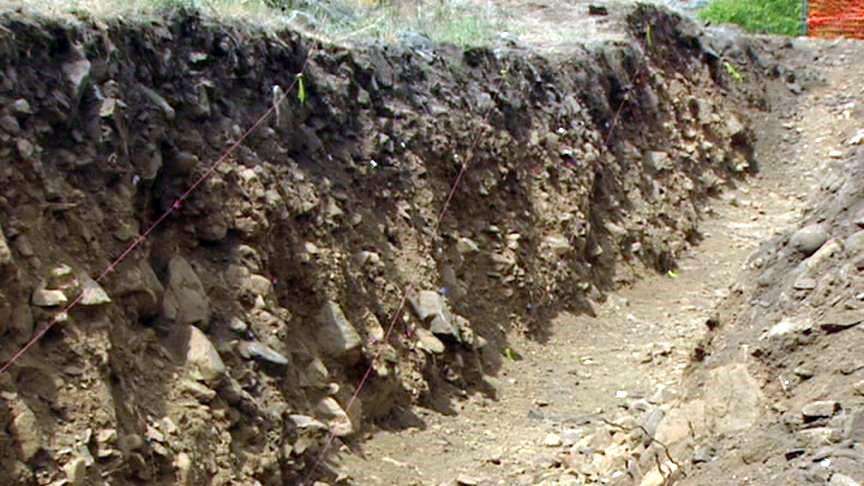
"From 8,000 years to the present there have been numerous earthquakes that have occurred every 1,300 years. Now, it's been 2,100 years since the last large earthquake has occurred on this site, so we like to say we are overdue for an earthquake on this part of the fault," explained Chris DuRoss, UGS project geologist.
DuRoss says, like other trenches, this dig opens a diary revealing earthquakes at regular intervals. How big was the most recent earthquake? Like all the others, magnitude 7.0 to 7.3. That's powerful and devastating, as it will be when it breaks loose again, and one we will feel throughout the whole Salt Lake basin.
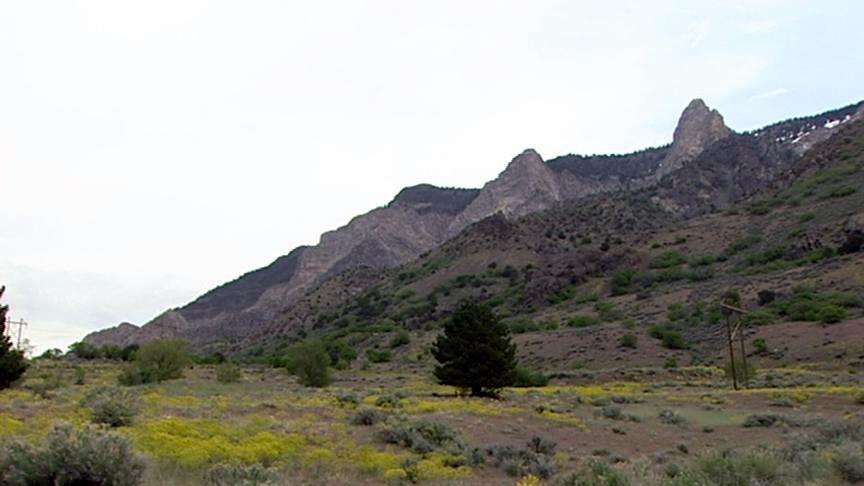
"So here, we would think if an earthquake occurred on the Brigham City segment, it would break along this whole part of the fault," DuRoss said. That's a 25-mile segment between Brigham City and North Ogden.
Any segment along the fault could break, but this one has the highest probability to go first. The Salt Lake segment is next in line.
Geologists will carefully analyze what they see in this trench, comparing data from the others and hopefully coming up with a time line on exactly when the last big one hit this part of northern Utah.
E-mail: eyeates@ksl.com