Estimated read time: 2-3 minutes
This archived news story is available only for your personal, non-commercial use. Information in the story may be outdated or superseded by additional information. Reading or replaying the story in its archived form does not constitute a republication of the story.
Jed Boal reporting Many people in our state watch events unfold at a polygamist ranch in Texas with keen interest and unique perspectives. Those who fled the polygamous lifestyle or counsel polygamous families know the complexity involved with breaking up families.
When it comes to getting tough with polygamous communities, concerns about the well-being of the children always rise to the top of the conversation. Advocates and professionals don't have simple assessments because a raid of this scale is unprecedented.
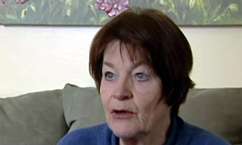
Born into the Kingston polygamous clan, Rowenna Erickson applauds the raid. "If it needs to be done, go for it," she said. She says Texas did the right thing and needs to thoroughly investigate the male leadership. "They're not going to negotiate with you. Their way is the right way, no ifs, ands, or buts about it. No negotiating," she said.
Erickson calls it significant that so many mothers left with the children. She doesn't think that would have happened in the past. She thinks that opens the door for families to stay together and leave the polygamous lifestyle, which she says is run by force, power and control.
"These men have the mentality that they're right. They're following God's work, and they just cannot be wrong," she said. Today, she cannot imagine how this will play out.
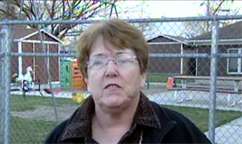
Utah and Arizona have taken a different course with polygamy. Bonnie Peters of The Family Support Center said, "Whether it's the children, the women, any of the families involved, even the protective service workers, it's a traumatizing event."
Peters advocates a Safety Net Program to help those involved in polygamy. Established by the attorneys general of Utah and Arizona, the idea is to open communication with members of polygamous communities, to make sure those affected by polygamy have access to justice, safety and social services. "These are families, and we need to keep that whole piece in mind," she said.
As part of that Safety Net Program, advocacy groups and members of the FLDS community in Utah and Arizona meet monthly. In Erickson's opinion, Texas is taking a better approach to dealing with the problems.
E-mail: jboal@ksl.com