Estimated read time: 2-3 minutes
This archived news story is available only for your personal, non-commercial use. Information in the story may be outdated or superseded by additional information. Reading or replaying the story in its archived form does not constitute a republication of the story.
Ed Yeates reporting No sooner has the Utah State Department of Health concluded one cluster study of cancer in Lindon, and another one is now under investigation in Alpine, Utah. Some residents there believe they're seeing an abnormal rate of leukemia.
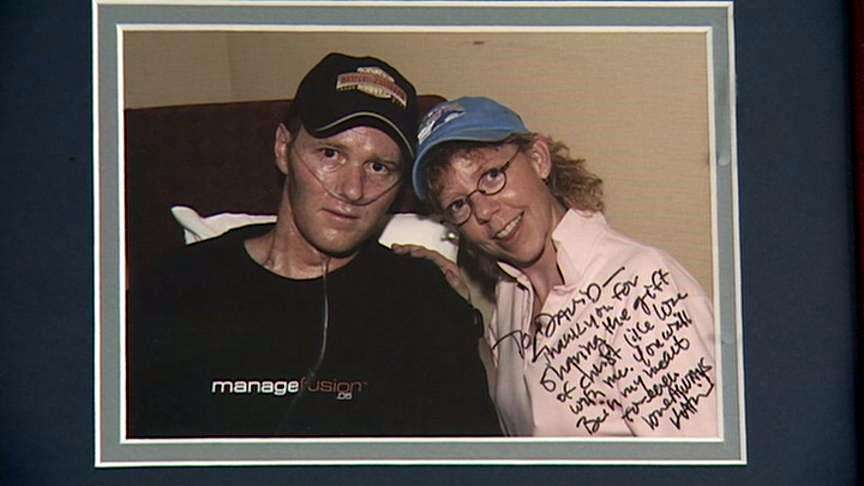
David Ahlstrom died of leukemia in 2005 at the young age of 33. He was diagnosed with the cancer nine months after moving to Alpine. He leaves behind his wife, Tonya, and six children.
"My husband was never sick a day in his life. He was never sick, and we move into this area where all of a sudden three within six months show up with leukemia cases," Tonya Ahlstrom said.
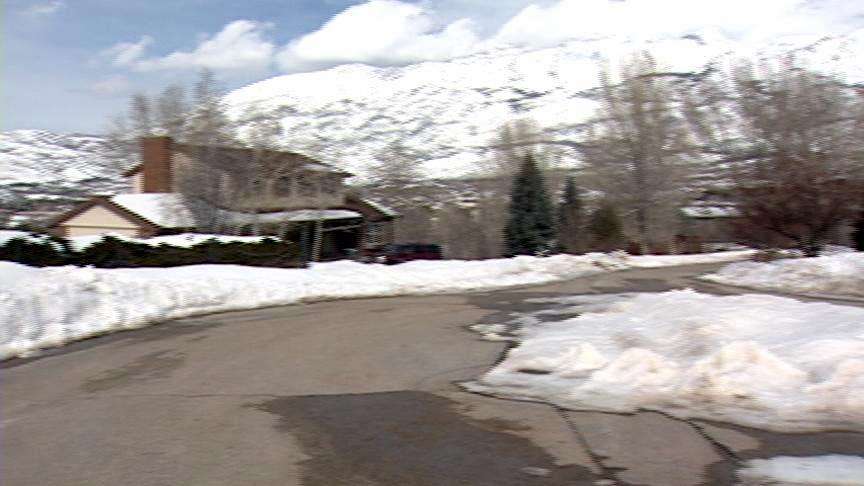
A year after David's death, another leukemia. Six months after that, another. Now there may be six to 10 cases.
The clustering in Alpine is very similar in pattern to others the state has already investigated. We're talking about reported cases of leukemia on six streets in close proximity to each other. But like other investigations, the state believes it will find a coincidental but normal range of cancer in these neighborhoods, with no real statistical significance.
"Of those, about 5 percent or so are statistically significant; and of those statistical ones, maybe 2 percent are really meaningful," explained Sam LeFevre, epidemiologist for the Utah State Department of Health.
In fact, no single environmental trigger was found in the only two meaningful clusters the state has found over the years. So far, in Alpine nothing has been found in the water or the air or the ground that could be associated with these leukemia cases. The study should be completed within three months.
Though studies like this seldom show anything significant, the Department of Health wants residents to continue calling any time they see what appears to be an abnormal incidence of cancer or any other disease. Neighborhood cluster studies are still the only way to find an anomaly.