Estimated read time: 9-10 minutes
This archived news story is available only for your personal, non-commercial use. Information in the story may be outdated or superseded by additional information. Reading or replaying the story in its archived form does not constitute a republication of the story.
SALT LAKE CITY -- According to a Nielsen report, the average home in America spends eight hours and 21 minutes watching television every day. With nearly 116 million homes having access to a TV, that would translate to more than 966 million hours spent in front of the tube. No wonder there is an aggressive campaign being waged by providers of television content across the country.
With cable TV providers and satellite dish companies battling for your dollars, which is the best choice? Or, is there an alternative to these two giants? Let’s look at the options, benefits and problems with each choice and see if there is a clear favorite.
Cable TV
Cable, also denoted as CATV, has been around since the 1950s and is popular because of its ready access in most communities. Like all other regulated utilities, cities and states have opted to license and tax cable providers. Being the oldest provider of pay TV, the pros and cons of cable are more readily apparent to most users.
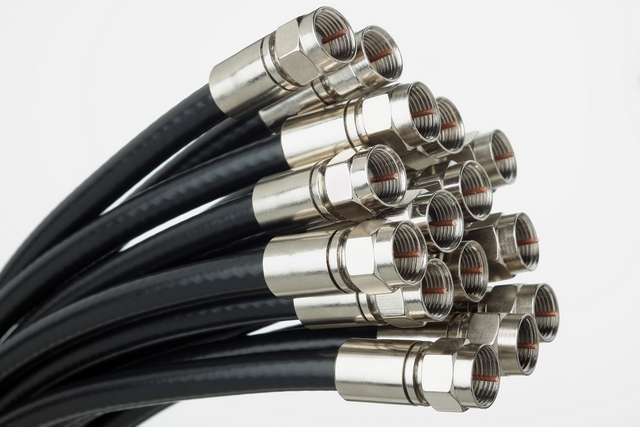
Benefits: CATV is a stable and well-regulated source of television programming. Most providers have a large number of channels to offer to customers and packages of programing can be purchased in a variety of ranges (both price and content). As a general rule, cable providers are able to avoid some of the signal problems that other sources encounter as they transmit programing. This results in less downtime for consumers and fewer service calls for providers. Newer additions to the cable lineup include HDTV on many channels (some are still analog), on-demand offerings for movies and some network shows and the option to add a DVR (digital video recorder) to the package. Additionally, cable providers generally have access to more local channels.
Another thing that, for some, may improve the desirability of cable is the option to package television with Internet and phone services. Since there is already a coaxial cable coming into the home to provide TV, it is usually pretty simple to add Internet and telephone access on the same line. Many times these packages will offer all three services for less than $100.
Problems: One of the strengths of cable TV is also one of its weaknesses. Well-established regulation means that the consumer will find a litany of small additional charges to their bill in the form of taxes and fees. While small in size, the number of taxes can add to the total cost of the cable bill. Many are surprised when they find their special-pricing package is not as low as they were sold because government has entered the fray.
Cable finds itself in the unenviable position of needing to offer some of its content in analog format instead of HD. This is often used as a selling point against cable but is usually a symptom of what they have been given by programmers.
#poll
Users who are planning to add DVR capabilities may be interested to know that many users of cable DVRs complain that the system is not as robust or easy to use as those offered by satellite providers. Some features are simpler and more intuitive with the satellite systems and can create frustrations with those who use cable versions.
Lastly, consumers choosing cable system providers are often told that cable uses less equipment that satellite because there is not dish to attach. While this is true, it should be noted that, as a rule, cable companies do not sell their equipment so if the customer changes service providers they must return all equipment to the CATV provider or be charged.
Conclusion: Cable is easy to set up, provides a hefty lineup of programing, has fairly reliable service and can be bundled with phone and Internet services. Costs are usually greater than other sources of programing and the DVR may not be as robust as other types.
Satellite Providers
Satellite (small dish DBS) TV has only been around since the 1990s and has changed the way consumers receive programing in their homes. No longer are folks who live in outlying areas denied the full range of channels offered in larger metropolitan areas. And with the reduction in size of the dish, any consumer can have a satellite receiver mounted on the home without losing the whole backyard. Unique challenges and opportunities have made this industry exciting to watch.
Benefits: In the past, many small communities that did not have sufficient households to justify a full- fledged cable TV system had to do without the benefit of extended channel offerings. The advent of satellite reception has opened the door for everyone to receive the programing they desire. There are even providers who focus on programs from particular countries or in specific languages.
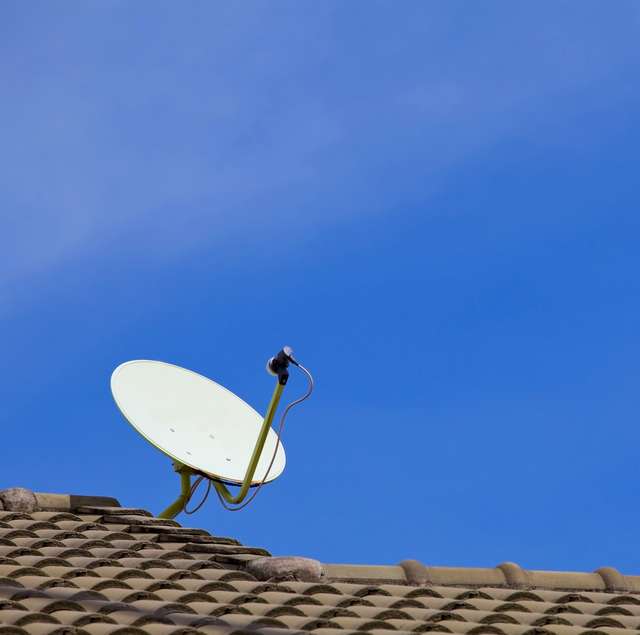
A distinct benefit of satellite over cable is that all channels are broadcast in high definition. Additionally, the equipment used for reception is generally purchased as part of the plan offered to the consumer, so there is no need to return boxes, remotes, etc., if services are changed.
A very tempting advantage for the satellite providers is the ability to offer packages of programing for much less than most cable bundles. Some satellite offerings begin at $20, including the purchase of equipment (with a multiyear commitment). Like cable TV, satellite has a large number of channels to offer customers. Packages based on price or content can satisfy the needs/desires of just about any user.
Finally, consumers report that the DVR systems provided by satellite companies are much more capable than those that come with cable systems. This may be because of limitations in the standard equipment offered by cable companies.
Problems: By far the biggest complaint with satellite services is problems with the reception of signal. Receivers mounted on homes must be pointed in the right direction and have an unobstructed view of the southern sky in order to receive a clear signal. Storminess, rain, snow and other weather conditions may also affect the clarity of the signal and the ability to receive services. Those who live with large structures around them may want to consider another option for television service.
Even though monthly costs for satellite can be less than cable, one consideration for consumers is the necessity to sign up for multiyear commitments with satellite. Cancelation fees for disconnecting before the term of the contract can be a shocking surprise to the homeowner. Also, because the consumer owns the equipment, service charges may make that a dicey circumstance.
As a final consideration, it should be noted that even though some satellite companies have joined with local phone and Internet providers, there is a weakness in this area. Having three separate companies to deal with for phone, Internet and TV can make life much more miserable than bundling all with the cable company.
Conclusion: Satellite is most often cheaper than cable and has the advantage of all HD programing. There is also the benefit of a (reportedly) better DVR with the satellite system. Unfortunately, reception of signal is a big problem in some instances and cancelation fees are a real discouragement if incurred.
Other Options
In recent years, there have been a number of offerings from companies seeking to enter the TV-provider market. Some have appeared and disappeared with swiftness and others seem to be hanging around while the industry tries to find traction. For the purposes of this article, Roku will be the system used as an example. This is not to say that Apple TV, Boxee or even Google TV won’t become the dominant figure. But at present, all Internet TV systems have the same basic features.
Internet TV is a fairly new way to catch your favorite shows. Sites like Hulu and NetFlix have made arrangements with the producers of television shows to offer network and other TV programming over the Internet. Roku and other Internet TV systems have tapped into that market to offer an easy way to connect the Internet to your home television.
Benefits: Most Internet TV systems take less than $300 to start, and the Roku box, at its most expensive, is only $99. Setup is simple: You turn on the box and go through a simple connection process to your Internet connection and you are ready to roll. At present there are a limited number of channels available but the variety grows every month. Each system has different providers but most include NetFlix, Hulu and Amazon. Some channels are free but many with network content have a monthly fee attached. The cost for each channel is usually in the range of $4.99-$8.99.
While this might seem to limit the range of offerings, the reality is that consumers can select exactly what content they wish to have in their home. Unlike cable or satellite, where users are paying for channels they will never watch, Internet TV allows consumers to choose exactly what they want to see. And if a particular channel becomes boring or objectionable, it is simple to cancel that product.
The Roku box comes in several varieties and includes versions that output HD and 5.1 audio. The only limitation is the speed of the Internet connection in the home.
Problems: The biggest impediment to Internet TV is the Internet itself. Many Internet service providers have begun choking access to the Internet if the user reaches certain usage limits. Customers are advised to check with the individual providers for rules on data flow.
Using Internet TV will require that the homeowner install an external high definition antenna in order to receive local television broadcasts. Most are inexpensive (less than $100) and many users have felt that the signal is clearer than what is sent by cable or satellite services.
The last concern is that, at present, there are a limited number of offerings when dealing with Internet TV. The projection is that as more users log on to the Internet for their TV, the programing options will increase dramatically.
Conclusion: Internet TV is a growing but still unstable part of the television package. Choices are limited and the future is not completely clear. With Internet TV, the consumer has the option to select exactly the programming they want. Prices of systems continue to come down and the features will undoubtedly continue to increase.
So, which method of TV delivery is best for the average user? That will depend on the needs, desires and pocketbook of the family looking for service. This one thing is sure: There will be more options in the future, so don’t become too attached to whatever it is you choose today.
Mike Whitmer lives in West Valley City and watches too much TV. You can reach him at grundelwalken@gmail.com or visit his blog at mtwhitmer.blogspot.com.