'%3e%3cpath%20d='M34.1406%205.85938C30.3906%202.10547%2025.3047%200%2020%200C14.6953%200%209.60938%202.10547%205.85938%205.85938C2.10938%209.61328%200%2014.6953%200%2020C0%2025.3047%202.10547%2030.3906%205.85938%2034.1406C9.61328%2037.8906%2014.6953%2040%2020%2040C25.3047%2040%2030.3906%2037.8945%2034.1406%2034.1406C37.8906%2030.3906%2040%2025.3047%2040%2020C40%2014.6953%2037.8945%209.60938%2034.1406%205.85938ZM37.0117%2023.543H31.1602V13.5391H27.6328V19.9414C28.1211%2020.6914%2028.3711%2021.582%2028.3711%2022.5625V22.625C28.3711%2023.668%2028.1172%2024.6055%2027.6328%2025.4297V26.6094H36.082C33.4883%2032.9375%2027.2891%2037.3789%2020.0039%2037.3789C10.3711%2037.3789%202.62109%2029.6289%202.62109%2020C2.62109%2010.3711%2010.3711%202.62109%2020%202.62109C29.6289%202.62109%2037.3789%2010.3711%2037.3789%2020C37.3789%2021.1484%2037.2617%2022.2656%2037.0508%2023.3477C37.0391%2023.4141%2037.0234%2023.4766%2037.0117%2023.543Z'%20fill='white'/%3e%3cpath%20d='M22.3086%2018.5352C20.4336%2018.125%2019.9531%2017.8398%2019.9766%2017.1836V17.1406C19.9766%2016.6992%2020.3477%2016.2148%2021.4023%2016.2148C22.582%2016.2148%2023.8867%2016.6797%2025.0781%2017.4766L26.8516%2015.0195C25.4453%2013.8906%2023.707%2013.3398%2021.5547%2013.3398C18.5195%2013.3398%2016.4375%2015%2016.4063%2017.4766V17.5352C16.3633%2020.2617%2018.5859%2020.9805%2021.293%2021.6016C23.0391%2021.9766%2023.5703%2022.3164%2023.5703%2022.9609L23.5469%2022.9766C23.5469%2023.3906%2023.2578%2023.7031%2022.7852%2023.8359C22.5742%2023.9062%2022.1289%2023.9727%2021.5156%2023.9727C20.7617%2023.9727%2019.7539%2023.8633%2018.6328%2023.4844C18.0898%2023.2891%2017.4727%2023.0039%2016.8047%2022.6133L20.1406%2026.625C20.2813%2026.6602%2021.0977%2026.8516%2021.7734%2026.8516C25.0039%2026.8516%2027.0859%2025.2461%2027.1094%2022.6328V22.5703C27.1602%2020.1133%2025.2148%2019.1719%2022.3086%2018.5352Z'%20fill='white'/%3e%3cpath%20d='M5.24219%2013.5664V26.6133H8.75391V23.7578L10.2969%2021.9531L14.2031%2026.6133H18.3867L12.3555%2019.5195L17.4023%2013.5664H13.4531L8.75391%2019.0586V13.5664H5.24219Z'%20fill='white'/%3e%3c/g%3e%3cdefs%3e%3cclipPath%20id='clip0_97_2430'%3e%3crect%20width='40'%20height='40'%20fill='white'/%3e%3c/clipPath%3e%3c/defs%3e%3c/svg%3e)



Estimated read time: 2-3 minutes
This archived news story is available only for your personal, non-commercial use. Information in the story may be outdated or superseded by additional information. Reading or replaying the story in its archived form does not constitute a republication of the story.
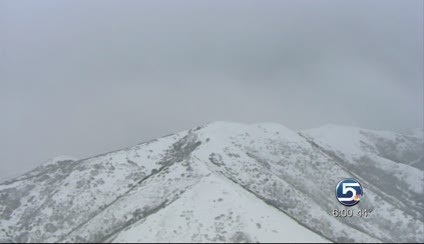
SALT LAKE CITY -- A major storm system is pushing its way into the state, hauling in strong winds and several inches of rain and snow. The winter-like weather has been bad news for gardeners, but it's downright dangerous on Utah's slopes.
8 out of 10 avalanches occur after a storm when new snow is added to existing snow cover on a slope.
The warnings are out, and KSL 5 meteorologist Dan Pope says there's good reason.
"It's got a lot of wind, and those winds will potentially be a problem for high-profile vehicles, and then a period of very heavy snowfall," Pope says.
Though not unusual for this time of year, Pope says storms like this can be made stronger by the fact that we've had warmer temperatures -- that helps places like the Great Salt Lake enhance storms.
Related:
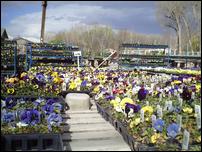
Here comes the snow; early gardeners take precautions
A lot of people have been showing their excitement for warmer weather by working in the garden and yard, but a spring snowstorm could cause problems.The spring snowstorm also has the Utah Avalanche Center on high alert. Over the weekend, a Bountiful man died in an avalanche in Morgan County. Lee Gardner, 43, was snowmobiling with a friend when a slide on Francis Peak buried him.
The avalanche center is warning anyone who plans to hit the slopes this week.
"[With] more snow and strong winds on tap, the Utah Avalanche Center has issued an avalanche warning; so what we expect is both natural avalanches are likely, and human triggered avalanches will be likely in the next couple days," says Craig Gordon, forecaster with the Utah Avalanche Center.
Snow isn't the only concern among avalanche forecasters. Drew Hardesty, also with the Utah Avalanche Center, says the windstorm that hit northern Utah last week left a thin layer of dust on the snow-pack in many areas.
"There can be different ways in which the snow bonds to it," Hardesty explained. "Sometimes there's just a poor bond to that dusty layer, and we're seeing, again, avalanches breaking down above and beneath that layer."
The avalanche center says the mountains have received 30 to 40 inches of snow, and that's just since April 1. Forecasters say people need to remember that in the mountains, it's still very much winter.
"It's getting super sketchy up in the mountains. People want to avoid avalanche terrain all together," Gordon says. "If you want to get some ‘freshies,' the best place to be is going to be in the resorts."
If you are headed up to the slopes, visit the Utah Avalanche Center's website to check the latest avalanche conditions.
The center has posted an avalanche watch Tuesday for the Bear River Range, the Western Uintas, the entirety of the Wasatch Range and the Wasatch Plateau.
-----
Story compiled with contributions from Anne Forester and Marc Giauque.