- Utah Rep. Blake Moore advocates for $1 billion for Great Salt Lake funding.
- He argues the lake's health impacts air quality snowpack and jobs in the West.
- The funding aims to restore ecosystems and improve water flow to prevent collapse.
SALT LAKE CITY — Utah Rep. Blake Moore sought to sell his colleagues in the House of Representatives on the $1 billion carved out for the Great Salt Lake in President Donald Trump's latest budget request, arguing the large sum of federal funding would benefit more than just the Beehive State.
"This may sound like it's a large price tag," Moore said in a House Budget Committee hearing on Wednesday. "This investment is monumental, but I want to ensure my colleagues that the investment now will save taxpayers down the road from future calamity."
The health of the Great Salt Lake is important to all states in the Great Basin region, Moore argued, calling it an "environmental and economic anchor" for the area.
"(The lake affects) air quality, snowpack and thousands of jobs across the West," Moore said.
Moore made the case during a hearing with Office of Management and Budget Director Russell Vought this week, the first hearing to examine Trump's budget request since it was given to Congress earlier this month. Tucked into the request is $1 billion for the Great Salt Lake, which the Deseret News was the first to report on.
The money is instructed to go toward establishing a "comprehensive federal program" led by the Interior Department, according to the budget. The department will work with the U.S. Army Corps of Engineers, the U.S. Department of Agriculture and the Environmental Protection Agency to improve water flow into the lake.
The money will be used to restore ecosystems, remove invasive species, and deal with toxins within the lake bed "outside of any active environmental remediation sites."
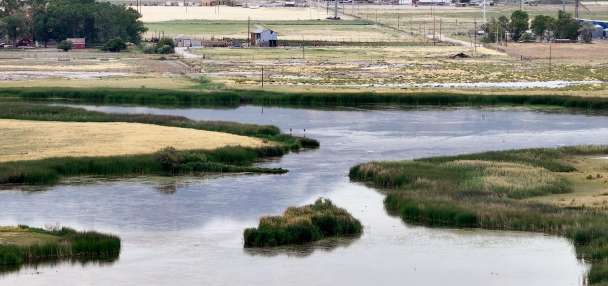
The cash boost comes as Great Salt Lake water levels have dramatically dropped over the last decade or so, placing it on the verge of collapse, according to warnings from local scientists and researchers. If the lake were to dry up, it would expose the Wasatch Front to toxic dust and pollutants.
But the budget line could still face an uphill battle before it is approved as the price tag is high — and other programs may see a funding decrease in an attempt to offset the costs. But Moore has said he is hopeful the request will be approved.