Estimated read time: 2-3 minutes
LOGAN — The work of a Utah State University team — as well as one of nature’s engineers — is preventing farmland from drying up in Utah and across the west. By observing, studying and working with beaver, Utah State Riverscapes professor Joe Wheaton is teaching students how to provide solutions to local farmers.
Beaver: A necessary nuisance
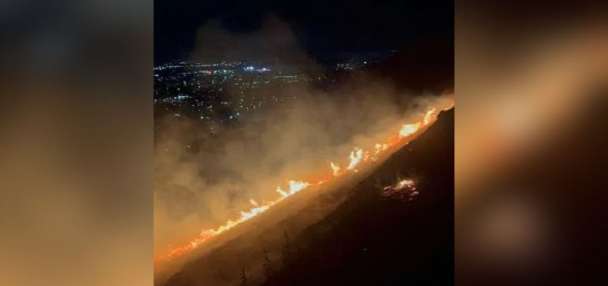
Though the animal can be seen as a nuisance their ability to spread water is unmatched. “If we look at the areas where beaver are building the dams, we call it ‘the water magic trick.’ The water will stay around longer,” Wheaton said. Here’s how. By strategically building their dams, beavers help the land hold on to water longer. They’re helping the Utah valleys act more like sponges. "There isn't any more water, it's just manipulating the timing," Wheaton said. "Instead of it all running off in a big flood, in the spring, it's capturing some of that spring peak runoff and spreading it out and soaking up the sponge." Wheaton's team works with other crews to trap beaver. They're kept safe and healthy in USU’s “beaver bunkhouse.” Then, they reintroduce the beavers to land where the water is running dry. Their work is featured on PBS’ series “Shared Planet.” In one instance, Wheaton’s team helped build starter dams for an Idaho cattle rancher who’d had unsuccessfully tried to bring beaver back to his area. “We built 25 fake dams to give them some choices,” Wheaton said. “They used all of them, rebuilt a bunch of them better than we could, and then they built another 250.” Can a creature as small as a beaver, or even hundreds of them, help to fill Great Salt Lake? Wheaton said the answer is no, but that doesn’t mean the work of the resourceful rodent can’t still benefit Utahns in a very big way. “When the big floods come, it makes those less damaging. And then as the sponges fill up and, as wildfires spread through an area, these act as firebreaks,” he said. “(These are) also places where even firefighters are going to for safety, (where) livestock and wildlife go to for refugia." Wheaton’s work is being done with the help of beaver across Utah, the West, and the rest of the country. You can see this work on the PBS series "Shared Planet," premiering Wednesday, May 20, at 8:00 PM MDT. It streams free on PBS.org and on the PBS app for 30 days.
Other reading: Utah program helping relocate beavers to restore environment