- Critics of the Box Elder County data center proposal led a tour of the remote area where it would be developed.
- The intense uproar over the project has died down, for now, but the opponents still worry about the environmental impacts of the plans.
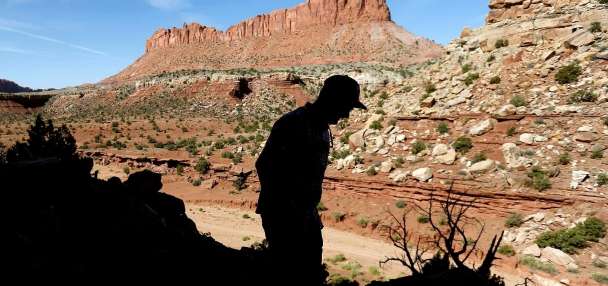
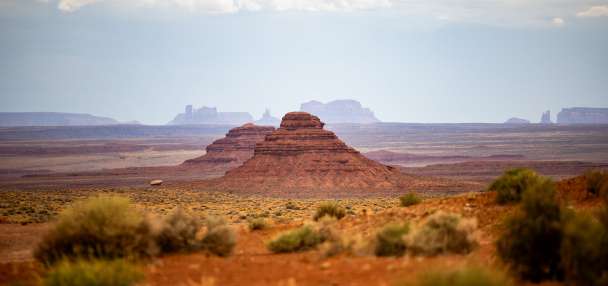
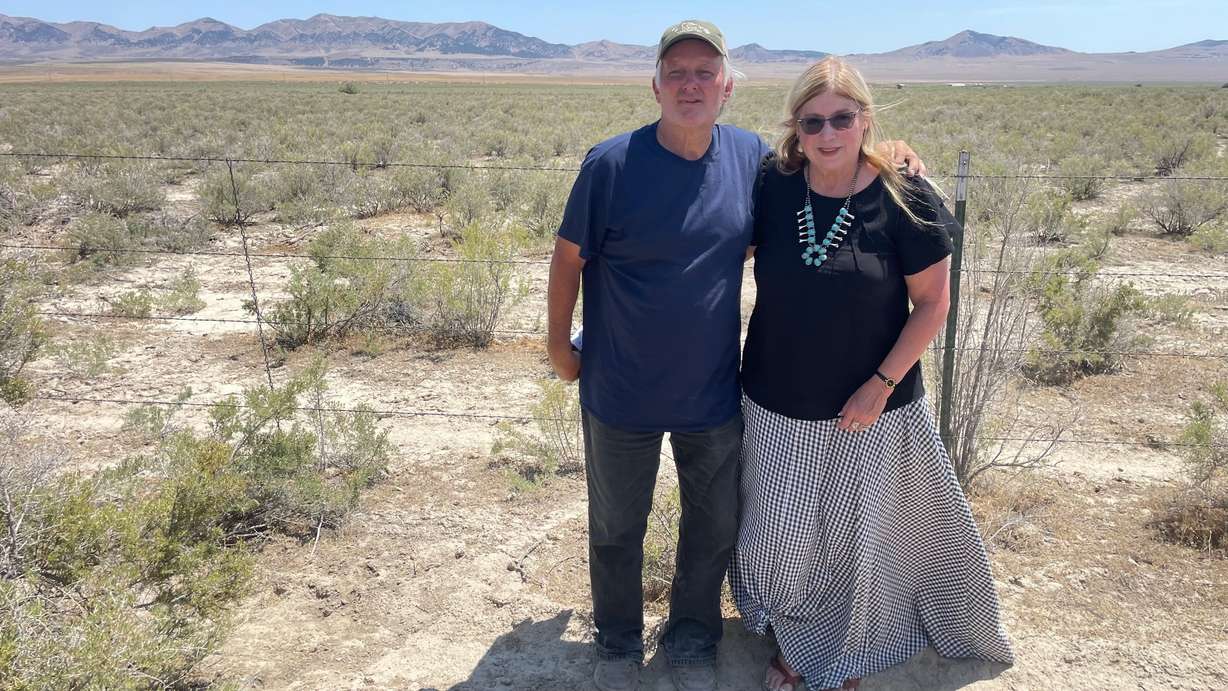
- The project area is characterized by dry scrub and mountains off in the distance.
HANSEL VALLEY, Box Elder County — Brenna Williams has high praise for the dry scrubland of Box Elder County where a data center is to be built.
"I think the land out here is sacred," she said. "It's austere, but it's pristine. It's a different kind of beauty."
The Hansel Valley in Box Elder County is home to a proposed data center and power-production operation and ground zero in the debate in Utah about when and whether such operations are an appropriate fit in the state. The proposal, spearheaded by Canadian businessman Kevin O'Leary, has sparked fierce backlash, and Williams and other foes of the plans offered a tour of the area on Monday, reiterating their concerns and giving the media an up-close look at the remote zone.
"I believe we have a sacred responsibility to protect these areas as stewards of the Earth," said Ben Abbott, executive director of Grow the Flow, an environmental group, and another participant in Monday's tour. Proponents tout the data center plans as key to national security, say they would promote economic development and maintain that environmental worries are overblown.
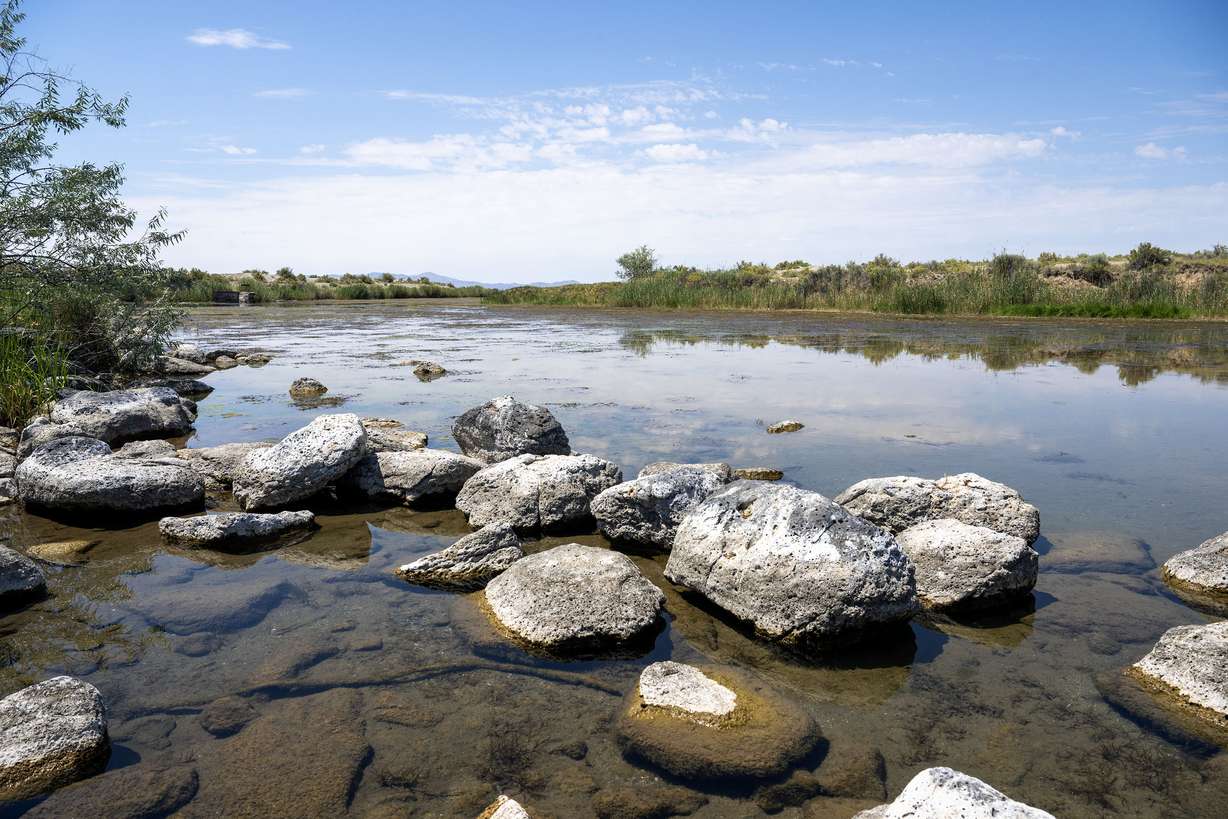
The Hansel Valley site sits northeast of the northern tip of the Great Salt Lake, and the water the operation would use and its potential impact on the drying lake are key concerns for the opponents. As such, the future of the lake and the importance of protecting it figured big among those involved in the tour, including Rhonda Lauritzen and her two brothers, Bruce Anderson and Val Anderson. The three siblings own and operate Mineral Resources International, a small Ogden-based firm that extracts minerals from the Great Salt Lake for use in foods and supplements.
"The Great Salt Lake needs to be saved," Bruce Anderson said from the Mineral Resources offices before the tour, calling out what he sees as the government overreach and lacking local input that went into the plans. "This is not just a right-wing or left-wing issue. We're all coming together in Utah."
The plans sparked intense backlash when they publicly emerged last April. They also led to the ouster of three political officials in primary voting last June who helped move the plans forward, Utah Senate President Stuart Adams and Box Elder County Commissioners Boyd Bingham and Lee Perry. Much of the public uproar has died down and O'Leary Digital Chief Executive Officer Paul Palandijian said after the June vote that the plans are still moving forward.
The critics are still fighting the proposal in court as part of their efforts to stall it or force more change to it, however, and used Monday's tour — organized by Grow the Flow and Mineral Resources International — to keep a focus on the issue. The project, calling for a data center operation and up to 9 gigawatts of power-producing capacity to serve it, would be spread over about 20,000 acres of land in the Hansel Valley.
'Upset me pretty bad'
Alan Williams, Brenna Williams' husband, is vying for a seat on the Box Elder County Commission given his concern over the issue and also took part in the tour. He's vying as an unaffiliated candidate along with Republican Vance Smith for the seat held by Bingham, defeated by Smith in the June primary.
"The way they did it upset me pretty bad," said Williams, alluding to what he believes was the short shrift given to critics of the plans and lacking efforts to get public feedback. "The will of the people wasn't even heard. They said this is a done deal."
Abbott, also an associate professor of environmental science and sustainability at Brigham Young University in Provo, worries about the water to be used by the power-generating element of the proposal. At least a portion of the power would be generated by natural gas, which he fears could require heavy water use, depleting groundwater resources and adversely impacting the water ecosystem that feeds the Great Salt Lake.
"There are huge questions on the power side of this," he said. More thorough research is needed, he maintains, on the potential impacts of the plans.
Monday's tour included a stop at a trough for cattle fed by underground water. Cattle, Lauritzen said, don't require a lot of water, and transferring the rights for water allocated for the critters to the data center, a possibility, would result in heavier water use, depleting underground supplies.
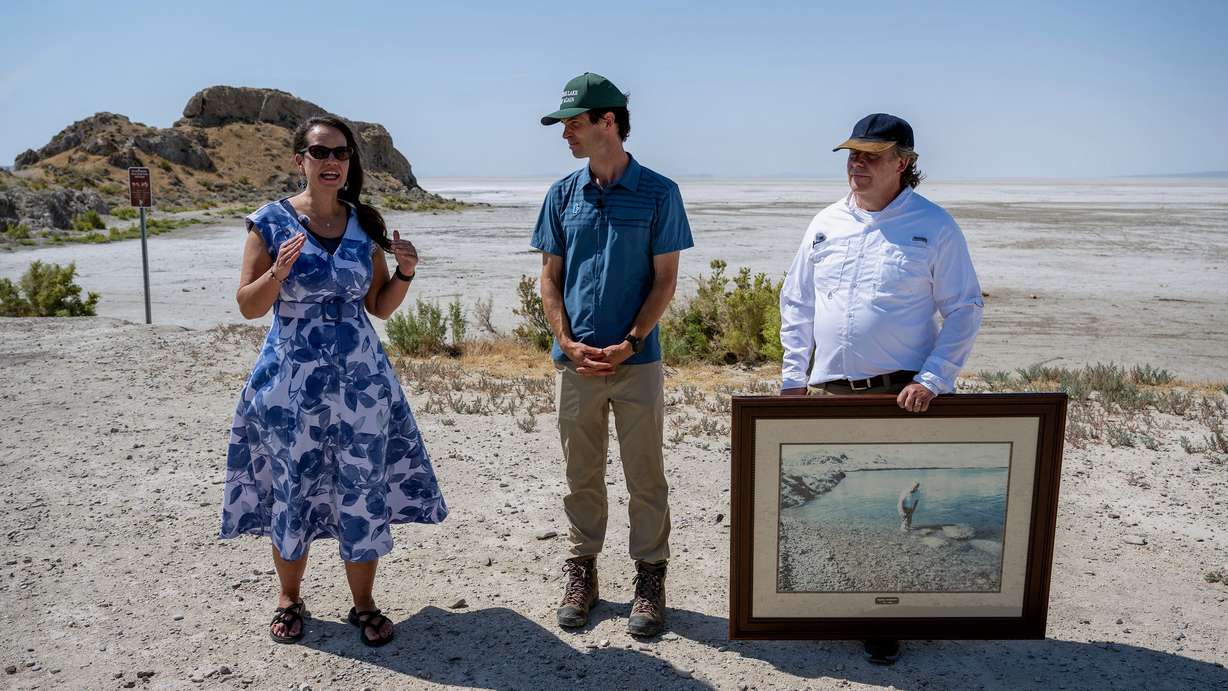
A rock outcropping that used to be surrounded by water but now sits 4.5 miles from the lake's edge was another stopping point. Lauritzen and Val Anderson held a photo of their late father, Hartley Anderson, wading in the water at the location in the late 1980s or 1990s, contrasting that with the dry conditions that now predominate due in part to diversion of water that used to feed the lake.
"The lake is at point critical," Anderson said.
The desolate region, characterized by scrubby brush and mountains in the distance, gets few visitors. Target shooters visit the area of the rock outcropping judging by bullet casings and empty shotgun shells scattered on the ground. No other cars traversed the dirt roads that cut through the area during the tour, though.
Nevertheless, the issue has sparked the concern of many, according to Lauritzen.
The ouster of Adams, Boyd and Perry "was an inflection point," she said. "I'm telling you — people in Utah are saying they've had enough."

Photos
Related stories
Most recent Data Centers stories
Related topics
 Tim Vandenack