- Sen. Mike Lee proposes a constitutional amendment to limit birthright citizenship.
- The Supreme Court upheld birthright citizenship, rejecting an executive order by President Donald Trump.
- The ruling was more narrow than many expected, leaving some conservatives optimistic about overturning it.
SALT LAKE CITY — Sen. Mike Lee and other conservatives have floated potential changes to the Constitution to limit birthright citizenship after the U.S. Supreme Court rejected an executive order meant to deny citizenship to those born to people who are in the country illegally or temporarily.
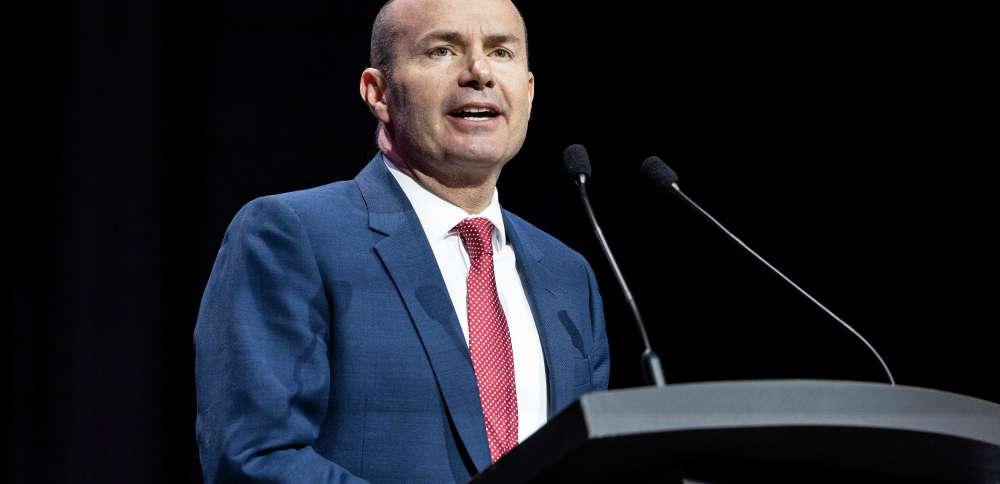
Lee, a Utah Republican, said a constitutional amendment was needed following the Tuesday ruling, and later posted in support of an amended executive order that would focus only on limiting birthright citizenship in U.S. territories.
"We're going to need a constitutional amendment," the senator posted on his personal X account Tuesday.
He went further in a post a couple of hours later, saying: "In today's world, unrestricted, automatic birthright citizenship is suicidal."
"The Supreme Court could and should have read the Fourteenth Amendment as something other than a suicide pact," the post continued. "Those who drafted and ratified that provision certainly didn't regard it as such."
The ruling upholding birthright citizenship was much more narrow than some court watchers expected, as it has been a long-settled issue by many that the 14th Amendment and federal laws give anyone born in the country citizenship, with some narrow exceptions. The amendment was adopted after the Civil War to ensure that Black people had citizenship but has been applied more broadly.
"All persons born or naturalized in the United States, and subject to the jurisdiction thereof, are citizens of the United States and of the State wherein they reside," the amendment's Citizenship Clause reads.
Restricting birthright citizenship is a key plank in President Donald Trump's immigration agenda, and some conservatives have expressed concern about the children of undocumented immigrants being born in the U.S. or about foreign nationals visiting the country with the intent to give birth to a child with U.S. citizenship.
Trump issued the executive order restricting citizenship last year, and his administration argued that the 14th Amendment "does not require the country to confer citizenship on people who are not actually domiciled here," according to Matthew Brogdon, the senior director of Utah Valley University's Center for Constitutional Studies.
Being domiciled means someone has made their home in the U.S., and had the court accepted the administration's argument, it could have restricted citizenship to children of people who are just visiting the U.S.
"The argument of (some) scholars and of the administration in this case was that the 14th Amendment did not envision a situation like that," Brogdon told KSL's "Inside Sources" Tuesday. "So there's a quite serious intellectual debate and quite a serious historical dispute between the majority of the court and the dissenters in the case."
Republican lawmakers have proposed other changes to immigration in light of the court's ruling. Rep. Andy Ogles, of Tennessee, introduced a bill to prevent some pregnant foreign nationals from entering the U.S.
In a post shared by Lee, Ogles called the Supreme Court's ruling on birthright citizenship "a betrayal of American sovereignty" and "a direct attack on our national security."
Vice President JD Vance told Fox News on Tuesday that the administration is looking into restricting birthright citizenship in U.S. territories and considering other ways to change citizenship. He said the narrowness of the court ruling is a "silver lining" because "we actually have an opportunity to reverse this decision, just as we reverse so many bad decisions throughout the generations."