Estimated read time: 3-4 minutes
- Rep. Mike Kennedy advocates relocating U.S. Forest Service HQ to Salt Lake City.
- Kennedy supports wildfire bills like the TORCH Act and Fix Our Forests Act.
- Critics argue the proposed bills may weaken environmental protections and limit judicial oversight.
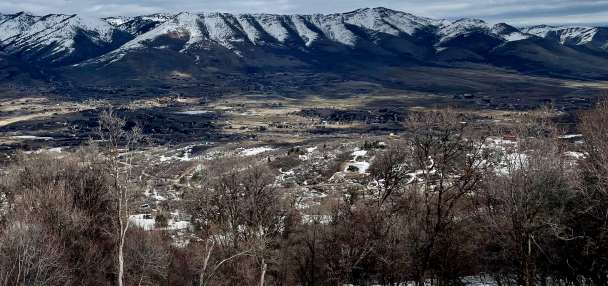
SALT LAKE CITY — As Utah continues to battle multiple large wildfires, Rep. Mike Kennedy, R-Utah, is calling the fires not just a tragedy, but the result of decades of forest mismanagement.
Speaking with KSL, Kennedy said many lawmakers in Washington, D.C., do not fully understand the challenges Western states face because they do not regularly experience the impacts of large wildfires.
"Wildfires like this are not something that they experience," Kennedy said. "There's a lot of people that don't really understand the issues that we deal with our vast federal lands."
Utah had 10 large wildfires burning Thursday evening, affecting wildlife habitat, air quality, recreation, tourism, home safety and more across the state.
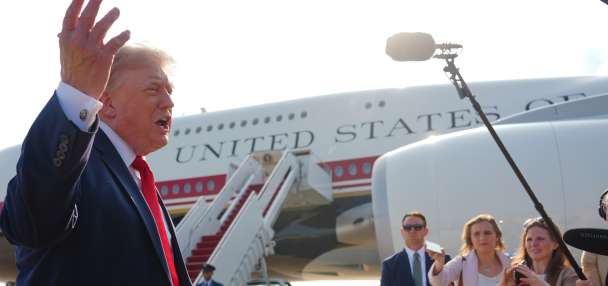
Kennedy said one of his recommendations is to follow through on a Trump administration proposal to relocate the U.S. Forest Service headquarters from Washington, D.C., to Salt Lake City.
He described the proposal as an opportunity to place federal decision-makers closer to the land they oversee.
"It's an A-grade movement for us," Kennedy said. "It's an opportunity for us to bring the regulators into the middle and let them see and feel and touch the circumstance that we're associated with."
Kennedy added that he would also like Utah to have a greater role in managing federally owned lands within the state.
Kennedy is supporting three pieces of legislation aimed at addressing wildfire risk and forest management:
- The TORCH Act, currently pending in the House.
- The Fix Our Forests Act, passed the House and pending in the Senate.
- The Utah Wildfire Research Institute Act, passed the House and pending in the Senate.
The Utah Wildfire Research Institute Act would establish a research team at Utah State University tasked with studying Utah's forests and developing wildfire-prevention strategies tailored to the state's unique conditions. Kennedy adds they'd also improve forest and rangeland management and strengthen long-term resilience, and said states like Arizona, New Mexico and Colorado already have funding for similar research programs.
"Our geography is unique. We live in a mountainous region. It's arid. It is a dry climate," Kennedy said. "The forests are different than even in our neighboring state like Colorado. And so the Utah Wildfire Research Institute Act is merely an effort to bring a research institute to the state of Utah."
The TORCH Act and Fix Our Forests Act would expand tools available to federal land managers, including increased logging, grazing and removal of dead or hazardous trees in some areas. The bills would also streamline portions of the environmental review process for certain forest-management projects that usually go through the National Environmental Policy Act.
Kennedy argued that harvesting dead timber could reduce wildfire hazards while creating economic opportunities.
"It would allow proper harvesting of this dead timber so that commercial entities could come in and not only remove the deadfall that's present and reduce the fire hazard associated with that," he said, "but they could use it and make money off of it so we're not shipping timber in from Canada, which is what we're doing to build our houses here in this country."
Critics of the legislation argue the bills would weaken environmental protections by reducing ecosystem reviews, limiting protections for endangered species in some circumstances and restricting judicial oversight of federal forest-management projects.
The debate largely centers on whether environmental review requirements should be streamlined to accelerate wildfire-mitigation efforts. Kennedy believes we need to act now.
"We're not just passively allowing these federal lands to sit there," he said. "There are ways that we can actually take this problem that we have and subsequently, over the next decade or two, make it so it's better."