'%3e%3cpath%20d='M34.1406%205.85938C30.3906%202.10547%2025.3047%200%2020%200C14.6953%200%209.60938%202.10547%205.85938%205.85938C2.10938%209.61328%200%2014.6953%200%2020C0%2025.3047%202.10547%2030.3906%205.85938%2034.1406C9.61328%2037.8906%2014.6953%2040%2020%2040C25.3047%2040%2030.3906%2037.8945%2034.1406%2034.1406C37.8906%2030.3906%2040%2025.3047%2040%2020C40%2014.6953%2037.8945%209.60938%2034.1406%205.85938ZM37.0117%2023.543H31.1602V13.5391H27.6328V19.9414C28.1211%2020.6914%2028.3711%2021.582%2028.3711%2022.5625V22.625C28.3711%2023.668%2028.1172%2024.6055%2027.6328%2025.4297V26.6094H36.082C33.4883%2032.9375%2027.2891%2037.3789%2020.0039%2037.3789C10.3711%2037.3789%202.62109%2029.6289%202.62109%2020C2.62109%2010.3711%2010.3711%202.62109%2020%202.62109C29.6289%202.62109%2037.3789%2010.3711%2037.3789%2020C37.3789%2021.1484%2037.2617%2022.2656%2037.0508%2023.3477C37.0391%2023.4141%2037.0234%2023.4766%2037.0117%2023.543Z'%20fill='white'/%3e%3cpath%20d='M22.3086%2018.5352C20.4336%2018.125%2019.9531%2017.8398%2019.9766%2017.1836V17.1406C19.9766%2016.6992%2020.3477%2016.2148%2021.4023%2016.2148C22.582%2016.2148%2023.8867%2016.6797%2025.0781%2017.4766L26.8516%2015.0195C25.4453%2013.8906%2023.707%2013.3398%2021.5547%2013.3398C18.5195%2013.3398%2016.4375%2015%2016.4063%2017.4766V17.5352C16.3633%2020.2617%2018.5859%2020.9805%2021.293%2021.6016C23.0391%2021.9766%2023.5703%2022.3164%2023.5703%2022.9609L23.5469%2022.9766C23.5469%2023.3906%2023.2578%2023.7031%2022.7852%2023.8359C22.5742%2023.9062%2022.1289%2023.9727%2021.5156%2023.9727C20.7617%2023.9727%2019.7539%2023.8633%2018.6328%2023.4844C18.0898%2023.2891%2017.4727%2023.0039%2016.8047%2022.6133L20.1406%2026.625C20.2813%2026.6602%2021.0977%2026.8516%2021.7734%2026.8516C25.0039%2026.8516%2027.0859%2025.2461%2027.1094%2022.6328V22.5703C27.1602%2020.1133%2025.2148%2019.1719%2022.3086%2018.5352Z'%20fill='white'/%3e%3cpath%20d='M5.24219%2013.5664V26.6133H8.75391V23.7578L10.2969%2021.9531L14.2031%2026.6133H18.3867L12.3555%2019.5195L17.4023%2013.5664H13.4531L8.75391%2019.0586V13.5664H5.24219Z'%20fill='white'/%3e%3c/g%3e%3cdefs%3e%3cclipPath%20id='clip0_97_2430'%3e%3crect%20width='40'%20height='40'%20fill='white'/%3e%3c/clipPath%3e%3c/defs%3e%3c/svg%3e)




- Vice President JD Vance highlighted a case of Medicaid fraud as to why the government is targeting it.
- The federal task force has identified over $30 billion in suspected fraudulent activities.
- Despite Vance inviting all attorneys general, a group of Democratic attorneys general cited short notice as the reason for not attending.
SALT LAKE CITY — Last week, 15 people were indicted in Minnesota for fraud-related crimes. During a roundtable discussion with leadership in the Task Force to Eliminate Fraud and attorneys general from around the country, Vice President JD Vance said one of the 15 cases in particular drew his attention.
The man indicted "was supposed to be providing services to allow elderly people to live full and independent lives, and what happened instead is that the man who was supposed to provide these services, reimbursed by the Medicaid program, was providing nothing, no services, no help, no check-ins, and the very man, the vulnerable elderly man that he was supposed to be protecting and looking after, was reimbursed by the taxpayer in order to do exactly that, that man died," Vance shared. "One day before he died, after months of being neglected by the caretaker who was getting reimbursed by the American people, one day before he died, he submitted his final reimbursement for services he never provided for a man he never cared for, and that man lived his final moments on this Earth, neglected, while a fraudster got rich by providing services that he never actually provided."
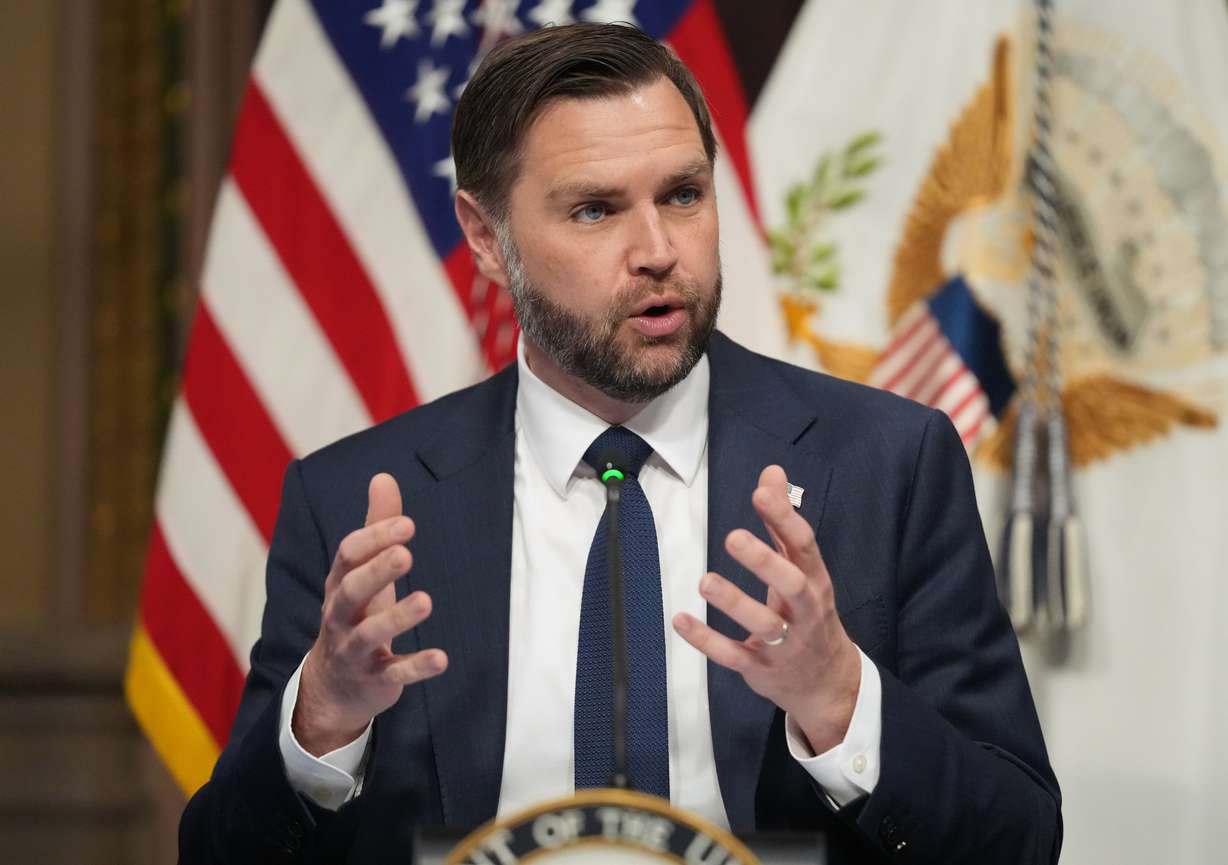
That case is a prime example of why the federal government is targeting fraud, he explained: "These are not victimless crimes. Sometimes the most vulnerable people in our community are the ones who suffer when we don't take fraud seriously."
Attorneys general meet with fraud task force
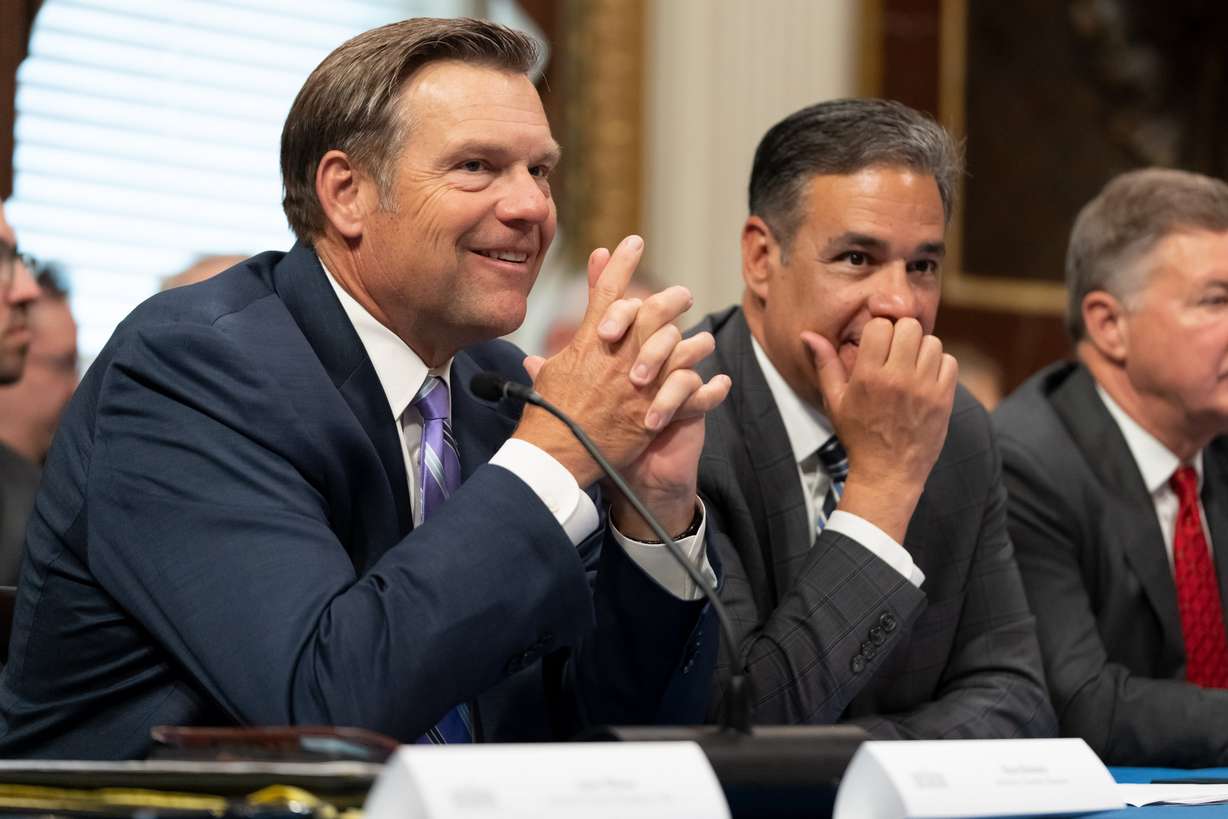
During the public part of the roundtable discussion on Tuesday, leadership in the fraud task force expressed determination to rapidly pursue fraud across the country.
Since the creation of the task force in March, leadership shared the following efforts already made in the months that followed:
- Referring more than $22 billion in fraudulent small business loans to the Treasury for collection.
- Deferring over $1.3 billion in suspicious Medicaid reimbursements.
- Freezing new hospice and home health enrollments for six months due to fraud concerns.
- Identifying $6.3 billion in suspected fraudulent government contracts.
- Blocking $60 million in student aid fraud.
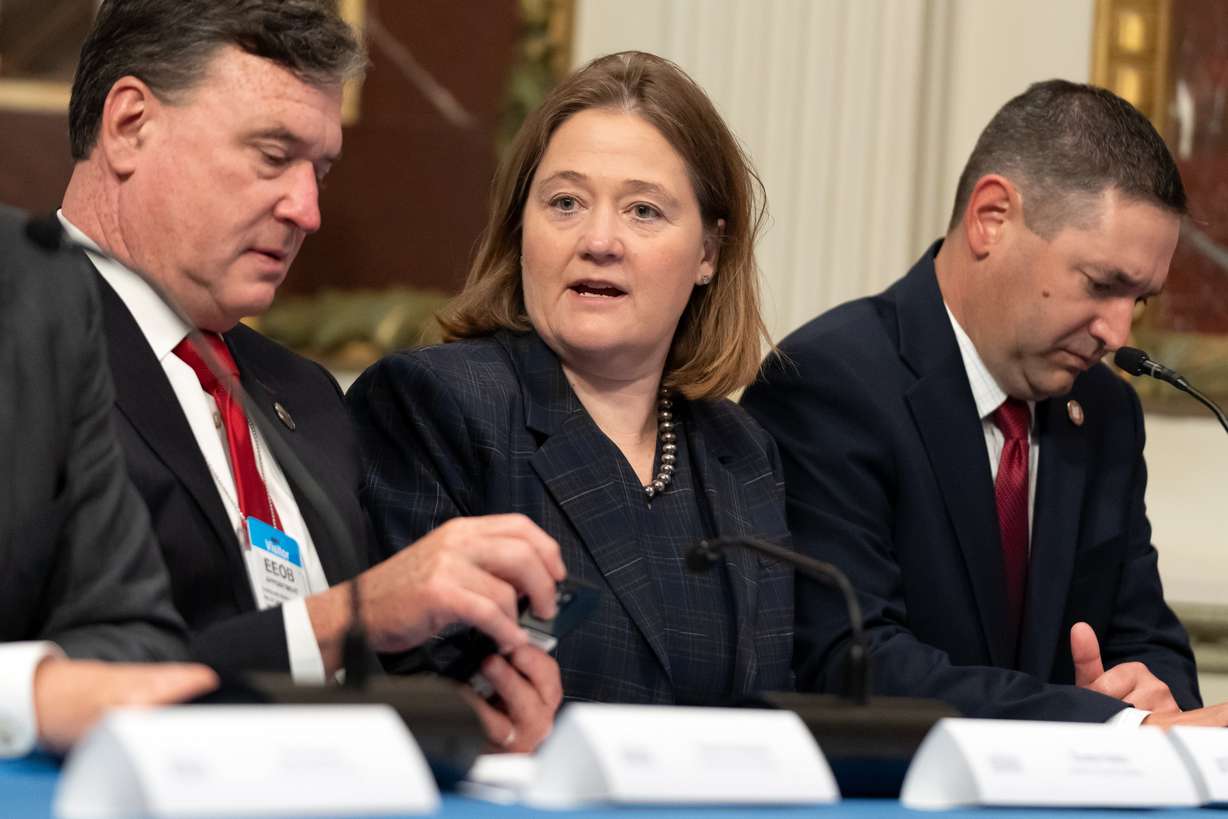
According to Politico, Vance invited all attorneys general to attend the roundtable discussion, arguing that the fight against fraud should be a bipartisan effort.
Only two representatives from states with Democratic attorneys general — Connecticut and Oregon — attended the event. There were 13 Republican AGs represented on Tuesday, including Utah Attorney General Derek Brown.
A group of Democratic attorneys general sent a letter to Vance, citing insufficient notice or an agenda as reasons they were unable to attend.
"While we would appreciate the opportunity to engage in serious discussions, the invitation was provided with less than one business day's notice with no agenda," the letter said. "This short notice does not match the spirit of collaboration that has long defined our joint efforts with federal partners. Accordingly, we respectfully decline to attend at this time."
Federal Trade Commission Chairman Andrew Ferguson blamed both the Obama and Biden administrations for worsening fraud in federal benefits systems and argued the U.S. has lost its "culture of trust." He also compared the benefits fraud to retail theft and organized scams increasingly seen across the country.
"The social trust has evaporated and people are taking advantage of it, and the same is true with our federal benefits programs," he said. "Huge segments of the population have decided to take advantage of this generosity and trust of American citizens through deception and fraud, and billions and billions of dollars each year leave our programs into the hands of pirates, fraudsters, scammers, and gangs who treat American generosity as little more than a get-quick-rich scheme."
The roundtable discussion was only open to the media for about 20 minutes before being closed for private discussion.
A spokesperson for Brown's office told the Deseret News that solving fraud in federal programs is "solvable," but only if federal and state collaborators work "from the same playbook and the same data."
"Utah's Medicaid fraud unit brought specific, actionable proposals to today's roundtable: modernizing patient record access for fraud investigators and expanding data sharing so cross-state billing schemes don't fall through the cracks between jurisdictions," the statement added. "AG Brown is encouraged by the task force's focus, and Utah will stay at the table as long as there is fraud in our state."