'%3e%3cpath%20d='M34.1406%205.85938C30.3906%202.10547%2025.3047%200%2020%200C14.6953%200%209.60938%202.10547%205.85938%205.85938C2.10938%209.61328%200%2014.6953%200%2020C0%2025.3047%202.10547%2030.3906%205.85938%2034.1406C9.61328%2037.8906%2014.6953%2040%2020%2040C25.3047%2040%2030.3906%2037.8945%2034.1406%2034.1406C37.8906%2030.3906%2040%2025.3047%2040%2020C40%2014.6953%2037.8945%209.60938%2034.1406%205.85938ZM37.0117%2023.543H31.1602V13.5391H27.6328V19.9414C28.1211%2020.6914%2028.3711%2021.582%2028.3711%2022.5625V22.625C28.3711%2023.668%2028.1172%2024.6055%2027.6328%2025.4297V26.6094H36.082C33.4883%2032.9375%2027.2891%2037.3789%2020.0039%2037.3789C10.3711%2037.3789%202.62109%2029.6289%202.62109%2020C2.62109%2010.3711%2010.3711%202.62109%2020%202.62109C29.6289%202.62109%2037.3789%2010.3711%2037.3789%2020C37.3789%2021.1484%2037.2617%2022.2656%2037.0508%2023.3477C37.0391%2023.4141%2037.0234%2023.4766%2037.0117%2023.543Z'%20fill='white'/%3e%3cpath%20d='M22.3086%2018.5352C20.4336%2018.125%2019.9531%2017.8398%2019.9766%2017.1836V17.1406C19.9766%2016.6992%2020.3477%2016.2148%2021.4023%2016.2148C22.582%2016.2148%2023.8867%2016.6797%2025.0781%2017.4766L26.8516%2015.0195C25.4453%2013.8906%2023.707%2013.3398%2021.5547%2013.3398C18.5195%2013.3398%2016.4375%2015%2016.4063%2017.4766V17.5352C16.3633%2020.2617%2018.5859%2020.9805%2021.293%2021.6016C23.0391%2021.9766%2023.5703%2022.3164%2023.5703%2022.9609L23.5469%2022.9766C23.5469%2023.3906%2023.2578%2023.7031%2022.7852%2023.8359C22.5742%2023.9062%2022.1289%2023.9727%2021.5156%2023.9727C20.7617%2023.9727%2019.7539%2023.8633%2018.6328%2023.4844C18.0898%2023.2891%2017.4727%2023.0039%2016.8047%2022.6133L20.1406%2026.625C20.2813%2026.6602%2021.0977%2026.8516%2021.7734%2026.8516C25.0039%2026.8516%2027.0859%2025.2461%2027.1094%2022.6328V22.5703C27.1602%2020.1133%2025.2148%2019.1719%2022.3086%2018.5352Z'%20fill='white'/%3e%3cpath%20d='M5.24219%2013.5664V26.6133H8.75391V23.7578L10.2969%2021.9531L14.2031%2026.6133H18.3867L12.3555%2019.5195L17.4023%2013.5664H13.4531L8.75391%2019.0586V13.5664H5.24219Z'%20fill='white'/%3e%3c/g%3e%3cdefs%3e%3cclipPath%20id='clip0_97_2430'%3e%3crect%20width='40'%20height='40'%20fill='white'/%3e%3c/clipPath%3e%3c/defs%3e%3c/svg%3e)


Estimated read time: 2-3 minutes
- A bipartisan group of senators recently proposed the Prevent Government Shutdowns Act of 2026.
- The bill mandates Congress remain in Washington during future government shutdowns to expedite resolutions.
- It restricts congressional travel, limits floor time, and implements 14-day spending extensions.
SALT LAKE CITY — A bipartisan group of senators is renewing calls to keep Congress in Washington, D.C., during future shutdowns, marking the latest pressure campaign from lawmakers to avoid funding lapses caused by partisan disagreements.
At least 21 senators from both parties have signed on to the proposal, titled the Prevent Government Shutdowns Act of 2026, that would require both the House and Senate to remain in the nation's capital until all 12 of the annual appropriations bills are completed. In doing so, lawmakers hope it will enforce an added incentive to avoid a shutdown.
"This legislation would help ensure federal workers are not held hostage by Congress's inability to act during a shutdown," Idaho Sen. Mike Crapo, one of the main cosponsors of the bill, said in a statement. "It would also restrict congressional travel and limit floor time to appropriations in order to expedite resolution."
The bill would implement automatic spending extensions every 14 days that would continue the funding levels of the previous fiscal year until the next year's budget is approved. In doing so, lawmakers argue, it would avoid any lapses for crucial government agencies and services.
But the bill would also establish some restrictions for lawmakers such as prohibiting taxpayer-funded travel for official business, which would apply to the House, Senate, committee and personal staff for both chambers, and the White House Office of Management and Budget staff and leadership.
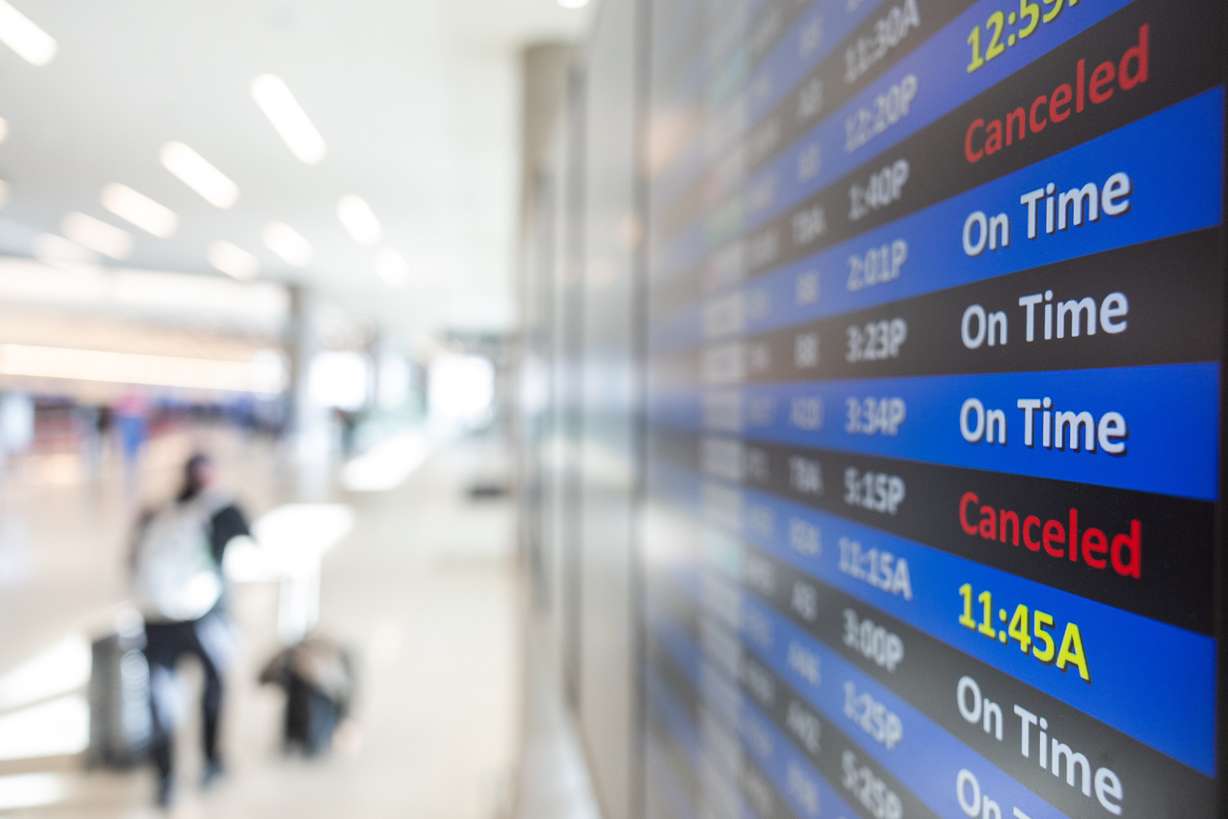
The bill would also block lawmakers from using campaign funds to cover travel expenses, meaning only personal funds could be used. However, that travel would be restricted because the proposal would prohibit any recess periods from lasting more than 23 hours.
It would also prohibit lawmakers from scheduling any votes that are unrelated to government funding, with an exception for expiring authorization bills or nominations that occur 30 days after the original shutdown date.
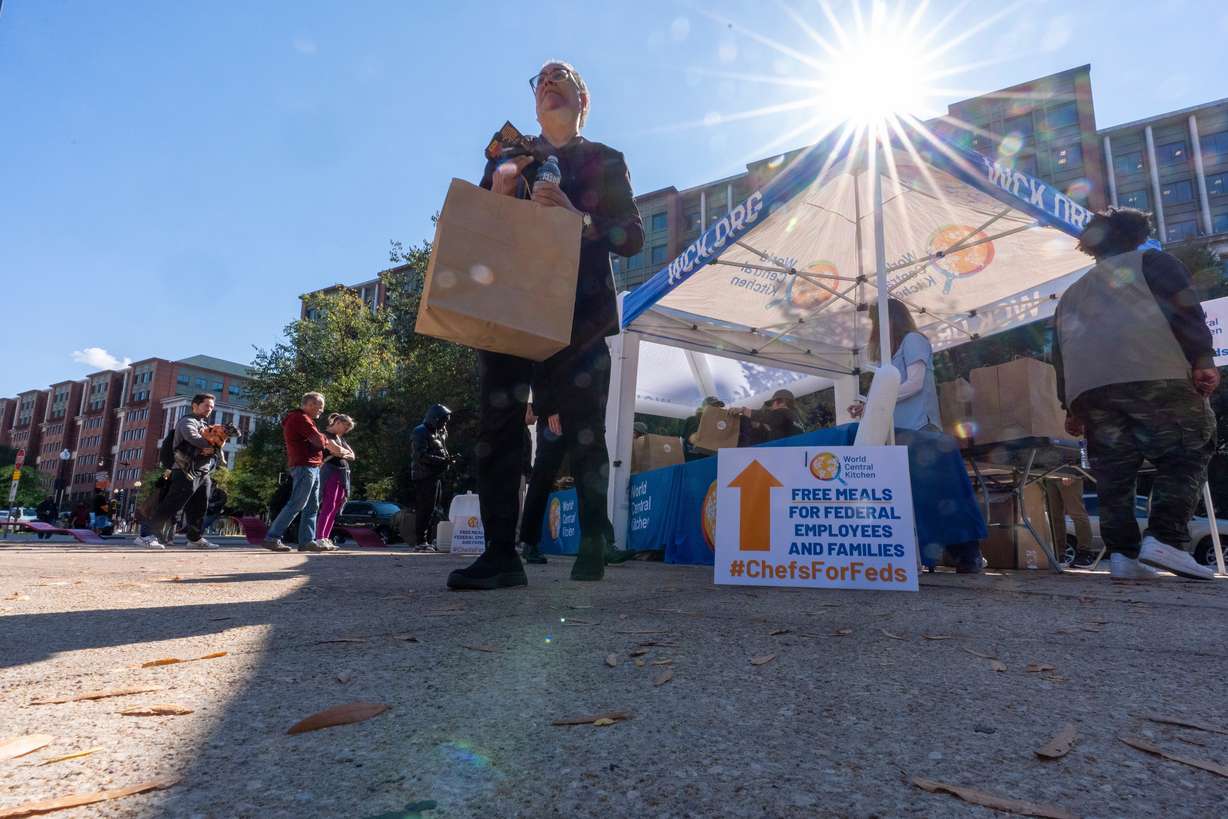
The bill is the latest effort among lawmakers to avoid having government shutdowns be used as leverage, especially after the record-long full shutdown last year that saw the entire federal government shuttered for 43 days.
The Senate already approved a bill earlier this month to withhold senators' paychecks if the government undergoes a shutdown, unanimously approving a chamber-specific policy to disincentivize funding lapses.