'%3e%3cpath%20d='M34.1406%205.85938C30.3906%202.10547%2025.3047%200%2020%200C14.6953%200%209.60938%202.10547%205.85938%205.85938C2.10938%209.61328%200%2014.6953%200%2020C0%2025.3047%202.10547%2030.3906%205.85938%2034.1406C9.61328%2037.8906%2014.6953%2040%2020%2040C25.3047%2040%2030.3906%2037.8945%2034.1406%2034.1406C37.8906%2030.3906%2040%2025.3047%2040%2020C40%2014.6953%2037.8945%209.60938%2034.1406%205.85938ZM37.0117%2023.543H31.1602V13.5391H27.6328V19.9414C28.1211%2020.6914%2028.3711%2021.582%2028.3711%2022.5625V22.625C28.3711%2023.668%2028.1172%2024.6055%2027.6328%2025.4297V26.6094H36.082C33.4883%2032.9375%2027.2891%2037.3789%2020.0039%2037.3789C10.3711%2037.3789%202.62109%2029.6289%202.62109%2020C2.62109%2010.3711%2010.3711%202.62109%2020%202.62109C29.6289%202.62109%2037.3789%2010.3711%2037.3789%2020C37.3789%2021.1484%2037.2617%2022.2656%2037.0508%2023.3477C37.0391%2023.4141%2037.0234%2023.4766%2037.0117%2023.543Z'%20fill='white'/%3e%3cpath%20d='M22.3086%2018.5352C20.4336%2018.125%2019.9531%2017.8398%2019.9766%2017.1836V17.1406C19.9766%2016.6992%2020.3477%2016.2148%2021.4023%2016.2148C22.582%2016.2148%2023.8867%2016.6797%2025.0781%2017.4766L26.8516%2015.0195C25.4453%2013.8906%2023.707%2013.3398%2021.5547%2013.3398C18.5195%2013.3398%2016.4375%2015%2016.4063%2017.4766V17.5352C16.3633%2020.2617%2018.5859%2020.9805%2021.293%2021.6016C23.0391%2021.9766%2023.5703%2022.3164%2023.5703%2022.9609L23.5469%2022.9766C23.5469%2023.3906%2023.2578%2023.7031%2022.7852%2023.8359C22.5742%2023.9062%2022.1289%2023.9727%2021.5156%2023.9727C20.7617%2023.9727%2019.7539%2023.8633%2018.6328%2023.4844C18.0898%2023.2891%2017.4727%2023.0039%2016.8047%2022.6133L20.1406%2026.625C20.2813%2026.6602%2021.0977%2026.8516%2021.7734%2026.8516C25.0039%2026.8516%2027.0859%2025.2461%2027.1094%2022.6328V22.5703C27.1602%2020.1133%2025.2148%2019.1719%2022.3086%2018.5352Z'%20fill='white'/%3e%3cpath%20d='M5.24219%2013.5664V26.6133H8.75391V23.7578L10.2969%2021.9531L14.2031%2026.6133H18.3867L12.3555%2019.5195L17.4023%2013.5664H13.4531L8.75391%2019.0586V13.5664H5.24219Z'%20fill='white'/%3e%3c/g%3e%3cdefs%3e%3cclipPath%20id='clip0_97_2430'%3e%3crect%20width='40'%20height='40'%20fill='white'/%3e%3c/clipPath%3e%3c/defs%3e%3c/svg%3e)




- Dead fish sightings in the Provo River have raised concerns about water contamination.
- Wildlife experts attribute the issue to invasive carp spawning upstream.
- Workers removed 5,760 pounds of carp to prevent ecological harm and odor.
PROVO — Since last week, state wildlife workers have been fielding concerned calls about dead fish along the Provo River.
The experiences weren't unlike that of Lucimara Aagard, who contacted KSL when she spotted several on Tuesday in the river next to her family's favorite walking route along the Provo River Trail west of Geneva Road.
"I started to, like, see two over there, one more over here, there's one more over there," Aagard explained during an interview Thursday as she toured the area again. "The smell was worse over there."
She immediately began to worry about the reasons why the fish had died.
"I was thinking, like, water contamination, but maybe not," Aagard explained.
Wildlife experts said, however, she and others were likely witnessing a symptom of a far larger issue involving living carp in the Provo River.
Utah Division of Wildlife Resources regional aquatics manager Chris Crockett said workers in recent days have been uncovering entire congregations of carp further upstream.
"This is carp spawning season," Crockett explained. "Typically, they're looking for a little cooler water, a little different area than the lake itself, so you'll start to have them migrate upstream."
Eventually, he said, the carp encounter barriers that keep them from advancing, including a spot in the river near 800 North and 800 West.
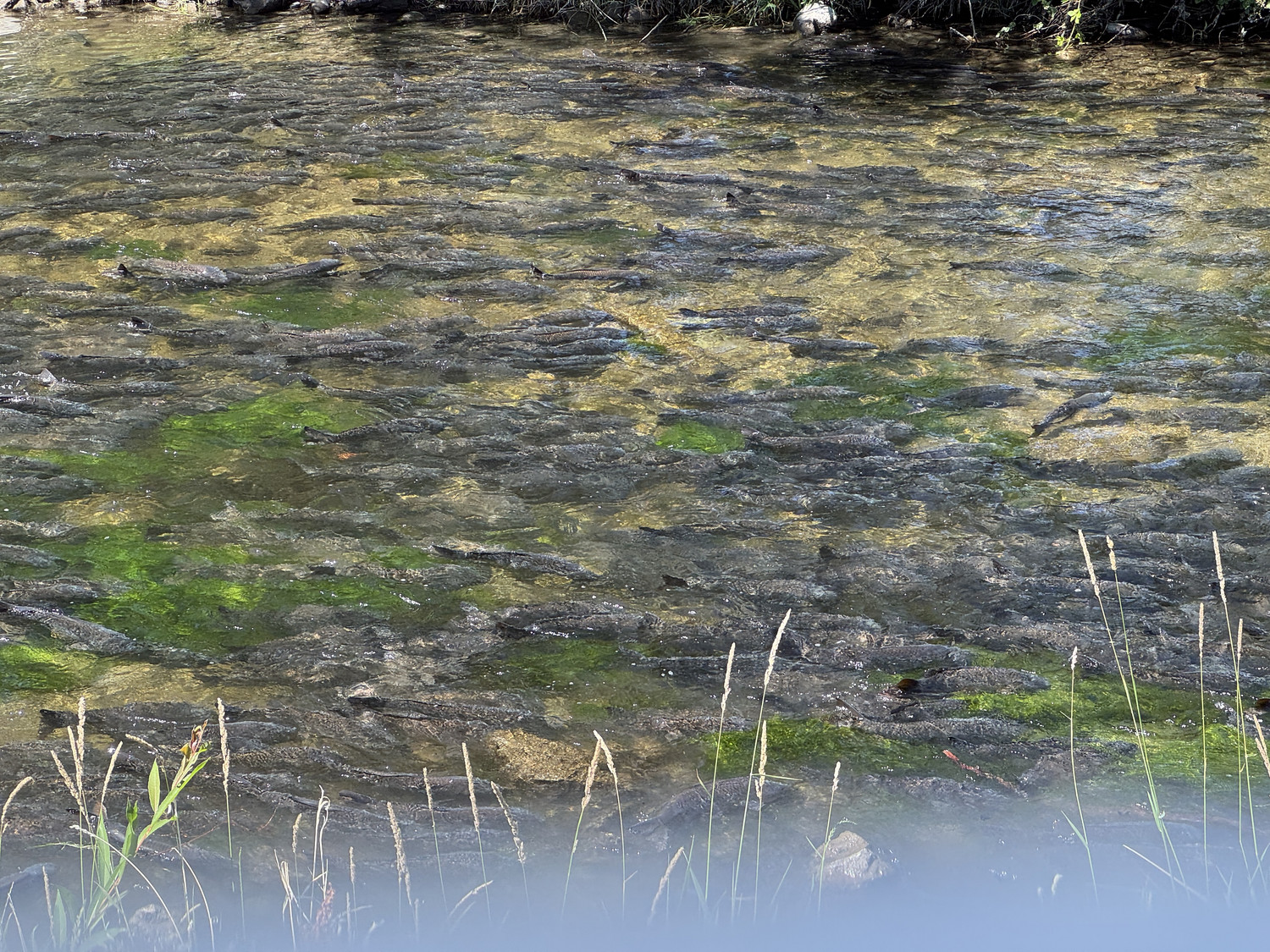
"They don't really have the wherewithal to turn around and go back to the lake until it's too late, so often they'll stay there until the water starts to dry up or it gets too hot," Crockett said. "That's why we're working with Provo city, one of our great partners, to try to get these out before they cause a health hazard or they stink up the park, places like that."
Crockett said workers in recent days have removed thousands of pounds of invasive carp from the river.
On Thursday alone, he said workers removed 5,760 pounds.
"Really, we don't have a good use for them, so these do go to the landfill, which is unfortunate," Crockett said.
Russ Franklin, assistant director of the June Sucker Recovery Implementation Program with the Central Utah Water Conservancy District, said the process was positive for water quality and for the June sucker, which has been on the endangered species list.
"The best way for people to understand (carp) is they're pretty much like a feral pig," Franklin said. "They root around through the vegetation, they destroy vegetation and they change the ecosystem so that fish and other species can't survive."
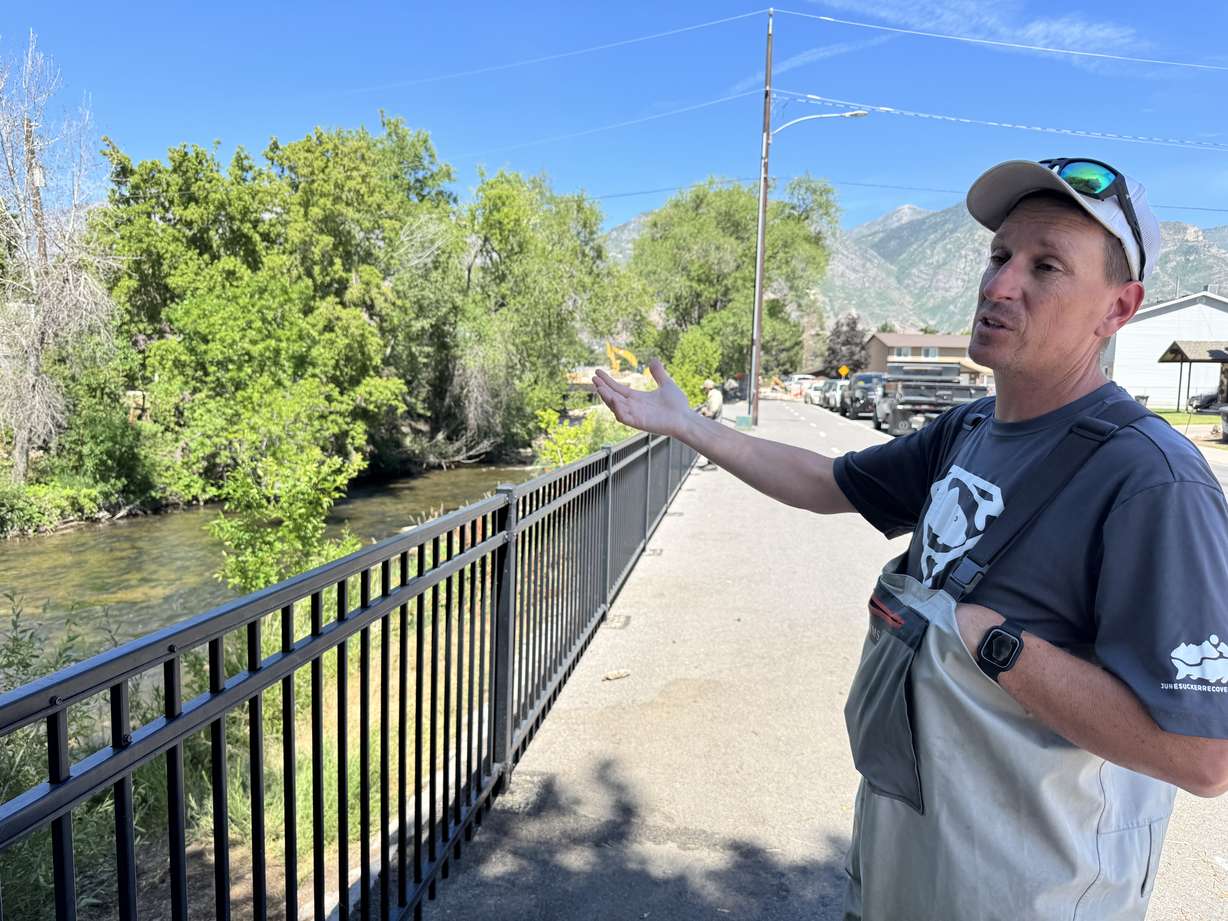
Franklin said since 2008, crews had removed roughly 30 million pounds of carp from Utah Lake.
He said this year was the most significant for the volume of carp upstream that he's seen since 2016.
"Normally, the carp aren't coming up this fast, this early — just bad timing because of how it was just a crazy winter and summer," Franklin said.
Crockett said through removal, workers ultimately hoped to avoid mass die-offs in the river and other significant ecological issues.
"We probably won't get all the carp out of the Provo River, but we are working to make it better than what it was," Franklin said.