- SITLA agreed to sell 50,600 acres in the Book Cliffs to the Utah Division of Wildlife Resources for $29.8 million.
- The land will remain public, forming a wildlife management area spanning over 57,000 acres.
- The deal ensures public access and creates new revenue for education.
SALT LAKE CITY — A massive chunk of public trust land in eastern Utah is slated to remain public under a major transaction.
School and Institutional Trust Lands Administration, or SITLA, agreed on Thursday to sell approximately 50,600 acres of land it manages in the Book Cliffs range in northern Grand County to the Utah Division of Wildlife Resources.
"I think this is a huge win for the beneficiaries," said Michael Mower, a senior advisor for Utah Gov. Spencer Cox and a member of the board, after voting to approve it.
Under the $29.8 million deal, including closing costs, the Utah Division of Wildlife Resources will oversee management of land, while SITLA will retain rights to potential mineral resources in some parts of the area, should a market for them arise.
The division intends to pair it with the 6,929-acre Little Creek Wildlife Management Area in the area to form a massive management area spanning over 57,000 acres, said Michael Canning, the division's deputy director.
The land transfer is expected to be completed next week when the deal is finalized, since the Utah Legislature helped set up the cash purchase, SITLA officials said.
Utah House Majority Leader Casey Snider, R-Paradise, called the sale a win-win for the state, generating new revenue for public education and allowing SITLA to maintain options for potential future money, while protecting public access to a cherished hunting and fishing location.
"I think it's a historic moment," he told KSL. "You've got a significant block of land that is a value to the hunting and fishing recreational community. At the same time, you have a considerable asset that SITLA owns on behalf of the school children in this state … and those kids are legally and lawfully compensated."
Why wildlife officials wanted the land
SITLA manages more than 3 million acres of land in the state, with funds that go toward public education. However, the 50,600-acre block was difficult to manage because of its rugged, mountainous terrain and remoteness, trust officials explained.
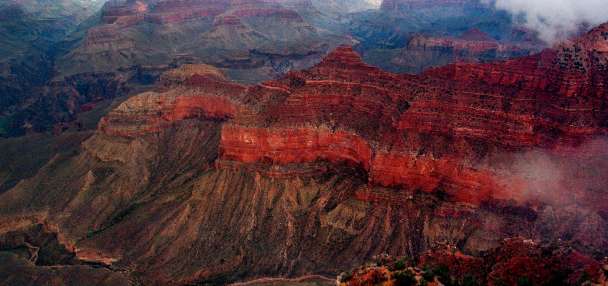
It's a roadless area with many parts of it accessible by horseback only. Utah wildlife officials were interested in the land because they consider it to be a key summer range for wildlife in the region, given the area's remoteness, vegetation and water. It's part of why the Book Cliffs are a popular outdoor recreation area.
The division approached SITLA multiple times over the past few decades, inquiring about its availability, Canning said. It and sports groups had previously acquired land in the area over the past few decades to ensure its protection. The 50,000-acre block all came down to what the fair price could be, since proceeds do help public education, and securing the funds to make it happen.
State lawmakers chipped in over the past few sessions, seeking to ensure the roadless area remains untouched by privatization. They approved a $50 million transfer from a restricted account to help the Utah Division of Wildlife Resources acquire trust lands in 2025, specifically referencing the Book Cliffs area in related documents.
Thursday's agreement, Canning said, won't change how the region is primarily used now. Utah wildlife officials don't plan to build roads or develop the block they just acquired, keeping it a key wildlife corridor.
"We now secure it in perpetuity. Otherwise, it could have been possibly sold to ownership, where access could have been blocked and the public could no longer access it," he said. "We'll keep it a natural area and keep it to the public."
It's unclear if mineral extraction will change that in the future. Neither the division nor SITLA was sure of its mineral potential. The division will work to minimize wildlife impacts should development happen, Canning added.
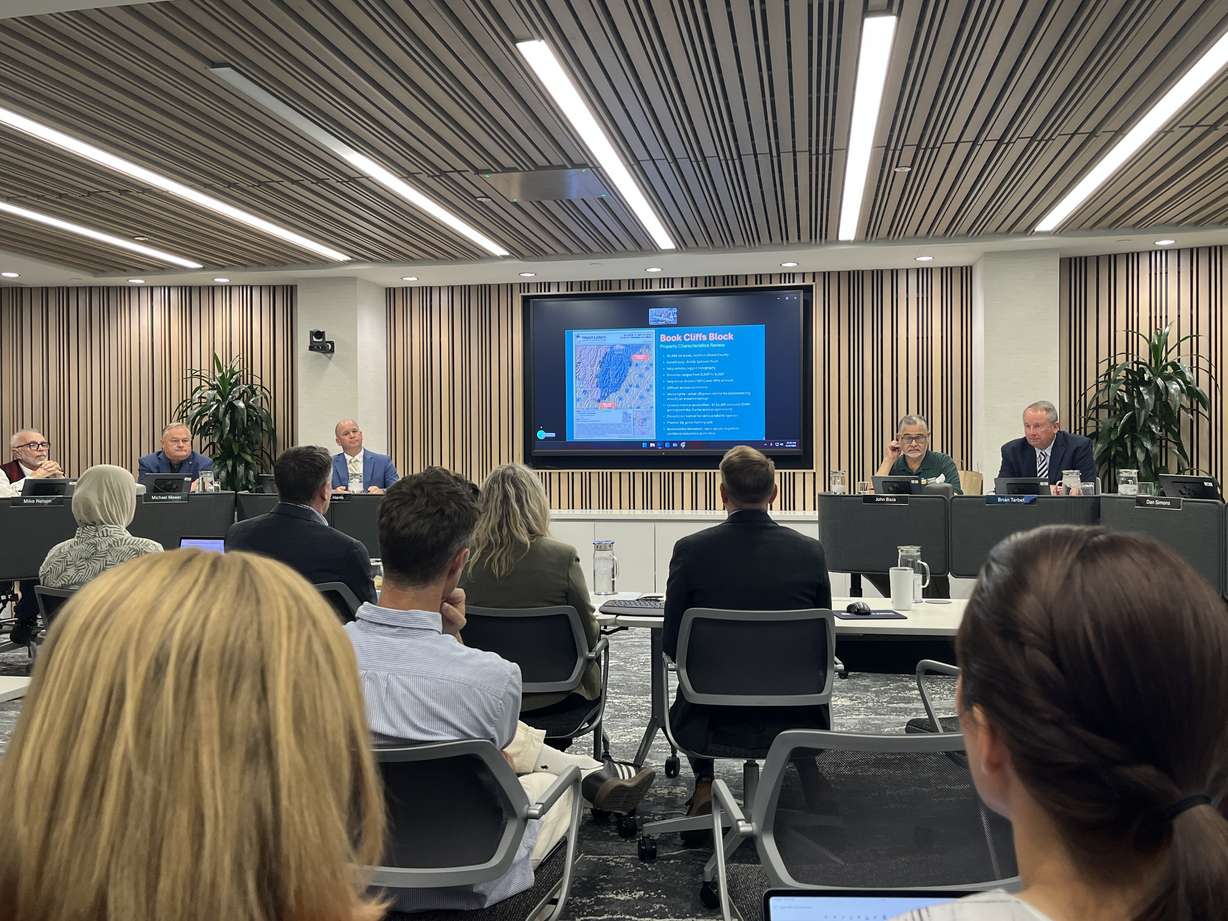
SITLA saw the deal as the best opportunity for land that was only generating about $125,000 in revenue annually, said Bryan Harris, chairman of the trust board, after the vote.
Some had expressed concerns in previous meetings that the deal wouldn't be entirely beneficial, since the $50 million given to the division came from another public education account. Harris said SITLA doesn't control where funds come from, and this deal still allows new funds to flow into the Utah School and Institutional Trust Funds Office for investments to raise public education income.
Thursday's vote came after SITLA's board of directors held a closed meeting to hash out the final details of the sale, and after Liz Mumford, director of the Land Trusts Protection and Advocacy Office, endorsed the deal, saying it was in the "best interest" of the land trust.
"Personally, I am happy to see that it's staying within state ownership, as long as we're able to — at the same time — sell it for the correct value," Harris said. "If we couldn't sell it for fair-market value, then I would not have been happy with the outcome."
More deals to come?
Since it still has money left from the 2025 allocation, Canning believes similar deals are on the horizon. Harris said each SITLA property "will have to be scrutinized" if and when the division seeks to purchase the land.
Snider said he hopes the agreement sets a precedent for how public land policy is handled because he sees it as creating wins for both conservation and mineral markets. It also helps complete what he called a "puzzle" in the attempt to preserve access.
"The real purpose and impetus in this is to ensure that it is available for public access for the long term," he said. "This is a very big deal."