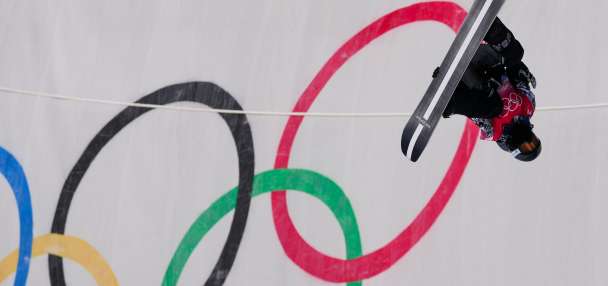
SALT LAKE CITY — Helmets have become standard on Utah's ski slopes, but health professionals say children should also be wearing them during other winter activities, including sledding.
"We know that head injuries are so hard to treat and fix," said Michelle Jamison, community health program manager for Intermountain Children's Health. "Our biggest tout at Primary Children's is prevention."
Jamison said the hospital sees many traumatic brain injuries, and she urged parents to have children wear helmets while skiing, skating and sledding. She noted that helmets are easy to rent if families don't own one.
Experts say ski helmets offer solid protection, but bike helmets work, too. The key, Jamison said, is proper fit.
She teaches what she calls the "2‑2‑2 rule": two fingers above the eyebrows, a "V" shape under each ear, and enough room to slide two fingers under the chinstrap. The helmet should sit level on the forehead, not tipped up, and the straps should be buckled snugly.
"It can be the difference in walking away from an accident versus some lifelong, debilitating injuries," Jamison said.
She also warned parents to watch for hidden hazards on sledding hills.
"We don't see a lot of the hidden dangers that is underneath the snow," she said. "Maybe that is the layer of ice that your kid is going to down that hill ripping at 20 mph, so fast, and they can't stop themselves, maybe there's rocks or things that can fly up and hit them."
Jamison said the hospital's message is simple: "We know better. We do better. We wear helmets."