- Five Utah fishing records were broken in 2025.
- Two catch-and-release, two catch-and-keep and one spearfishing records fell.
- Record tracking encourages angling and recognizes achievements, Utah wildlife officials say.
SALT LAKE CITY — 2025 is over, but at least five anglers walked away with a story to tell.
Five of the state's fishing records fell last year, according to the Utah Division of Wildlife Resources, which has maintained records for over a century.
They include a pair of catch-and-release records. Jesse Pashia captured a 14-inch white crappie at Gunnison Bend Reservoir west of Delta on Feb. 22, 2025, breaking a record of a 13⅜-inch white crappie he had caught at the same reservoir the month before. Adam Cunningham set a new record with a 29½-inch long wiper while fishing at Huntington North Reservoir in Emery County on May 4, 2025, as well.
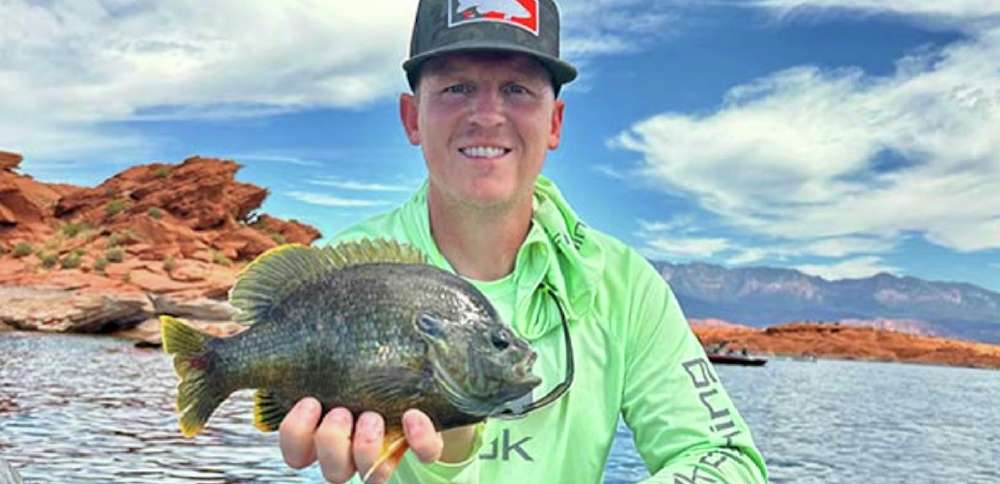
William Stafford took home a 29½-inch long wiper, weighing 18 pounds and 1½ ounces at Otter Creek Reservoir (Piute County) on April 20, 2025, which set a new catch-and-keep record. Chris Anderson also set a catch-and-keep record, taking home a 12⅝-long, 1-pound, 1-ounce hybrid sunfish from Sand Hollow Reservoir in Washington County.
Meanwhile, Garion Rowett broke a spearfishing record at the aptly named Fish Lake, snagging a 10½-inch long arctic grayling that weighed 4.16 ounces from the Sevier County lake.
Utah now has 107 different fishing records across different categories. Seven records were set in 2024 and six the year before.
Anglers hoping to break a record in 2026 can submit their catch to the state division. All catch-and-release records must include a photo of the fish next to a measuring device, and must include a witness certified in writing. The same goes with catch-and-keep records, but with additional details, including girth, weight on a certified scale and verification from two independent witnesses not with the angler's fishing party.
It also requires verification by state wildlife officials, which helps ensure " fairness and equity" for previous record-holders, said Trina Hedrick, sportfish coordinator for the Utah Division of Wildlife Resources.
"The primary reason that the (division) tracks record fish is to provide anglers with recognition of their achievements," she said. "The public records are also a fun way to encourage anglers to get out on the water and hopefully encounter some of the large fish Utah has to offer.
"Fishing is a great way to explore Utah's beautiful outdoors, and the excitement of setting a record can make it even more fun."