Estimated read time: 4-5 minutes
- Quinn Hennessy, inspired by a school event, volunteers to aid refugees in Utah.
- She mentors refugee children, building strong bonds despite language barriers and cultural differences.
- Balancing law school, she continues volunteering, motivated by the joy and fulfillment it brings.
SALT LAKE CITY — A decade ago, when she was in middle school, Quinn Hennessy went on a field trip to the Salt Lake City Library in observance of World Refugee Day. When they arrived, the schoolkids lined up and were each given 10 cards they were told represented all their worldly possessions.
Next, they moved through a procession of stations; at each one they were required to give up one or more of their cards.
It might be food at one stop, family photos at another, your I.D. card at the next one, then your wallet, and so forth until you came to the last station, where you might have only two possessions left, or one, or none.
That, they were told, is the life of a refugee.
You just keep losing things.
Young 14-year-old Quinn came home that day with a heavy heart. She told her dad, Bob, "One day when I'm older, I know what I'm going to do; I'm going to volunteer to help refugees."
Well, she's now 25 and guess what she's doing?
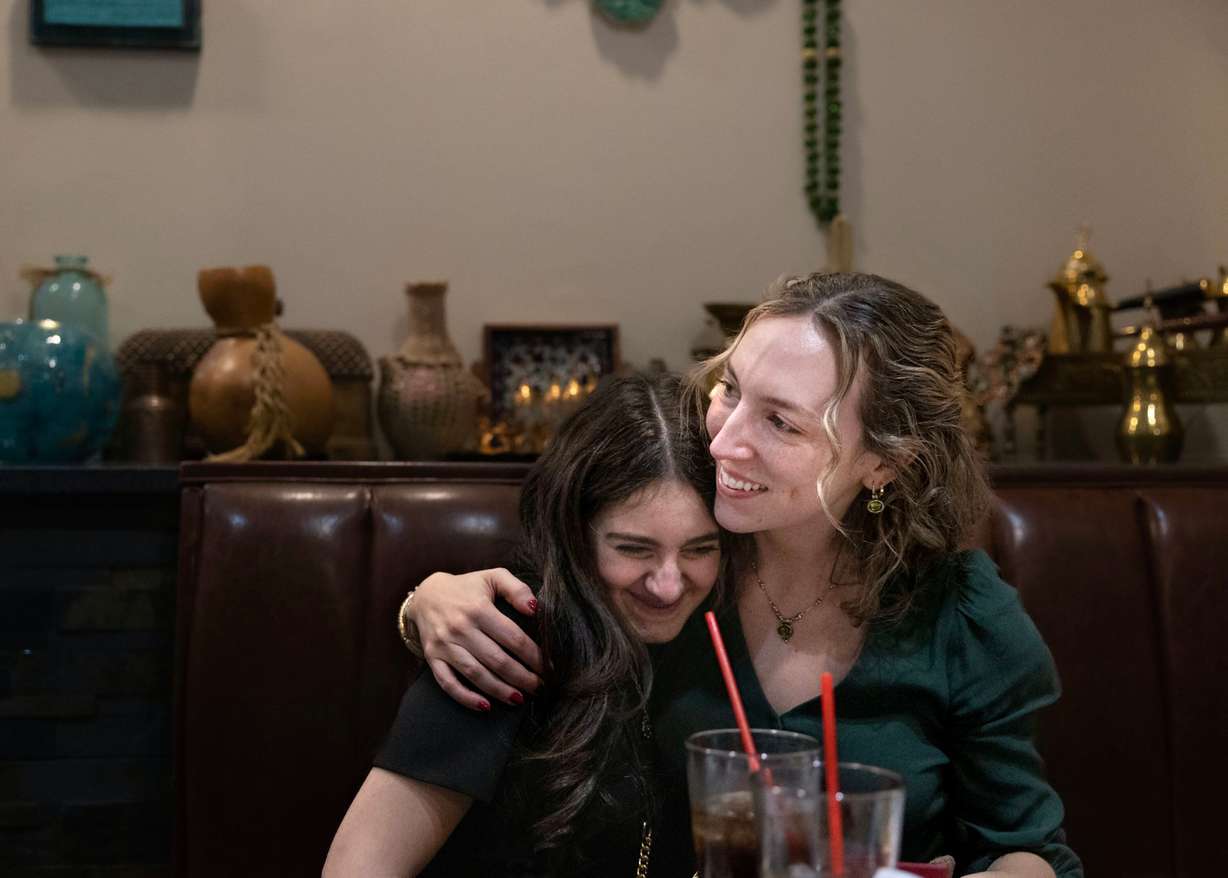
Friday, Dec. 5, was International Volunteer Day, a time to recognize the importance of volunteering and the volunteers among us. People like Quinn Hennessy.
Quinn didn't volunteer to be recognized, it should be noted. She was minding her own business late last summer when she caught the attention of Deseret News photographer Laura Seitz.
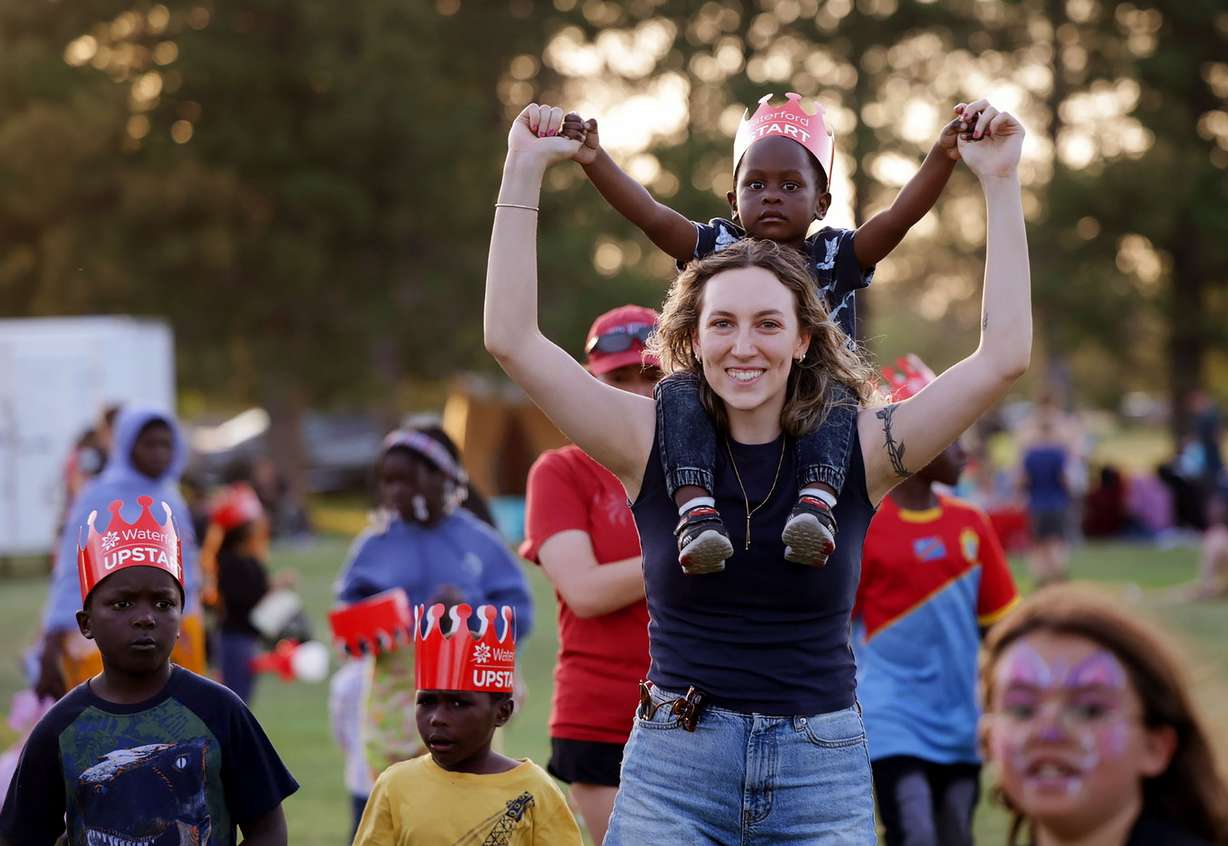
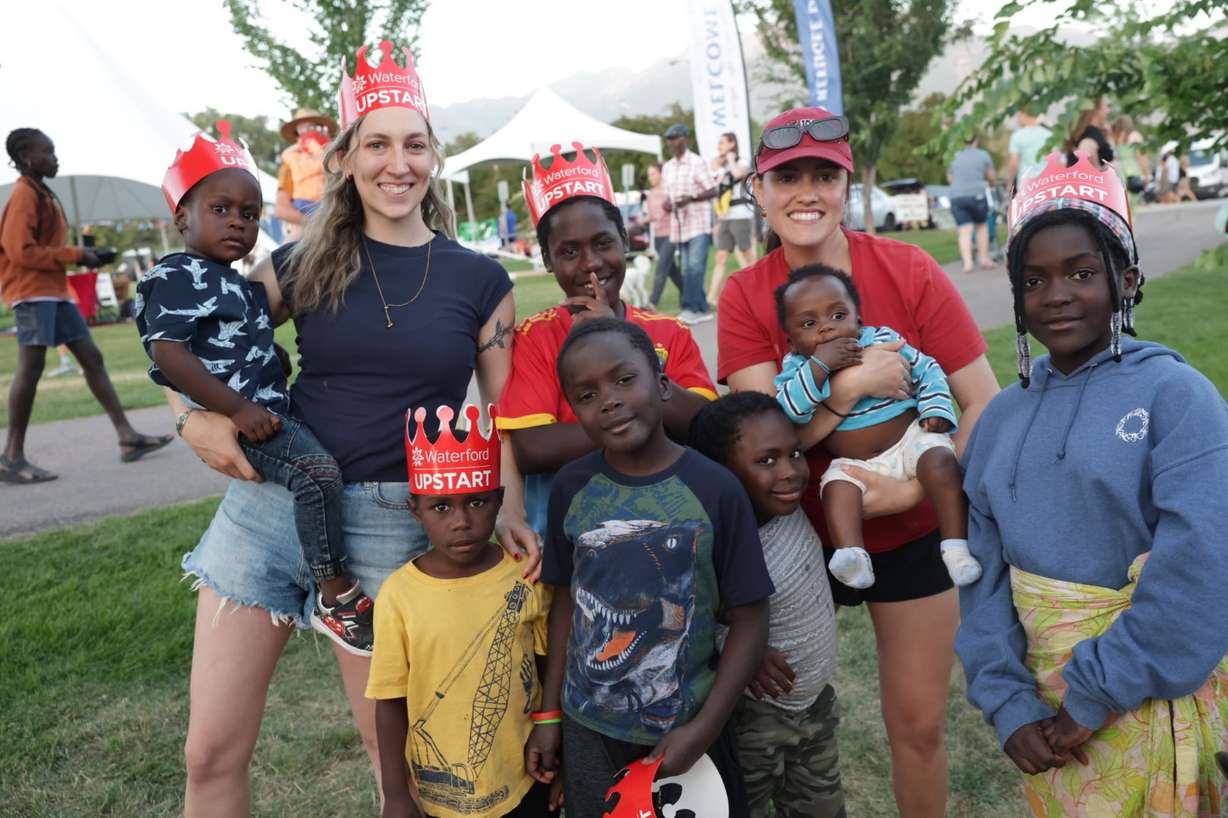
Laura was taking photos at the annual Utah Refugee Day celebration at Cottonwood Park when her camera kept being drawn to Quinn and a throng of refugee kids shadowing her every move.
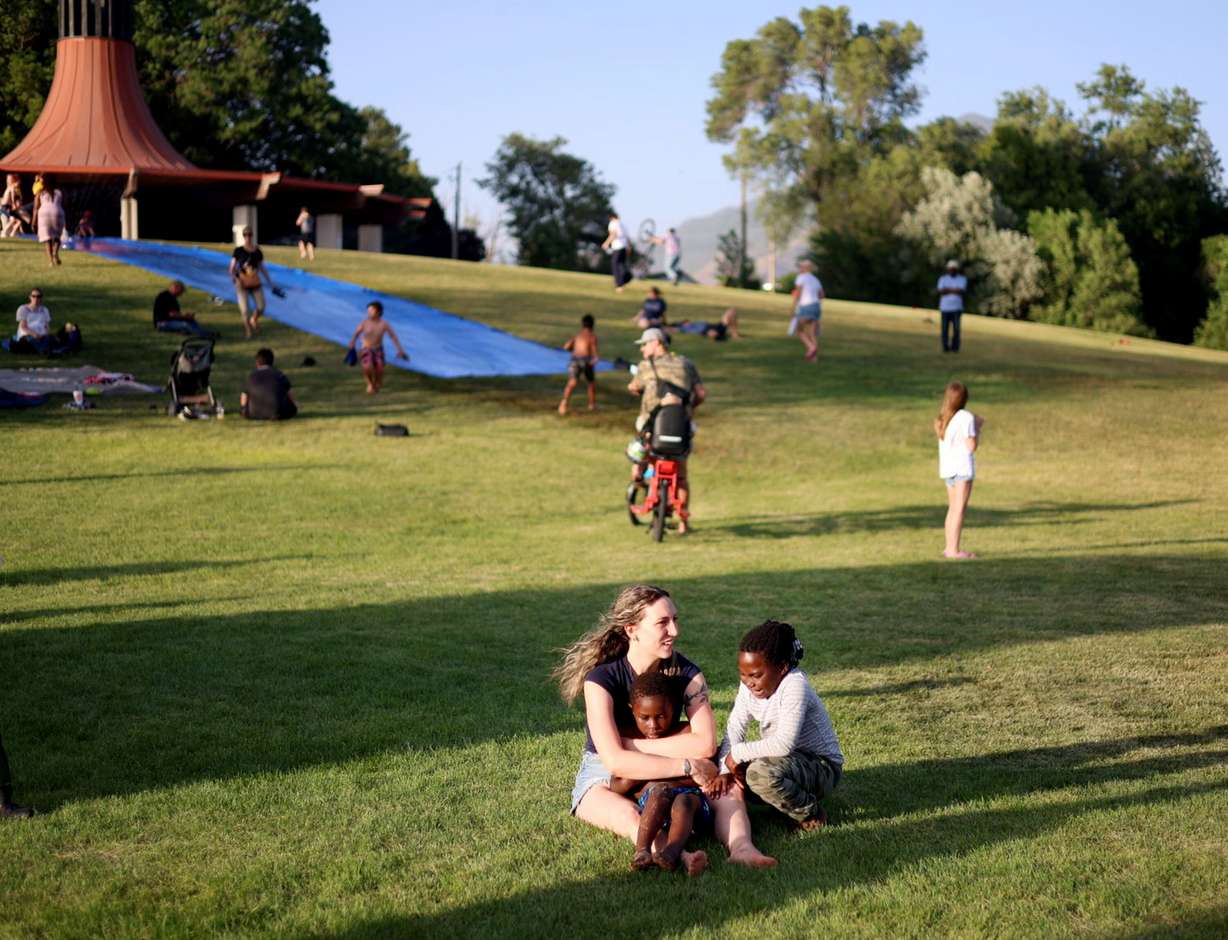
"There was something about her and the way she was with the kids; they were so affectionate with her; they just loved her," said Laura.
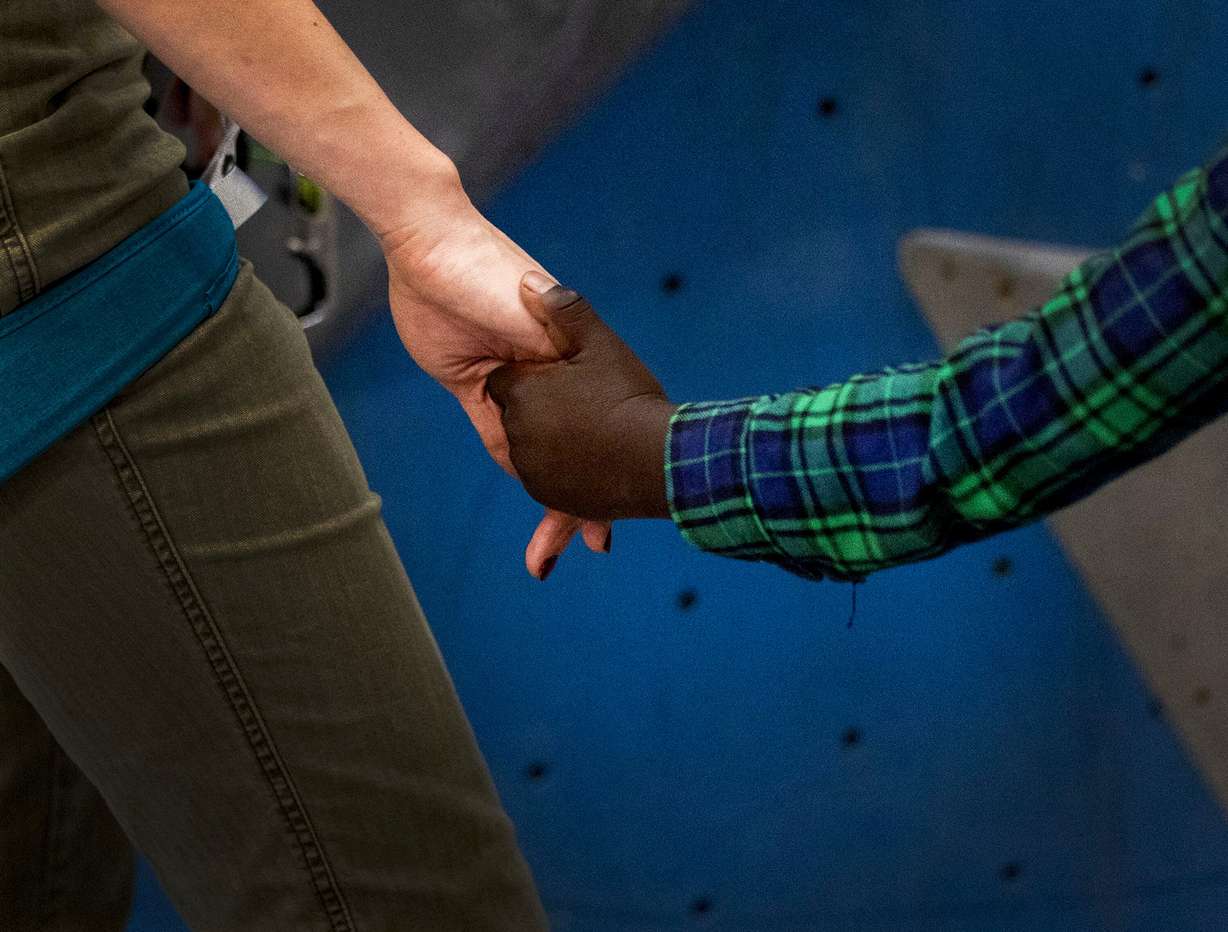
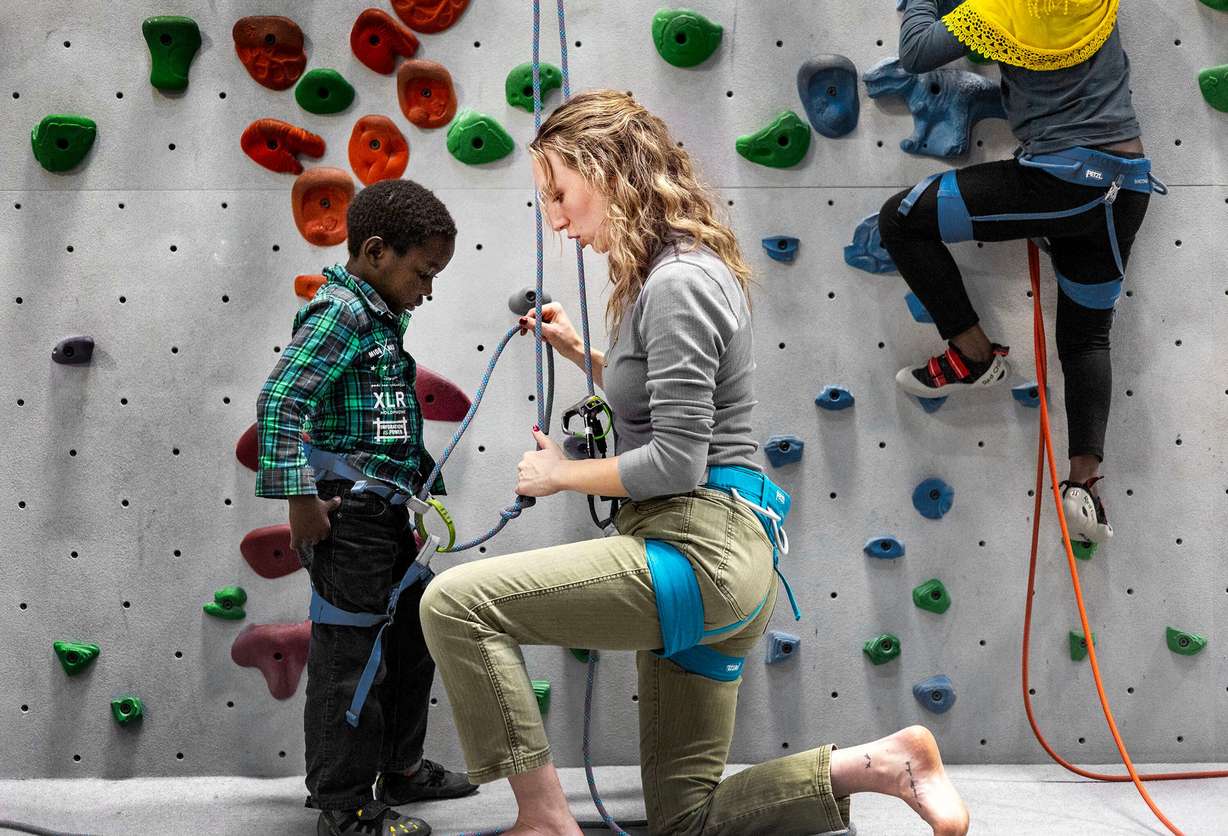
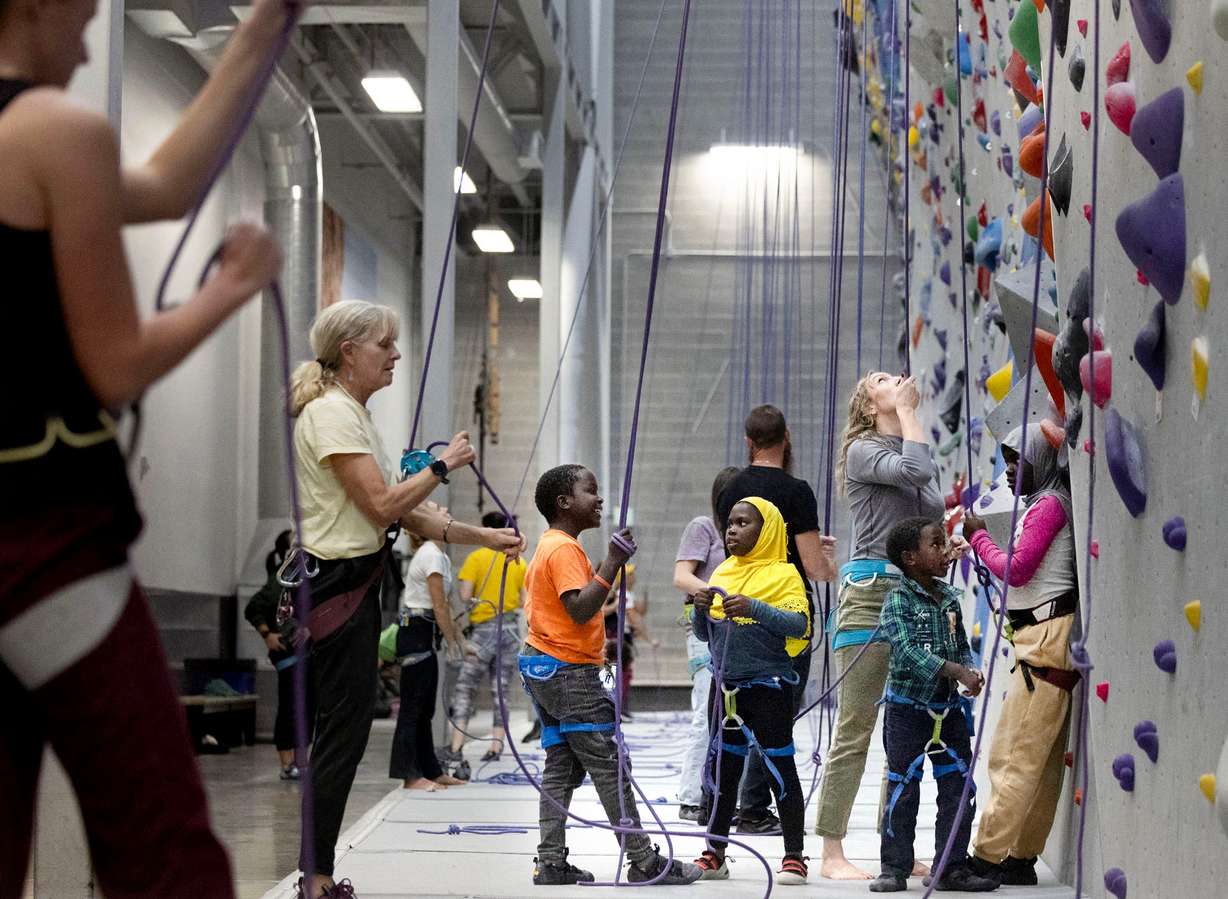
With their permission, Laura took a series of photos of Quinn and the kids that day, followed by more photos a few weeks later when Quinn took the kids to Momentum Climbing Gym (the gym donated free passes for the refugees) and on another occasion to a local restaurant to celebrate Quinn's 25th birthday.
As you can see from Laura's photographs, Quinn has been busy helping refugees get back some of the things they've lost.
None of this happens if Quinn didn't follow through on the vow she made to herself in middle school.
Two and a half years ago, after she graduated from John Jay College in Manhattan with a major in criminology, Quinn returned to Utah for a job at the Attorney General's Office. With a steady day job and no more finals to study for, she now had more discretionary time on her hands.
She opened her laptop and typed "volunteer" into the search engine.
Of the many websites that popped up, she zeroed in on the one for Catholic Community Services (ccsutah.org ), specifically on the section dealing with refugees.
After the requisite background check and fingerprints, she was assigned as a mentor to 13-year-old Selena, a girl who had just arrived in Utah from Syria by way of Jordan.
They didn't speak a word of each other's language. They were nine years apart in age. Their first interaction was communicating with a translation app at McDonald's.
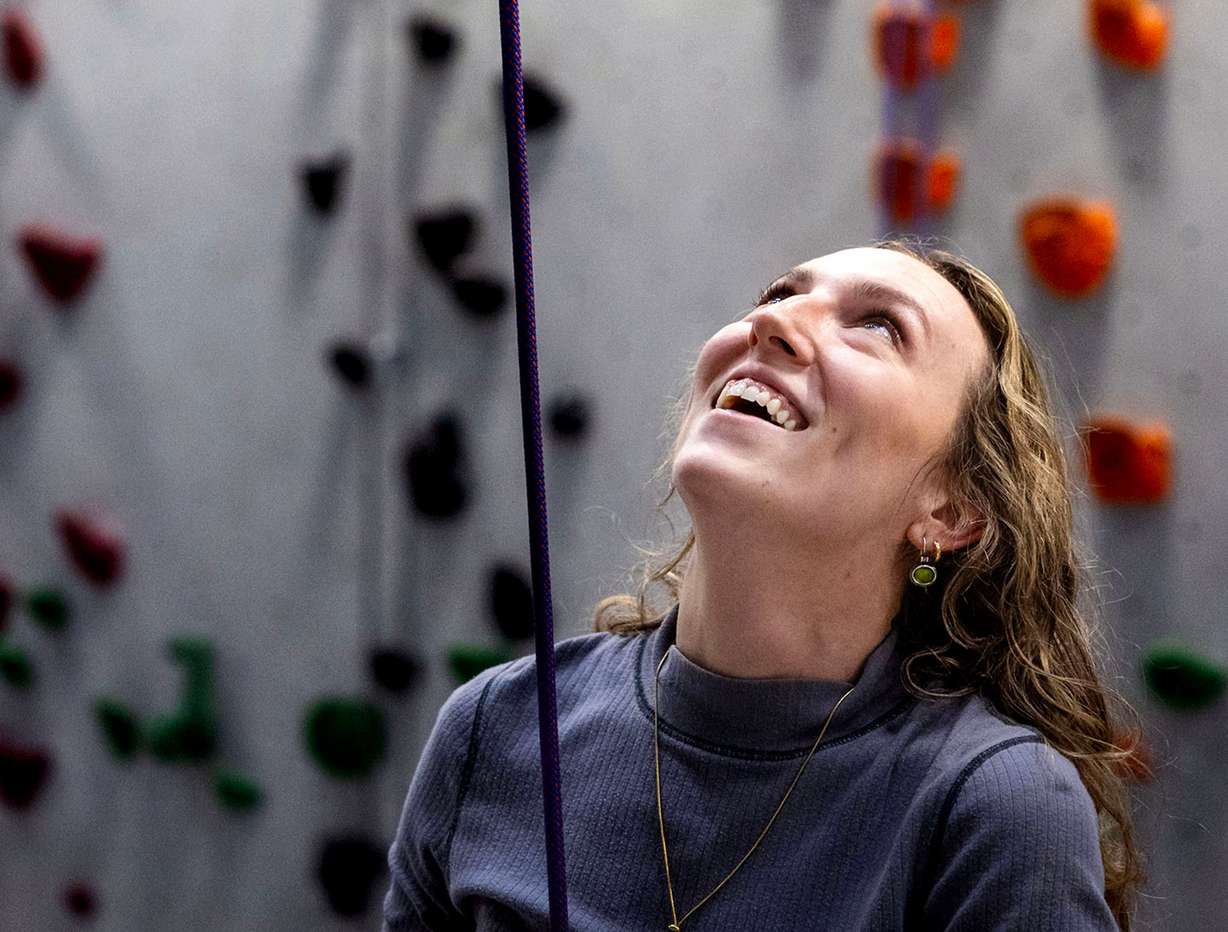
Then the barriers started tumbling down. Quinn became the big sister Selena never had. She also spent time with Selena's two brothers and her mom and dad, easing the transition for a family that escaped civil war in their native Syria and lost almost everything in the 12 years it took to get to Utah.
When Quinn's term as Selena's mentor expired after a year, she didn't stop seeing Selena, she just added another mentee — 12-year-old Hamida from Uganda.
Hamida comes with seven siblings, all close in age, who tend to run in a pack. When Quinn comes to spend time with Hamida, all eight of them swarm her car.
Lately, Quinn has had to cut back a bit on the time she spends with her refugee families. For good reason. In the fall, she started her first year of law school at the University of Utah, a not inconsequential time commitment.
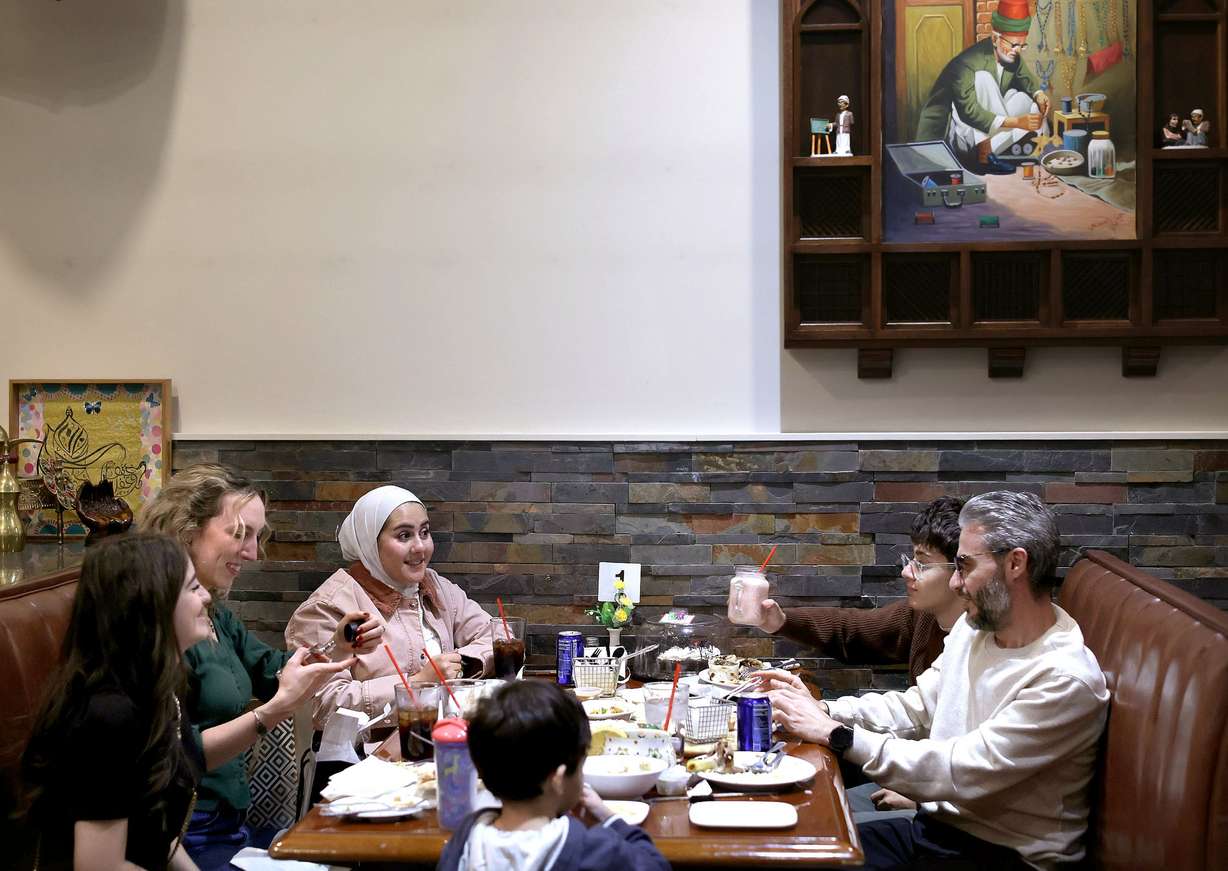
"I'm only lessening it (volunteering) for the first semester," she says, "because law school is hard and I have to figure it out. So now I'm doing it every other weekend, not every weekend."
Why does she volunteer?
"Because it makes you feel wonderful," she says. "People can be like, 'oh, it's so altruistic to help these children,' and I'm like, yes, volunteering is helping other people, but you can also do it for very selfish reasons; you can do it because of how good it makes you feel.
"These families, these kids, they all just love me. I have great friends and a great family who are very supportive and love me. But when I show up, and I haven't even parked the car, and these kids rush out and give me hugs and say 'I love you so much,' 'thank you for coming,' 'I don't know what I would do without you,' it's such a great feeling. And I'm like, 'Girl, I got you. And I'll be back next week.'"

Most recent Uplifting stories
Related topics
 Lee Benson