Estimated read time: 3-4 minutes
- Gov. Spencer Cox appointed Rep. Tyler Clancy to lead Utah's homeless response.
- Clancy will replace Wayne Niederhauser as state homeless coordinator in March 2026.
- Clancy will oversee efforts to construct a new 1,300-bed homeless services campus in Salt Lake City.
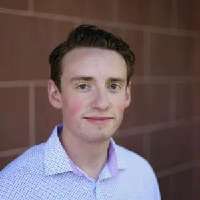
SALT LAKE CITY — Gov. Spencer Cox has picked State Representative Tyler Clancy to lead the state's homeless response, replacing outgoing State Homeless Coordinator Wayne Niederhauser.
Clancy, a Republican from Provo, has been a rising star in the Legislature since he was first elected in 2022 at the age of 25. He has been at the center of recent efforts to evolve the state's approach to homelessness and public safety, and will lead the state's efforts to build a new 1,300-bed homeless services campus on Salt Lake City's west side as the second homeless coordinator since the position was created in 2021.
"Rep. Clancy knows the work on the ground and at the policy table, and that mix will sharpen coordination and results," Cox said in a press release announcing Clancy's appointment Thursday. "Building on the foundation Wayne Niederhauser laid, we will strengthen Utah's response and help more Utahns find stability."
Niederhauser will resign from the role on Dec. 5. Clancy will continue to serve in his legislative seat through the 2026 general legislative session and his appointment as homeless services coordinator is effective March 9, 2026. Assistant State Homeless Coordinator Nick Coleman will lead the Office of Homeless Services in the interim.
"Thank you, Governor Cox (@GovCox) for trusting me enough to take on this incredibly complex & human issue," Clancy said on social media. "When I start in this role (in March 2026), I promise every citizen of Utah that I will give it everything I have! Let's do this."
Clancy also serves as a Provo police detective and works on the special victims unit and the Internet Crimes Against Children task force. He has been an advocate for getting people out of homeless encampments and into shelters with a zero-tolerance policy for drug possession.
The approach, codified in several bills Clancy helped sponsor earlier this year, mirrors the strategy preferred by President Donald Trump. After years of what has been called "housing-first" programs, Trump signed an executive order in July to prioritize federal funds to states and cities that ban camping and require sobriety and treatment programs.
Utah was already moving in that direction, and Clancy said the state would likely benefit from the order.
"This is just going to build on the momentum," he told KSL.com at the time. "It doesn't necessarily change what we're doing, but I do think it moves Utah up the ladder for prioritization for federal funding."
Cox said the approach of getting people off the streets and into treatment and recovery programs is more humane than allowing people to live in homeless encampments.
"Real compassion means helping people get the treatment and care they need, not just offering housing without support," he posted on X in July. "Utah has been pushing for this shift, and it's good to see it taking shape across the country."
Clancy will take over as homelessness czar with a Legislature and governor focused on improving the situation in the state, but with a long way to go. A report published in August by the Utah Office of Homeless Services found over 4,500 Utahns were experiencing homelessness during an annual survey in 2025, an 18% increase from the previous report.
The report found a 36% increase in chronic homelessness, and significant increases in the number of children, older adults and veterans who were unsheltered. Nearly two-thirds of those experiencing homelessness reported having mental illness or substance abuse disorders.
"I am grateful for the opportunity to serve," Clancy said. "Utah does best when we work together with clear goals and real accountability. My focus is on coordination that helps people move forward with dignity."