'%3e%3cpath%20d='M34.1406%205.85938C30.3906%202.10547%2025.3047%200%2020%200C14.6953%200%209.60938%202.10547%205.85938%205.85938C2.10938%209.61328%200%2014.6953%200%2020C0%2025.3047%202.10547%2030.3906%205.85938%2034.1406C9.61328%2037.8906%2014.6953%2040%2020%2040C25.3047%2040%2030.3906%2037.8945%2034.1406%2034.1406C37.8906%2030.3906%2040%2025.3047%2040%2020C40%2014.6953%2037.8945%209.60938%2034.1406%205.85938ZM37.0117%2023.543H31.1602V13.5391H27.6328V19.9414C28.1211%2020.6914%2028.3711%2021.582%2028.3711%2022.5625V22.625C28.3711%2023.668%2028.1172%2024.6055%2027.6328%2025.4297V26.6094H36.082C33.4883%2032.9375%2027.2891%2037.3789%2020.0039%2037.3789C10.3711%2037.3789%202.62109%2029.6289%202.62109%2020C2.62109%2010.3711%2010.3711%202.62109%2020%202.62109C29.6289%202.62109%2037.3789%2010.3711%2037.3789%2020C37.3789%2021.1484%2037.2617%2022.2656%2037.0508%2023.3477C37.0391%2023.4141%2037.0234%2023.4766%2037.0117%2023.543Z'%20fill='white'/%3e%3cpath%20d='M22.3086%2018.5352C20.4336%2018.125%2019.9531%2017.8398%2019.9766%2017.1836V17.1406C19.9766%2016.6992%2020.3477%2016.2148%2021.4023%2016.2148C22.582%2016.2148%2023.8867%2016.6797%2025.0781%2017.4766L26.8516%2015.0195C25.4453%2013.8906%2023.707%2013.3398%2021.5547%2013.3398C18.5195%2013.3398%2016.4375%2015%2016.4063%2017.4766V17.5352C16.3633%2020.2617%2018.5859%2020.9805%2021.293%2021.6016C23.0391%2021.9766%2023.5703%2022.3164%2023.5703%2022.9609L23.5469%2022.9766C23.5469%2023.3906%2023.2578%2023.7031%2022.7852%2023.8359C22.5742%2023.9062%2022.1289%2023.9727%2021.5156%2023.9727C20.7617%2023.9727%2019.7539%2023.8633%2018.6328%2023.4844C18.0898%2023.2891%2017.4727%2023.0039%2016.8047%2022.6133L20.1406%2026.625C20.2813%2026.6602%2021.0977%2026.8516%2021.7734%2026.8516C25.0039%2026.8516%2027.0859%2025.2461%2027.1094%2022.6328V22.5703C27.1602%2020.1133%2025.2148%2019.1719%2022.3086%2018.5352Z'%20fill='white'/%3e%3cpath%20d='M5.24219%2013.5664V26.6133H8.75391V23.7578L10.2969%2021.9531L14.2031%2026.6133H18.3867L12.3555%2019.5195L17.4023%2013.5664H13.4531L8.75391%2019.0586V13.5664H5.24219Z'%20fill='white'/%3e%3c/g%3e%3cdefs%3e%3cclipPath%20id='clip0_97_2430'%3e%3crect%20width='40'%20height='40'%20fill='white'/%3e%3c/clipPath%3e%3c/defs%3e%3c/svg%3e)


Estimated read time: 5-6 minutes
- Researchers found 88% of college students misrepresent political views to fit in.
- Utah students relate to findings, citing pressure to align with liberal campus views.
- Professors also self-censor; conservative faculty face discrimination, impacting academic freedom.
SALT LAKE CITY — A majority of college students misrepresent their political views to fit in on campus, two researchers say.
Between 2023 and 2025, Forest Romm and Kevin Waldman conducted 1,452 confidential interviews at Northwestern University and at the University of Michigan.
First, they asked, "Have you ever pretended to hold more progressive views than you truly endorse to succeed socially or academically?" Among the students they interviewed, 88% said yes.
Then they broke it down into specific questions:
- 80% said they'd submitted classwork that misrepresented their views to align with professors.
- 78% said they self-censor their own beliefs about gender identity.
- 77% said they disagreed that gender identity should override biological sex in sports, health care or public data — "but would never voice that disagreement aloud."
- 72% said they self-censor about politics.
- 68% self-censor about their own family values.
- 38% said they were "morally confused" and uncertain whether honesty was ethical if it meant "exclusion."
- 7% embraced the idea of "gender as a broad spectrum."
Students in Utah say they relate to the study

At the University of Utah, students interviewed by the Deseret News said the findings makes sense.
A sophomore studying quantitative analysis at the University of Utah, Ben Haws, said, "I can't say I've had very many conversations about politics with many of my professors, but if I did, I would definitely censor myself."
He explained, "I don't want to say anything that they wouldn't like. That way I feel like they would like me more."
McKenna Peterson, a freshman from Pleasant Grove, added that she'd recently written "something that I don't relate with at all — but I can see how it affects other people." She continued, "Utah is such a conservative state, but universities are so liberal. It's just so hard."
Douglas Bennett, who had a 30-year career in Washington, D.C., in various roles and now teaches political science at Southern Utah University, told the Deseret News he believes that though the skew to the left among universities has been present for decades, "It's probably more pronounced now than it has been historically."
"If you go back to 1960 and look at the literature then, it was pretty even," he said. "It was far more even then than it is now. And now, if you express views out of the mainstream of progressive thought, they have all sorts of labels they'll throw at you. And I don't think that used to be the case in quite the same way that it is."
It's not just students, professors appear to self-censor as well
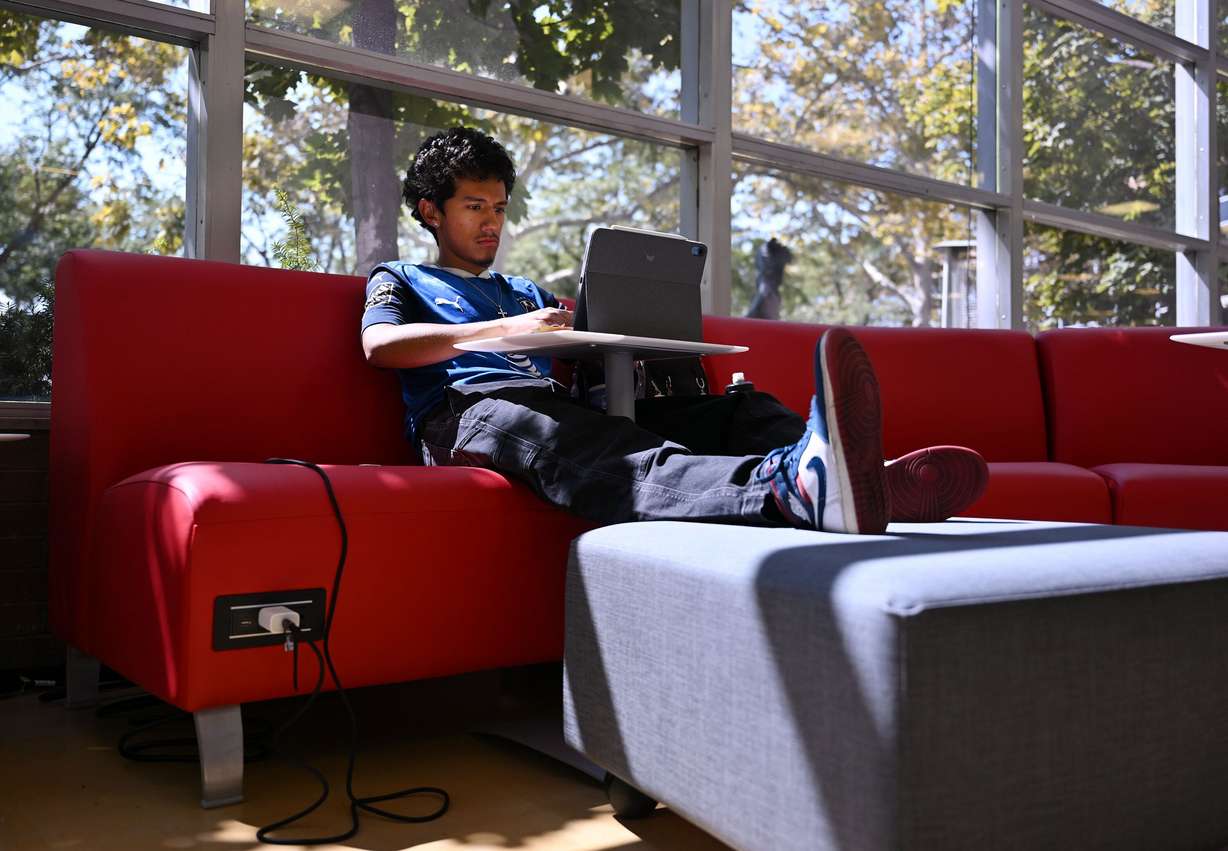
A study among Yale faculty in 2017 found that 75% were self-described as "liberal" or "very liberal," and 7% described themselves as having conservative leanings.
A 2022 study among Harvard professors yielded similar results. More than 80% of Harvard professors self-identified as "liberal" or "very liberal," while 1% said they were "conservative," and no one said they were "very conservative."
While conservative-leaning professors are a superminority at Harvard and Yale and a minority pretty much everywhere else, they are much more likely to report regular self-censoring out of concern for how their campus communities would react, per the Foundation for Individual Rights and Expression.
On a professor-to-professor level, 70% of conservative professors believe they face active discrimination because of their political beliefs, while 19% of liberal professors believe the same.
Diversity among staff and students has been a top priority across most of the country's major universities in all ways, it seems, except in ideology.
Bob Ridge, a professor in the Department of Psychology at Brigham Young University, told the Deseret News that university mission statements declare the need for inclusivity and diversity, but "political ideology is not one of the things that gets stated. It's not a protected class."
This ideological inequality in academia "makes it difficult to ask really important questions and have open inquiry."
"This is where it's supposed to be," he explained. "We're supposed to have academic freedom to pursue truth. We're about discovering truth. But you can't discover it if you're not allowed to ask legitimate questions."
Ridge continued, "In some ways, it makes me worry because I believe in higher education. I believe in university education. I believe in scholarship that pursues truth."
Down the road from self-censorship may be populist rage
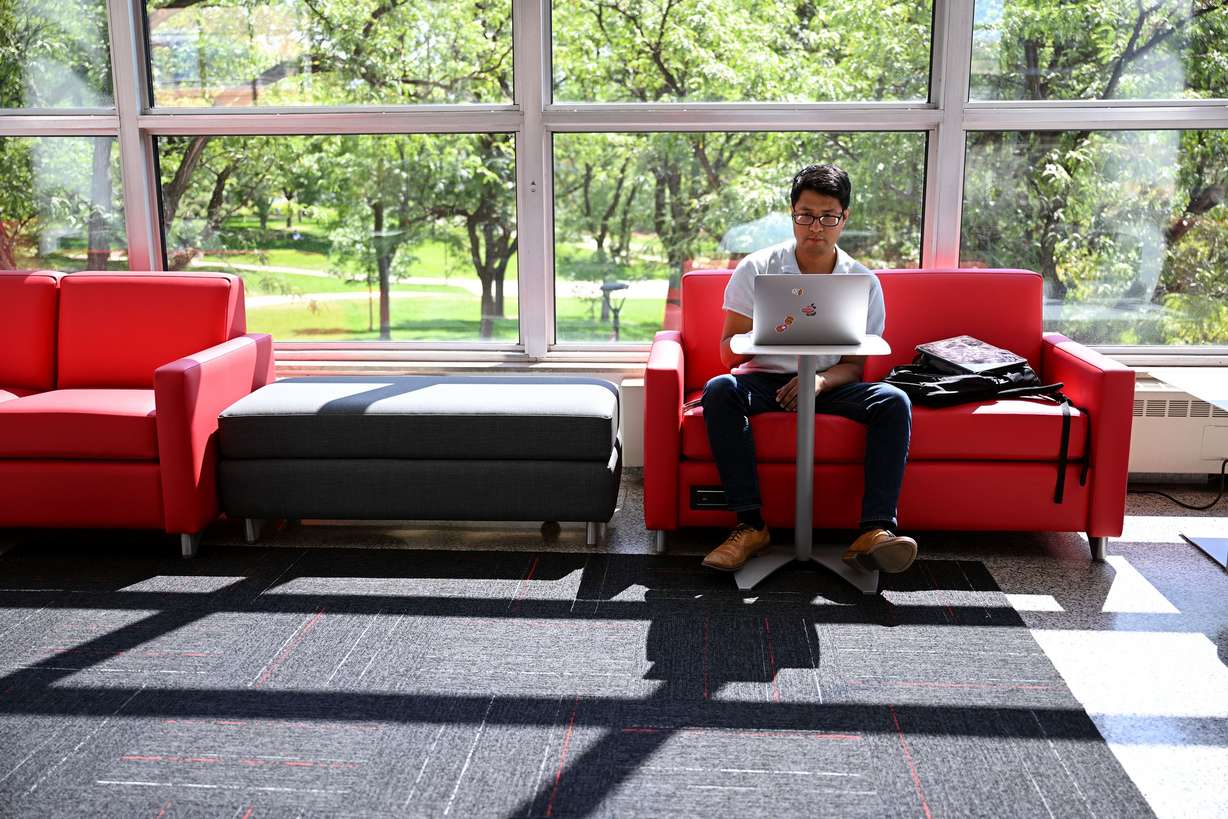
Confidence in higher education fell significantly between 2015 and 2023, and President Donald Trump's confrontational approach with universities has heightened the tension.
For example, the Department of Government Efficiency uncovered what they saw as "wasteful" research funded at the public's expense.
"I worry that a populist uprising might say we don't need these universities anymore," Ridge said. "It used to be that people respected universities. And in a lot of ways, we've lost a lot of public support and admiration because this stuff is becoming exposed."
Bennett referenced the importance of Thomas Jefferson's declaration "that all men are created equal," adding, "Yet we say, 'Well, we can improve on that.'"
"We're going to remediate all the wrongs of history by, 'We used to discriminate against you, and now we're going to discriminate for you, and that's all going to work out,'" he continued. "But of course, that builds enormous resentments on the parts of those who are not favored by race or gender or any of the other categories that people seek to apply these days" — including academically unfavorable political ideology.