'%3e%3cpath%20d='M34.1406%205.85938C30.3906%202.10547%2025.3047%200%2020%200C14.6953%200%209.60938%202.10547%205.85938%205.85938C2.10938%209.61328%200%2014.6953%200%2020C0%2025.3047%202.10547%2030.3906%205.85938%2034.1406C9.61328%2037.8906%2014.6953%2040%2020%2040C25.3047%2040%2030.3906%2037.8945%2034.1406%2034.1406C37.8906%2030.3906%2040%2025.3047%2040%2020C40%2014.6953%2037.8945%209.60938%2034.1406%205.85938ZM37.0117%2023.543H31.1602V13.5391H27.6328V19.9414C28.1211%2020.6914%2028.3711%2021.582%2028.3711%2022.5625V22.625C28.3711%2023.668%2028.1172%2024.6055%2027.6328%2025.4297V26.6094H36.082C33.4883%2032.9375%2027.2891%2037.3789%2020.0039%2037.3789C10.3711%2037.3789%202.62109%2029.6289%202.62109%2020C2.62109%2010.3711%2010.3711%202.62109%2020%202.62109C29.6289%202.62109%2037.3789%2010.3711%2037.3789%2020C37.3789%2021.1484%2037.2617%2022.2656%2037.0508%2023.3477C37.0391%2023.4141%2037.0234%2023.4766%2037.0117%2023.543Z'%20fill='white'/%3e%3cpath%20d='M22.3086%2018.5352C20.4336%2018.125%2019.9531%2017.8398%2019.9766%2017.1836V17.1406C19.9766%2016.6992%2020.3477%2016.2148%2021.4023%2016.2148C22.582%2016.2148%2023.8867%2016.6797%2025.0781%2017.4766L26.8516%2015.0195C25.4453%2013.8906%2023.707%2013.3398%2021.5547%2013.3398C18.5195%2013.3398%2016.4375%2015%2016.4063%2017.4766V17.5352C16.3633%2020.2617%2018.5859%2020.9805%2021.293%2021.6016C23.0391%2021.9766%2023.5703%2022.3164%2023.5703%2022.9609L23.5469%2022.9766C23.5469%2023.3906%2023.2578%2023.7031%2022.7852%2023.8359C22.5742%2023.9062%2022.1289%2023.9727%2021.5156%2023.9727C20.7617%2023.9727%2019.7539%2023.8633%2018.6328%2023.4844C18.0898%2023.2891%2017.4727%2023.0039%2016.8047%2022.6133L20.1406%2026.625C20.2813%2026.6602%2021.0977%2026.8516%2021.7734%2026.8516C25.0039%2026.8516%2027.0859%2025.2461%2027.1094%2022.6328V22.5703C27.1602%2020.1133%2025.2148%2019.1719%2022.3086%2018.5352Z'%20fill='white'/%3e%3cpath%20d='M5.24219%2013.5664V26.6133H8.75391V23.7578L10.2969%2021.9531L14.2031%2026.6133H18.3867L12.3555%2019.5195L17.4023%2013.5664H13.4531L8.75391%2019.0586V13.5664H5.24219Z'%20fill='white'/%3e%3c/g%3e%3cdefs%3e%3cclipPath%20id='clip0_97_2430'%3e%3crect%20width='40'%20height='40'%20fill='white'/%3e%3c/clipPath%3e%3c/defs%3e%3c/svg%3e)




This archived news story is available only for your personal, non-commercial use. Information in the story may be outdated or superseded by additional information. Reading or replaying the story in its archived form does not constitute a republication of the story.
- Bolivians in Utah, like Susy Lisi, will be paying attention to Sunday's presidential vote in the South American country.
- The U.S.-Bolivian dual national could vote, but she'd have to travel to the Bolivian Consulate in California, too far of a trip.
- She hopes an honorary Bolivian consul can be assigned to Utah to better serve the Bolivian community.
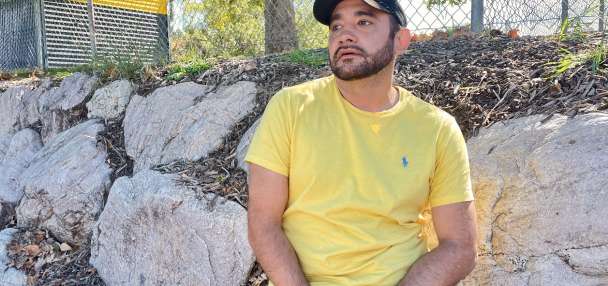
PROVO — As presidential elections in Bolivia loom, Susy Lisi says she and many others in Utah who come from the South American nation are paying close attention but disappointed they can't take part.
"All of us, we care about our country, and we want to do something for it," she said. "We are far away, but we are not absent. We care about our country."
Bolivians living abroad can actually vote in the contest, coming amid growing support for the political right as Sunday's vote nears, according to Reuters. But to cast ballots, the contingent in Utah would have to travel to Los Angeles, California, the site of the Bolivian Consulate that serves Utah, and that's just too far, says Lisi, a dual U.S.-Bolivian national now living in Provo.
Mexicans and Salvadorans in Utah and the rest of the United States were able to vote in their presidential contests last year. With a consular office in Salt Lake City, Salvadorans were able to vote in Utah or online if they had proper documentation, while Mexicans were able to vote electronically or in person at 20 locations across the country, though not Utah.
"They don't care about us, and our community is growing. Hopefully, by next year, we can do something about it, because that's not right. We want to vote; we want our country to be better," said Lisi, who's lived in the United States for 30 years.
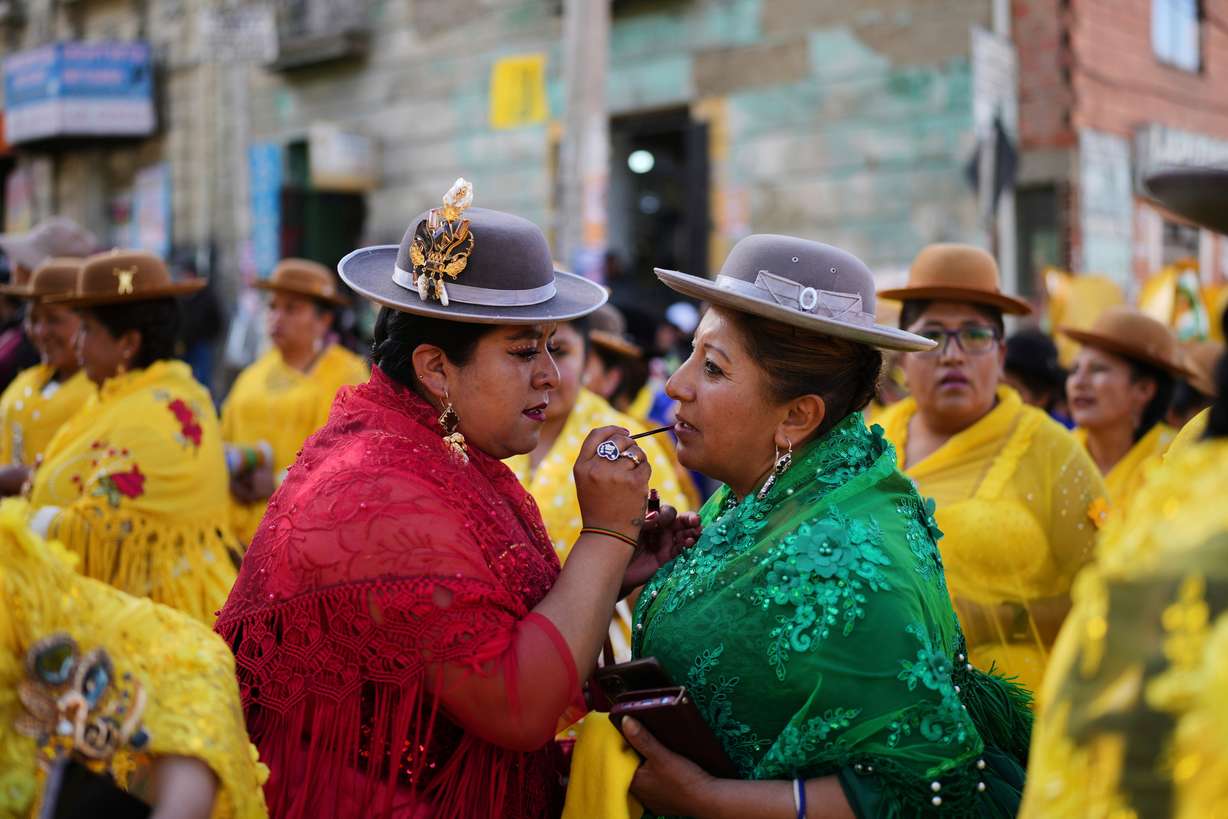
The Bolivian community in Utah numbers around 1,000, Lisi estimates, much smaller than the contingents from other Latin American countries like Mexico, Venezuela, Peru, Brazil and El Salvador. Lisi, though, says more and more people are leaving Bolivia, driven by the shaky political situation in the country, and coming to the state, contributing to Utah's growing Latino population, the key motor to growth in the state.
Indeed, even as immigration sits at the top of the U.S. political agenda, with many U.S. politicos pushing for stricter border controls, Bolivia's uncertain political situation, as Lisi describes it in the context of the presidential race there, is prodding a growing number of Bolivians to eye the United States.
The recent left-leaning leaders who have led Bolivia have persecuted critics, miring the country in crisis, said Lisi, who leads the nonprofit group El Chasqui Foundation. The group helps the homeless and others in need and promotes Bolivian culture.
"It's a moral crisis. It's a money crisis," Lisi said. "There's no money, there's no food, there's no gas. It's horrible. ... They're trying to be socialist. They're following the same example of Venezuela and Cuba. It's sad."
Read more:

Voces de Utah
Looking for more news from Utah's Latino community? Visit our Voces de Utah section for more stories, events and features.According to Reuters, two right-leaning hopefuls lead the crowded field of presidential contenders: Samuel Doria Medina and Jorge "Tuto" Quiroga, who Lisi backs. A second round of voting among the top finishers is set for Oct. 19 if no candidate wins over 50% of the vote on Sunday, or at least 40% with a 10-percentage point margin, according to The Guardian.
But even if the obstacles to voting in the presidential contest are too much for Lisi and other Bolivians abroad, she's hoping for change here in Utah that could more closely connect the expatriate community with the Bolivian government — the creation of a consular office in Utah.
Officials at the Bolivian Embassy "don't really take care of us, but hopefully, next year that's going to change," she said.
First, she and others plan to petition to get an honorary consul in Utah, a volunteer liaison to the Bolivian government who can help process requests for Bolivian passports and other documents. Ultimately, they'd like Bolivia to create a consular office in Utah, the same as Mexico, El Salvador and Peru.
In the meantime, Lisi will be watching what happens on Sunday.
"There are a few candidates that are good," she said, better than the current left-leaning government, anyway. "Yes, definitely, we are going to be watching."